















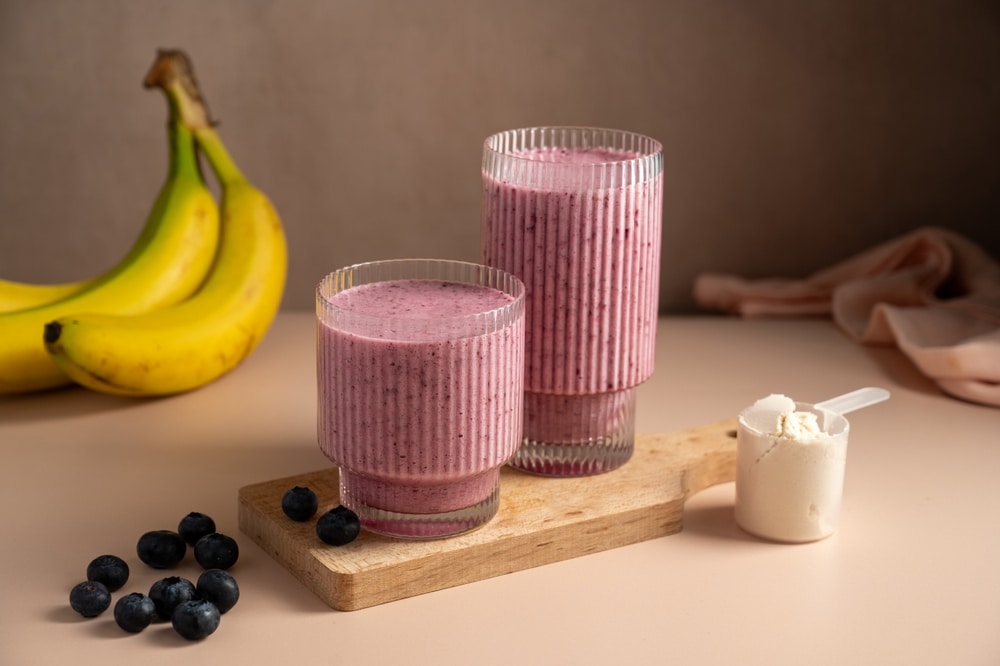
As temperatures rise and outdoor activities increase, the blender often becomes the most utilized tool in the kitchen. When prepared correctly, a nutrient-dense smoothie serves as more than just a refreshing beverage; it provides the essential vitamins and minerals needed for post-workout recovery or a high-energy start to the day. While these drinks are a staple for fitness enthusiasts, simple preparation errors can transform a health-conscious shake into a caloric burden. Mastering the art of the smoothie requires understanding the nuances of ingredient selection and macronutrient balance.
Determining the Ideal Calorie Count for Your Fitness Shakes
For those engaging in high-intensity training, consuming extra calories is often necessary. However, it is vital to monitor the energy density of your blended drinks. Ingredients like nut butters, multiple scoops of protein, and full-fat dairy can cause calorie counts to skyrocket unexpectedly. A critical factor to consider is that liquid calories typically offer less satiety than solid food, meaning a 500-calorie shake may not keep you full as long as a balanced meal of the same caloric value. To maintain a healthy weight, aim for a smoothie containing roughly 400 calories, though you may increase this slightly if the drink serves as a primary meal replacement or a recovery tool following an exhaustive training session.
Understanding Why Bananas Might Not Always Be the Perfect Base
Bananas are a ubiquitous smoothie ingredient due to their natural sweetness, creamy texture, and cost-effectiveness. Despite these benefits, they may interfere with the nutritional profile of certain blends. Research conducted at the University of California, Davis, indicates that combining bananas with flavanol-rich foods—such as blueberries, blackberries, or cocoa—can significantly inhibit the body’s ability to absorb these beneficial antioxidants. Flavanols are known to support cardiovascular health, making their absorption a priority for health-conscious individuals.
The issue stems from an enzyme in bananas called polyphenol oxidase (PPO). High levels of PPO can rapidly degrade flavanols before the body can process them. While bananas remain a healthy fruit, they may be better enjoyed on their own rather than in a berry-heavy smoothie. If you are looking to maximize antioxidant intake, consider using low-PPO fruits like pineapple, mango, or oranges as your creamy base instead.
Mastering the Macronutrient Balance for Optimal Nutrition
A truly functional smoothie should provide a balanced ratio of protein, carbohydrates, and healthy fats rather than leaning too heavily on a single group. Incorporating a variety of whole foods ensures sustained energy and muscle support. For complex carbohydrates, turn to ingredients like oats, leafy greens, or fresh fruit. To integrate healthy fats, consider adding hemp hearts, flax seeds, nut butters, or even a slice of avocado. Finally, secure your protein intake by using high-quality sources such as Greek yogurt, cottage cheese, ultra-filtered milk, or a clean protein powder. This trifecta of nutrients creates a more satisfying and metabolically supportive beverage.
Selecting High-Quality Protein Powders Without Harmful Additives
When choosing a protein supplement, it is essential to look beyond the protein content and examine the fine print. Many commercial powders contain emulsifiers and thickening agents, such as various gums, to improve texture and shelf stability. Emerging research suggests that high consumption of these additives may negatively impact the gut microbiome and potentially increase the risk of metabolic issues or chronic inflammation. While an occasional serving may not be detrimental, those who consume protein shakes daily alongside other processed foods should be cautious. To minimize exposure, seek out brands that prioritize minimal ingredient lists and avoid unnecessary fillers or emulsifiers.
Enhancing Post-Workout Rehydration With a Touch of Sodium
While excessive salt intake is generally discouraged, a small amount of sodium can be highly beneficial in a recovery setting. Adding a pinch of salt—approximately 1/8 of a teaspoon—to your post-training shake can facilitate better water retention and more efficient rehydration. Since sodium is a primary electrolyte lost through sweat, replacing it helps the body recover its fluid balance more effectively. If your smoothie already contains sodium-rich ingredients, such as cottage cheese, additional salt is likely unnecessary.
Nutritious Vegetable Additions to Boost Your Blender Drinks
Smoothies offer a convenient way to increase daily vegetable intake, particularly for those who struggle to eat enough greens. Vegetables like spinach, carrots, cooked beets, and even steamed cauliflower blend seamlessly into various recipes. Using frozen vegetables can even enhance the texture, providing a thicker, frostier consistency. Interestingly, blending raw spinach may actually increase the bioavailability of its antioxidants compared to eating the leaves whole. When combined with bold flavors like ginger, cocoa, or tart berries, the taste of the vegetables is easily masked, allowing you to enjoy the nutritional benefits without sacrificing flavor.
Preventing Hidden Sugars from Compromising Your Health Goals
It is easy for a smoothie to inadvertently become a high-sugar beverage if you aren’t careful with additions like honey, dates, fruit juices, or sweetened nut milks. To keep your drink within a healthy range, try to limit yourself to two sources of sugar per blend, focusing primarily on whole fruits. The natural sweetness of fruit is usually sufficient for most palates. Furthermore, always opt for unsweetened versions of yogurt and dairy alternatives to avoid the “sugar bomb” effect that can lead to energy crashes and unwanted weight gain.
Utilizing Kitchen Spices for Flavor and Antioxidant Support
Spices are an often-overlooked way to elevate the flavor profile of a smoothie while adding a significant boost of phytochemicals. Ingredients like cinnamon, ginger, cloves, and cardamom provide concentrated antioxidants and anti-inflammatory properties. These spices add depth and warmth to a drink without contributing extra calories or sugar, making them an excellent tool for any health-focused recipe.
The Ultimate Protein-Rich Berry Cheesecake Shake Recipe
This recipe provides a balanced mix of protein and healthy fats while offering a flavor profile reminiscent of a classic dessert. It utilizes cottage cheese for a creamy, cheesecake-like texture and a significant protein boost.
- 3/4 cup of your preferred milk (unsweetened)
- 3/4 cup cottage cheese
- 1 scoop vanilla or unflavored protein powder
- 1 tablespoon almond butter
- 1 teaspoon honey or maple syrup
- 1 teaspoon fresh lemon zest
- 1/4 teaspoon ginger powder
- 1/4 teaspoon almond extract (optional)
- 3/4 cup frozen berries (blueberries or blackberries work best)
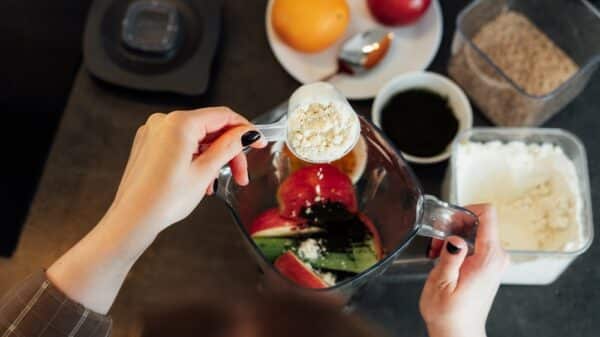
Add all ingredients into the blender in the order listed. Process on high speed until the mixture is completely smooth and creamy.
Final Takeaway
Building the perfect smoothie is a balance of science and culinary preference. By being mindful of calorie counts, avoiding the enzyme-rich combination of bananas and berries, and prioritizing whole-food ingredients over processed additives, you can ensure your daily shake truly supports your health and fitness objectives. Remember to focus on a balance of macronutrients and use spices and vegetables to maximize the nutritional density of every sip.