


















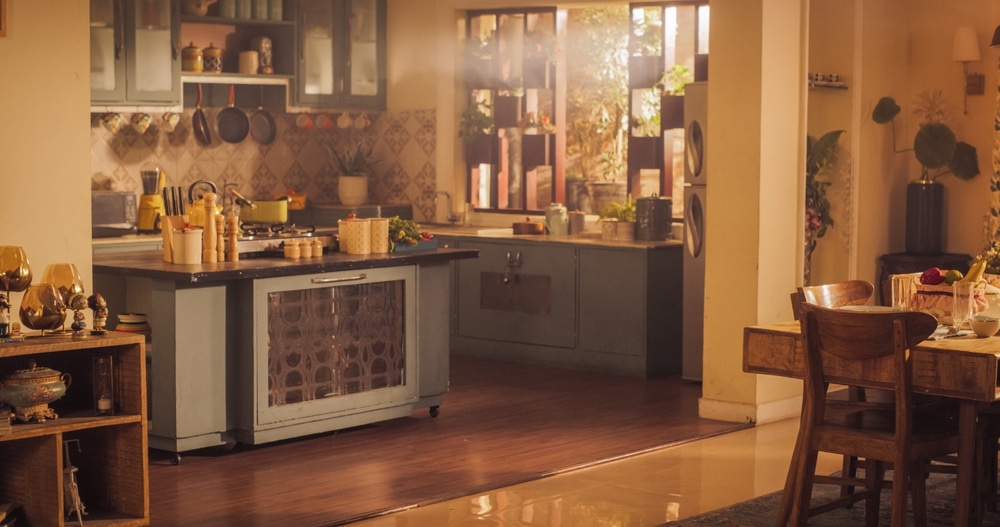
For decades, the standard for kitchen design was rooted in high-gloss efficiency. The trend favored sharp lines, industrial surfaces, and a minimalist aesthetic that felt highly functional but often lacked a sense of soul. Today, we are seeing a significant departure from this clinical approach with the emergence of the “soft kitchen.” This movement prioritizes comfort and hospitality, transforming the cooking area from a workstation into a natural extension of the home’s living quarters.
Defining the Soft Kitchen Philosophy
A soft kitchen is not defined by a single rigid style, such as rustic or modern. Instead, it is a design philosophy centered on creating an environment that feels approachable and warm. It moves away from the harsh contrasts and cold metals often found in contemporary kitchens, opting instead for elements that soothe the senses.
Key pillars of this approach include:
- Subtle, earth-inspired color palettes
- The use of tactile, organic materials
- Furniture and fixtures with rounded, flowing silhouettes
- A variety of layered textiles
- Ergonomic and cozy seating arrangements
- Curated decorative elements that reflect personal taste
The core objective is to dismantle the barriers between the utility of the kitchen and the relaxation of the lounge. As open-plan architecture continues to be a staple in home design, the soft kitchen ensures that the transition between where we cook and where we rest is seamless and harmonious.
The Evolution of the Kitchen as a Social Sanctuary
The popularity of this trend is a direct reflection of how the modern household functions. In many homes, the kitchen has moved beyond its original purpose as a place for food preparation to become the primary social hub. It is the setting for homework, morning coffee, and evening gatherings with friends.
After years of viewing home design through a lens of strict minimalism, many homeowners are craving spaces that foster emotional well-being. The soft kitchen trend answers this by creating a backdrop that feels lived-in and nurturing. It acknowledges that a room is most effective when it supports the physical and mental comfort of the people using it, rather than just looking impressive in a photograph.
Shifting Toward a More Inviting Color Palette
Color is perhaps the most immediate tool for softening a room’s energy. While stark white kitchens offer a clean look, they can sometimes feel sterile. Designers are increasingly turning to “new neutrals”—shades like warm taupe, mushroom, sage green, and soft terracottas.
These tones are grounded in nature and tend to have a calming effect on the occupant. For those who aren’t ready to replace their cabinetry, these softer tones can be introduced through wall paint, backsplashes, or even small appliances to temper the overall atmosphere of the room.
Incorporating Organic Elements and Tactile Surfaces
Natural materials are essential for breaking up the hard surfaces inherent to kitchen design. Incorporating timber through open shelving or butcher-block accents provides an immediate sense of warmth. Similarly, natural stone surfaces and woven elements, such as rattan light fixtures, add depth and visual interest.
Flooring plays a pivotal role in this transition. Moving away from cold tiles in favor of engineered wood, parquet, or high-quality wood-effect luxury vinyl tiles (LVT) can make the floor feel more like part of a living room. Carrying consistent flooring from the kitchen into the dining and living areas creates a cohesive flow that enhances the sense of space and tranquility.
In addition to materials, the “soft” kitchen embraces curvilinear design. Replacing sharp, 90-degree angles with rounded island corners, arched doorways, or circular dining tables makes the space feel more fluid and less formal. These shapes are naturally more inviting and help to improve the physical “traffic flow” of a busy household.
Borrowing Living Room Comfort Through Layered Textures
Standard kitchens are often dominated by surfaces that are easy to wipe but hard to the touch. The soft kitchen introduces “living room” textures to add sensory layers. This might involve using upholstered bar stools, fabric window dressings, or even natural fiber rugs in low-moisture areas.
Layering these materials does more than just add visual warmth; it also serves a functional purpose by improving acoustics. Fabrics and soft surfaces help to dampen the clatter of pots and pans, making the kitchen a much quieter and more peaceful environment for conversation. These small additions transform the room from a utilitarian zone into a place where people want to linger.
Cultivating Character with Open Displays and Personal Touches
The previous era of kitchen design was focused on hiding everything behind seamless, handle-less doors. The soft kitchen approach encourages the opposite: a curated display of daily life. By utilizing open shelving, homeowners can showcase heirloom ceramics, favorite cookbooks, or art pieces that mean something to them.
This shift from “hiding” to “styling” allows for a more authentic and personal space. It moves away from the pressure of perfection and instead celebrates a home that is actively used. Integrating vintage finds or unique accessories helps ensure the kitchen doesn’t look like a showroom, but rather a unique reflection of the family’s personality.
Determining the Long-Term Value of the Soft Kitchen Approach
Ultimately, the soft kitchen trend is about more than just aesthetics; it is a lifestyle choice that recognizes the kitchen as a multifunctional heart of the home. By prioritizing comfort alongside capability, you create a space that remains functional for cooking while being inviting enough for rest and connection.
The enduring appeal of this trend lies in its timelessness. Because it relies so heavily on natural materials, warm colors, and comfortable furniture—elements that rarely fall out of favor—a soft kitchen is often a safer long-term investment than more clinical, trend-heavy designs. It results in a kitchen that is not just a place to prepare meals, but a genuine sanctuary within the home.