


















For many people, exercise is just another item on their to-do list. Others, however, find genuine enjoyment in it, making fitness a priority. If you’re among those passionate about fitness, pursuing a career as a personal trainer can transform that enthusiasm into a fulfilling job.
Beyond simply loving fitness, personal training attracts those who want a career that promotes both their own well-being and that of their clients. This profession offers the flexibility to create your own schedule, the autonomy to tailor your approach, and the satisfaction of actively contributing to others’ health. Research indicates that elements like job satisfaction, work environment, and work-life balance significantly influence mental health and overall well-being, making them as crucial as diet and exercise.
Moreover, personal training is often regarded as a career less vulnerable to automation. Roles that necessitate human interaction and real-time decision-making—like personal training—are challenging to replace with technology, as demonstrated in various analyses of jobs least likely to be automated.
This combination of meaningful work, flexibility, and long-term relevance has led to an increasing interest in personal training careers. But it’s essential to realize that a genuine passion for fitness is just the starting point.
If you’re exploring a path to become a personal trainer, here are some critical recommendations from experts:
Understanding the Role of a Personal Trainer
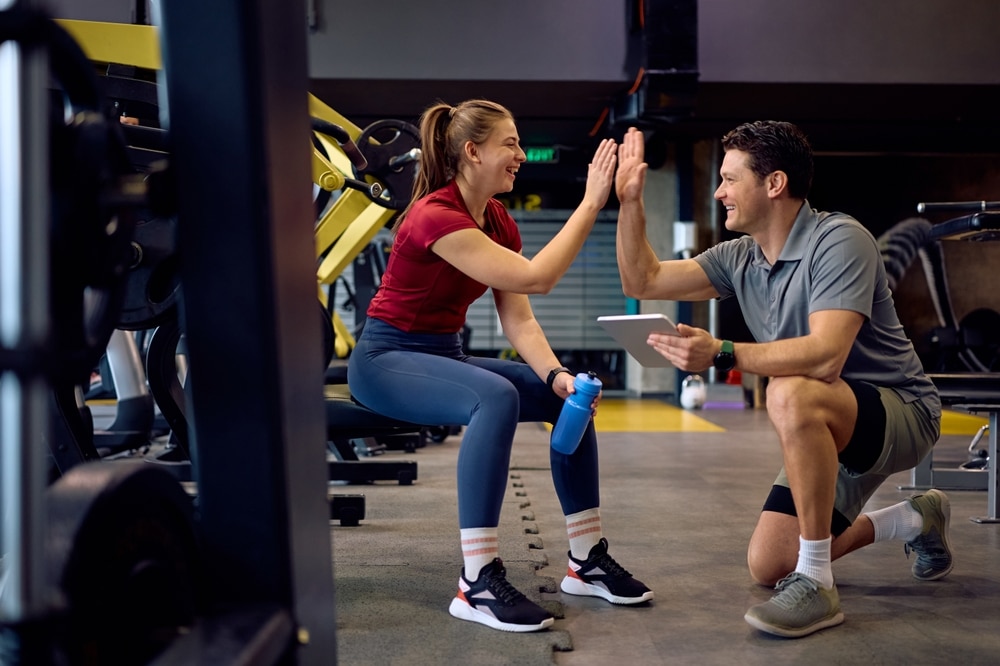
Personal trainers collaborate with individuals or small groups to enhance strength, fitness, and overall health. Key responsibilities for trainers frequently include:
- Creating personalized workout programs
- Teaching correct exercise techniques
- Monitoring progress and modifying plans
- Offering accountability and motivation
Additionally, many trainers provide general nutrition guidance and recovery advice, although in-depth nutritional coaching may require further credentials.
Step 1: Assess Your Fit for the Role
Before you commit to a certification program, take a moment to reflect on whether this role matches your strengths and interests.
Effective trainers tend to be:
- Clear communicators
- Patient and adaptable
- Self-driven
- Devoted to client progress
“Your coaching skills evolve as you guide clients,” explains Tyler Read, founder of PT Pioneer. “The best trainers comprehend how to meet clients where they are and direct them forward.”
Step 2: Obtain Your Certification
Most employers look for certification from accredited organizations. This endorsement indicates that you have grasped critical concepts of exercise science, client safety, and program design.
2.1 Select the Right Certification for You
Experts suggest determining the appropriate certification by applying one primary criterion.
Focus on Accreditation
Seek certifications accredited by the National Commission for Certifying Agencies, which is extensively regarded as the industry standard. Many gyms prefer or even mandate NCCA-accredited credentials.
Recognized NCCA-accredited certifications include options from organizations like NASM, ACE, NSCA, and IPTA. Selecting from this group enhances the likelihood that your certification will be acknowledged in various fitness settings.
Program Focus and Training Methods
Once you’ve confirmed accreditation, consider what each program emphasizes.
Some certifications focus more on:
- General fitness and diverse clientele, such as IPTA
- Corrective exercise and injury prevention, such as NASM
- Strength and conditioning for athletes, such as NSCA
Your choice should align with your aspirations. Trainers interested in the general populace might benefit from broad training, whereas those inclined toward rehabilitation or sports performance might prefer specialized programs.
Cost Considerations
While price is essential, experts recommend evaluating the long-term investment rather than just the initial cost.
Consider:
- Retake fees for exams
- Recertification costs, generally required every two years
- Continuing education obligations
- CPR and AED certifications
- Additional guarantees or support
Below is a simplified overview of various established certifications and their entry-level offerings:
- IPTA (International Personal Trainer Academy)
- Approximate entry-level price: $399–$699
- Notable features: Recognized as one of the more affordable NCCA-accredited options, with packages often including retake exams, the initial recertification cycle, and CPR/AED certification.
- NSCA (National Strength and Conditioning Association)
- Approximate entry-level price: $400–$600 (exam-focused)
- Notable features: Well-known for strength and conditioning, particularly benefiting athletic performance; often involves a more academic-focused certification process.
- ACE (American Council on Exercise)
- Approximate entry-level price: $600–$900
- Notable features: Nonprofit organization with a well-rounded fitness approach.
- NASM (National Academy of Sports Medicine)
- Approximate entry-level price: $700–$1,200
- Notable features: Highly recognized certification with an emphasis on corrective exercise and injury prevention.
- Costs may differ based on promotions and packages, so review what’s included rather than focusing solely on price.
Some programs include these features in their upfront cost, while others charge incrementally. A detailed review of total expenses can help you prepare for future costs.
Study Formats and Flexibility
Certification offerings vary widely based on the organization.
Available formats might include:
- Structured or in-person learning that may include live sessions
- Traditional textbook study methods
- Fully self-paced online classes
For instance, organizations like NSCA offer live preparation clinics for those preferring structured learning, while programs like IPTA cater to independent learners with fully online systems, enhancing speed to certification.
For individuals balancing multiple commitments, the flexibility of a program can be vital.
2.2 Complete Required Certifications
Most certification programs require that candidates hold current CPR and AED certifications prior to sitting for the exam.
Courses can often be found through organizations like the American Red Cross or the American Heart Association, many of which offer flexible online or combined format courses.
2.3 Prepare for the Certification Exam
Time for studying can vary widely, but most candidates find they need several weeks to a few months to prepare.
Useful resources include:
- Practice exams
- Study guides and textbooks
- Online learning resources
Many programs now have structured study systems crafted to enhance retention and readiness for exams.
2.4 Successfully Pass Your Exam
Upon successful completion of the exam, you will become a certified personal trainer poised to begin working with clients.
Step 3: Gain Practical Experience
Achieving certification is only the beginning. Gaining hands-on experience is crucial for building confidence and honing coaching abilities.
Common ways to kickstart your experience could include:
- Employment at a gym
- Training friends and family
- Shadowing seasoned trainers
You can discover job openings on platforms like Indeed or via major gym chains like Equinox and LA Fitness.
Step 4: Explore Specializations
As you accumulate experience, you might opt to specialize in a particular field, such as:
- Weight loss
- Strength training
- Injury prevention
- Fitness for seniors
- Sports performance
Specializations can help you stand out and attract specific client demographics.
Step 5: Develop Your Career
Personal training offers a variety of career avenues. You can choose to:
- Work full-time in a gym
- Train clients as an independent trainer
- Provide online coaching
- Combine training with content creation or educational roles
Over time, many trainers broaden their services to include nutrition coaching or pursue advanced certifications.
How Long to Become a Personal Trainer?
The timeframe to achieve certification can span just a few months. However, building experience and a dependable client base usually takes longer and varies individually.
Cost Considerations
Becoming certified can range from a few hundred dollars to over a thousand, based on the certification and included resources.
When evaluating options, factor in both initial costs and ongoing expenses, such as recertification and education.
Final Thoughts
Becoming a personal trainer is an accessible entry point into the health and fitness industry. With the right certification, practical experience, and a focus on helping others, you can create a career that is gratifying and flexible.
Identifying a certification that adheres to recognized standards while aligning with your goals, budget, and learning preferences is a pivotal first step. Subsequently, experience and ongoing education will guide your long-term success.
Prices and availability are accurate as of the time of publication and may change without prior notice. Always verify with the retailer’s website for the latest pricing details.
Sources:
Scientific Research Publishing (SCIRP): “Effect of Work‑Life Balance on Employees’ Well‑Being”