



















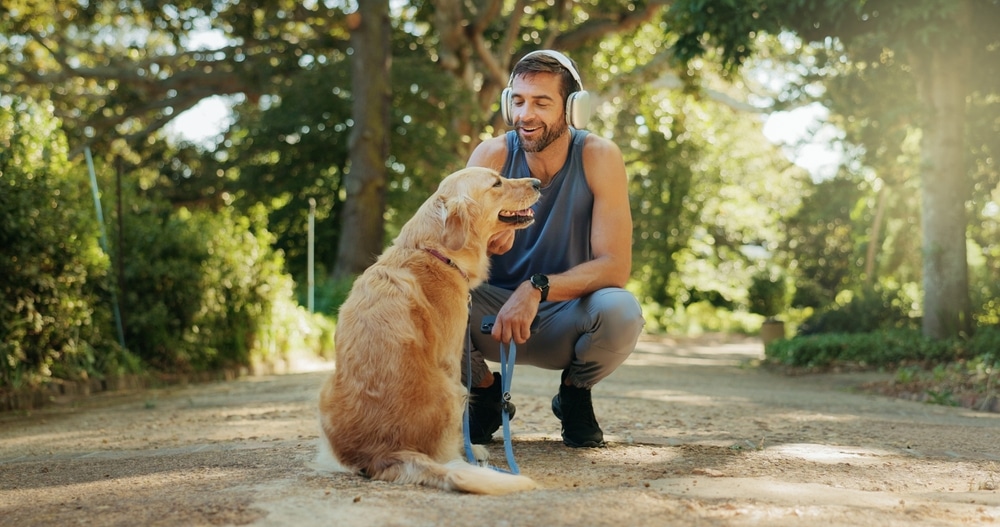
Integrating your dog into your fitness routine transforms a standard daily chore into a high-impact health activity. While routine walks are a staple of responsible pet ownership, elevating those outings into structured runs or vigorous workouts provides a unique set of physiological and emotional rewards. This shift in activity levels does more than burn calories; it fosters a deeper sense of companionship while significantly improving the long-term health of both the human and the animal.
The Benefits of Training with a Canine Accountability Partner
Consistency is often the most significant hurdle in any fitness journey. Maintaining motivation can be difficult when faced with a busy schedule or unappealing weather. Dogs, however, are naturally driven by routine and an innate need for physical stimulation. Their infectious enthusiasm serves as a powerful motivator, often providing the necessary push for owners to lace up their shoes and head outside, even when personal motivation is low.
Unlike human workout partners who might reschedule due to conflicting commitments, a dog is a reliable and ever-ready participant. This steadfastness helps owners establish a disciplined habit, making exercise a non-negotiable part of the day. Furthermore, many high-energy breeds require vigorous activity to stay calm and balanced at home. Utilizing that energy for a shared workout is an efficient way to meet their biological needs while simultaneously hitting your own fitness targets.
Physiological Health Gains for Owners and Their Pets
Engaging in shared aerobic activities like jogging or trail running can dramatically improve the physical condition of both the runner and the dog. Frequent cardiovascular exercise strengthens the heart, assists in weight management, and builds functional endurance that carries over into everyday life.
For the human participant, running with a dog offers several key health advantages:
- Enhanced cardiovascular efficiency and heart health.
- Increased metabolic rate and caloric burn.
- Improved muscular endurance and lower-body strength.
- Higher overall energy levels and physical stamina.
- A reduced likelihood of developing chronic lifestyle-related conditions.
Dogs experience parallel benefits. Consistent movement helps prevent canine obesity, keeps joints lubricated, and supports a healthy metabolism. Keeping a dog active throughout its life can lead to better mobility and a higher quality of life as they transition into their senior years.
Improving Mental Health and Lowering Stress Levels
The link between physical activity and mental clarity is well-documented. Exercise triggers the production of endorphins, which act as natural mood elevators. When you add the companionship of a dog to the mix, these psychological benefits are often heightened. The simple act of being outdoors and interacting with a pet can lower cortisol levels, reducing feelings of stress and anxiety.
The mental stimulation of a workout is equally important for the dog. Physical exertion provides a necessary outlet for their energy, which can significantly decrease boredom-related behaviors or destructive tendencies. A tired dog is generally a more relaxed and well-behaved companion, as the workout satisfies their instinctual need for exploration and movement.
Cultivating a Deeper Human-Animal Connection
Shared physical challenges can strengthen the bond between a dog and its owner. Training together requires a level of communication and synchronization that goes beyond a casual walk. As you move together, your dog learns to read your body language and follow cues, while you become more perceptive of your dog’s pace, breathing, and overall comfort.
This mutual focus builds a foundation of trust and teamwork. Over time, these exercise sessions become a cornerstone of your relationship, creating a shared language of movement that enhances the emotional connection you share with your pet.
Essential Safety Practices for Canine Fitness
Before transitioning from walking to running, it is vital to assess your dog’s readiness. Factors such as the animal’s age, breed, and current health status play a significant role in determining what type of exercise is appropriate. It is always wise to consult a professional if you are unsure of your pet’s physical limitations.
To ensure a safe and positive experience, consider the following guidelines:
- Progressive Loading – Just like humans, dogs need time to build up their stamina. Start with short distances and gradually increase the intensity.
- Hydration Priority – Ensure there is plenty of fresh water available for both of you, especially during humid or warm days.
- Mind the Terrain – Whenever possible, opt for softer surfaces like grass, dirt trails, or woodchips to minimize the impact on your dog’s paws and joints.
- Observe Physical Cues – Stay alert for signs of overexertion, such as excessive panting, lagging behind, or limping.
- Use Specialized Gear – Invest in a high-quality, ergonomic harness and a leash designed for running to ensure safety and comfort for both parties.
Summary: Embracing a Collaborative Path to Wellness
Transitioning to an active lifestyle with your dog provides a holistic approach to health that rewards both ends of the leash. By moving beyond the neighborhood walk and into more vigorous shared activities, you support cardiovascular resilience, enhance mental wellbeing, and solidify the unique bond you share with your companion. This collaborative approach to fitness makes reaching health goals more achievable and far more enjoyable. Ultimately, your dog is more than just a pet; they are a dedicated partner in your journey toward a more vibrant and active life.