




















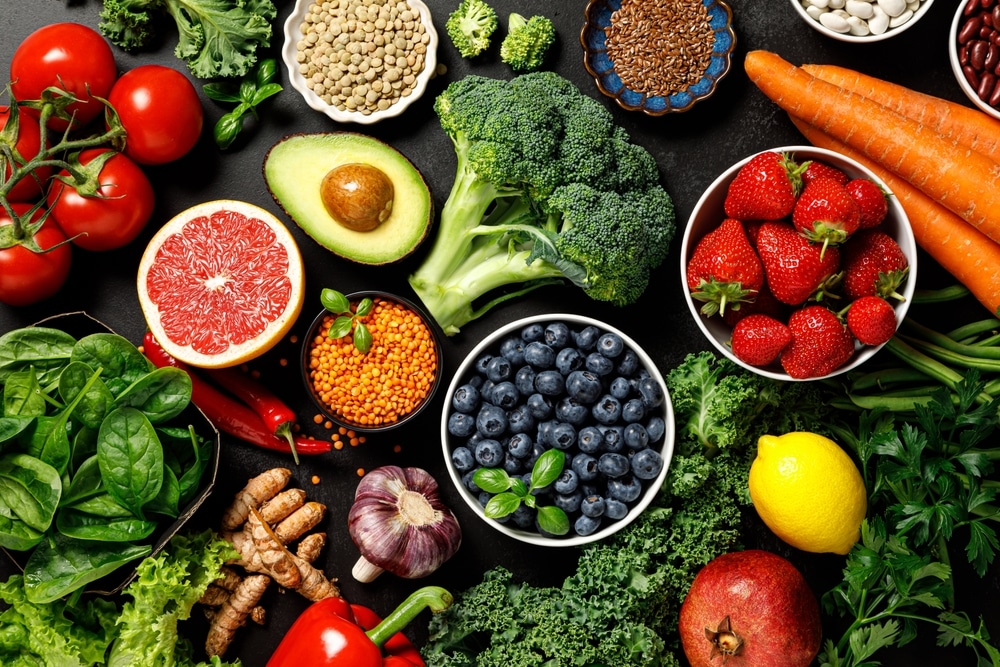
Navigating modern nutrition has become an increasingly complex task. Supermarket aisles are now filled with products boasting “gut-healthy,” “high-fiber,” or “zero-sugar” credentials. While these claims are often technically accurate, for individuals living with irritable bowel syndrome (IBS) or specific FODMAP sensitivities, many of these “health foods” can actually exacerbate symptoms. The issue isn’t necessarily that these ingredients are “bad” for the general population; rather, several common additives used to enhance functional foods, protein snacks, and fortified treats contain fermentable carbohydrates that trigger the exact digestive distress many consumers are trying to avoid.
Gaining clarity on which specific ingredients to monitor is a vital step toward better digestive health. Many who struggle with dietary restrictions have found success by incorporating enzyme-based strategies into their routine. For instance, those who utilize specialized enzymes like FODZYME often find they can enjoy a wider variety of foods that were previously considered triggers. While elimination diets are a traditional starting point, they are not always sufficient, especially when hidden fermentable carbohydrates are tucked away in seemingly “safe” packaged goods.
Why Inulin and Chicory Root Can Trigger Digestive Distress
Extracts from chicory root and its refined version, inulin, are among the most prevalent fiber additives in the modern food supply. These ingredients are frequently found in “clean-label” granola bars, flavored yogurts, meal replacement drinks, and certain artisan breads. Food manufacturers favor these fibers because they significantly boost the fiber count on the nutrition facts panel while improving the texture of low-fat or low-sugar items. On the surface, a snack bar offering 10 grams of fiber appears to be an excellent nutritional choice.
However, the complication lies in the fact that inulin is a fructan—a key member of the FODMAP family. Fructans are resistant to digestion in the small intestine and travel directly to the large intestine, where they are rapidly fermented by gut bacteria. For those with FODMAP sensitivities, this process leads to significant gas production, uncomfortable bloating, and disrupted bowel habits. Chicory-sourced fibers are particularly challenging because inulin is a long-chain fructan, which can be more aggressively fermented than shorter versions. In many sensitive individuals, even a small dose of just a few grams can be enough to trigger a flare-up.
One of the most frustrating aspects for consumers is that these ingredients are often featured in products specifically marketed for “digestive wellness.” Prebiotic-infused snacks and gut-health cereals frequently use chicory root as their primary fiber source. This creates a disconnect where the marketing promises health benefits that the actual ingredients may undermine for anyone following a low-FODMAP protocol.
Identifying Other Problematic Functional Fibers
While inulin is often the primary focus, it is not the only added fiber that can cause issues. A variety of functional fibers have become common in processed foods over the last decade, each presenting unique challenges for fermentation and gut tolerance.
Fructooligosaccharides (FOS) are short-chain fructans that function much like inulin. They are frequently added to supplements, infant formulas, and fortified yogurts. Similarly, galactooligosaccharides (GOS)—which are generally derived from lactose—fall into the galactan category of FODMAPs. Despite having recognized prebiotic benefits for the general population, GOS is often poorly tolerated by those with specific sensitivities, regardless of its potential to feed beneficial bacteria.
Other additives like pea fiber or wheat dextrin may be better tolerated by some, though individual reactions vary. Resistant starch is another popular addition that is generally considered lower-FODMAP, though its effect depends on the source and how it was processed. Ultimately, the generic term “fiber” on a food label does not provide enough information to determine FODMAP safety; each specific fiber source must be assessed individually.
The Hidden Impact of Sugar Alcohols and Polyols
Sugar alcohols represent a unique challenge in the realm of digestive health. They are staples in keto-friendly, diabetic-safe, and low-calorie products because they provide sweetness without a significant spike in blood sugar. While they succeed from a metabolic perspective, they can be highly problematic for the gastrointestinal tract.
In the context of FODMAPs, sugar alcohols are known as polyols. Common examples include sorbitol, mannitol, xylitol, and maltitol. These compounds are poorly absorbed as they move through the small intestine. Their presence draws excess water into the gut and eventually leads to fermentation in the colon, resulting in the same painful gas and bloating associated with other FODMAPs. Sorbitol is especially tricky because it occurs naturally in many healthy foods, such as stone fruits (peaches and cherries), apples, and pears.
The difficulty lies in how these sweeteners are integrated into health-conscious products. You may find maltitol in protein bars, sorbitol in sugar-free candies, or a combination of erythritol and inulin in low-carb ice creams. While erythritol is typically better tolerated and considered low-FODMAP in standard portions, it is frequently blended with other problematic polyols. Consumers must look at the total “polyol load” of a product rather than just the primary sweetener listed.
Decoding Marketing: Why ‘Natural’ Isn’t Always FODMAP-Friendly
The terminology used to market health foods often creates a false sense of security for those with sensitive digestive systems. Labels such as “organic,” “plant-based,” “whole food,” or “all-natural” describe how an ingredient was grown or processed, but they say nothing about how that ingredient ferments in the gut. For instance, inulin extracted from organic chicory root has the exact same fermentable properties as inulin from a conventional source. Likewise, sorbitol derived from fruit behaves identically to synthetic sorbitol in the digestive tract.
Plant-based protein alternatives are another common source of confusion. Legumes are a cornerstone of many plant-derived diets, yet they are naturally high in GOS and fructans. Even if a product made from lentils, chickpeas, or black beans is minimally processed, it can still carry a high FODMAP load. Furthermore, processing techniques designed to remove other compounds, like lectins, do not necessarily reduce the fermentable carbohydrate content.
Even vegetables that are usually safe can become problematic in concentrated forms. Cauliflower is now a popular substitute for flour in pizza crusts and crackers. While small servings of fresh cauliflower are low-FODMAP, the concentrated amounts found in these processed snacks often exceed the threshold for fructan tolerance. Similarly, garlic and onion powders—highly concentrated FODMAP sources—are used as primary seasonings in many savory “health” snacks, even when the label emphasizes “clean” ingredients.
Using Targeted Enzymes to Manage Dietary Triggers
Dietary restriction is the standard approach to managing FODMAP-related symptoms and is the most effective way to identify specific triggers. However, maintaining a strict elimination diet in the long term can be exceptionally difficult. Navigating social events, traveling, and dining out often become stressful, and long-term restriction can make achieving balanced nutrition a challenge. This has led to the rise of enzyme supplementation as a practical, supportive strategy.
The logic behind enzyme use is simple: if the body lacks the specific enzymes needed to break down certain carbohydrates in the small intestine, those carbs reach the colon and ferment. By providing the body with targeted enzymes at the start of a meal, it is possible to break down these FODMAPs before they have the chance to cause symptoms.
For example, alpha-galactosidase (the enzyme used in products like Beano) is effective at breaking down the galactans found in legumes. Lactase is widely used to manage the lactose component of FODMAPs, though tolerance levels vary greatly between individuals. More recently, fructan-specific enzymes have gained attention because fructans are among the most difficult FODMAPs to avoid in a modern diet.
While enzymes are not a universal cure-all, they offer a significant tool for those who have identified their triggers and seek more flexibility. It is generally recommended to undergo an elimination and reintroduction phase with a registered dietitian to understand personal sensitivities before relying on enzymes. When used correctly, they can provide a safety net for situations where hidden FODMAPs are likely present.
Practical Tips for Reading Food Labels with Sensitivity
The most effective way to manage hidden FODMAPs is to master the art of label reading. Paying close attention to two main categories—fibers and sweeteners—is essential for avoiding unintended symptoms.
When reviewing fiber content, look for terms like chicory root, chicory extract, inulin, agave inulin, FOS, fructooligosaccharides, GOS, and galactooligosaccharides. These are the most common FODMAP-heavy fibers. Conversely, ingredients like acacia fiber are typically well-tolerated, while research is still ongoing for others like soluble corn fiber and tapioca fiber.
Regarding sweeteners, be on the lookout for sorbitol (E420), mannitol (E421), xylitol (E967), maltitol (E965), and isomalt (E953). While erythritol (E968) is usually safe in moderation, be cautious if it is paired with other polyols, as the cumulative effect can reach a symptomatic threshold.
The order of ingredients also provides a clue to the potential FODMAP load, as ingredients are listed by weight. However, since FODMAP sensitivity is dose-dependent, even an ingredient listed toward the middle of the pack can cause issues if you consume multiple servings or combine several FODMAP-containing products throughout the day.
Summary of FODMAP Management in Modern Health Foods
Managing a low-FODMAP lifestyle is undeniably challenging in an era of complex functional foods. While the growth of the health food market has provided more options, it has also introduced a range of ingredients—like prebiotic fibers and sugar alcohols—that are problematic for those with digestive sensitivities. By learning to identify specific additives, understanding the limitations of marketing buzzwords, and utilizing targeted enzyme strategies, individuals can better navigate these hidden triggers. Empowering yourself with label-reading skills and a clear understanding of digestive mechanics is the best way to enjoy a nutritious diet without the risk of unwanted symptoms.