

















Cottage cheese is currently experiencing a significant cultural resurgence. No longer relegated to the back of the refrigerator as a dated diet food, it has become a favorite among fitness enthusiasts, TikTok creators, and health-conscious shoppers looking for an affordable, high-quality protein source. Its rise in popularity is driven by its impressive nutritional profile—high protein, low sugar, and relatively few calories—making it an ideal staple for those focused on muscle building or weight management, including individuals utilizing GLP-1 medications who require nutrient-dense, easy-to-digest options.
This “golden age of curds” highlights that cottage cheese is far more than a nostalgic snack. It is a versatile, budget-friendly “superfood” that supports long-term health goals. However, before stocking up on your next grocery run, it is helpful to understand the nuances of this dairy product, from how it is made to how to choose the best variety for your needs.
Understanding the Basics of Cottage Cheese
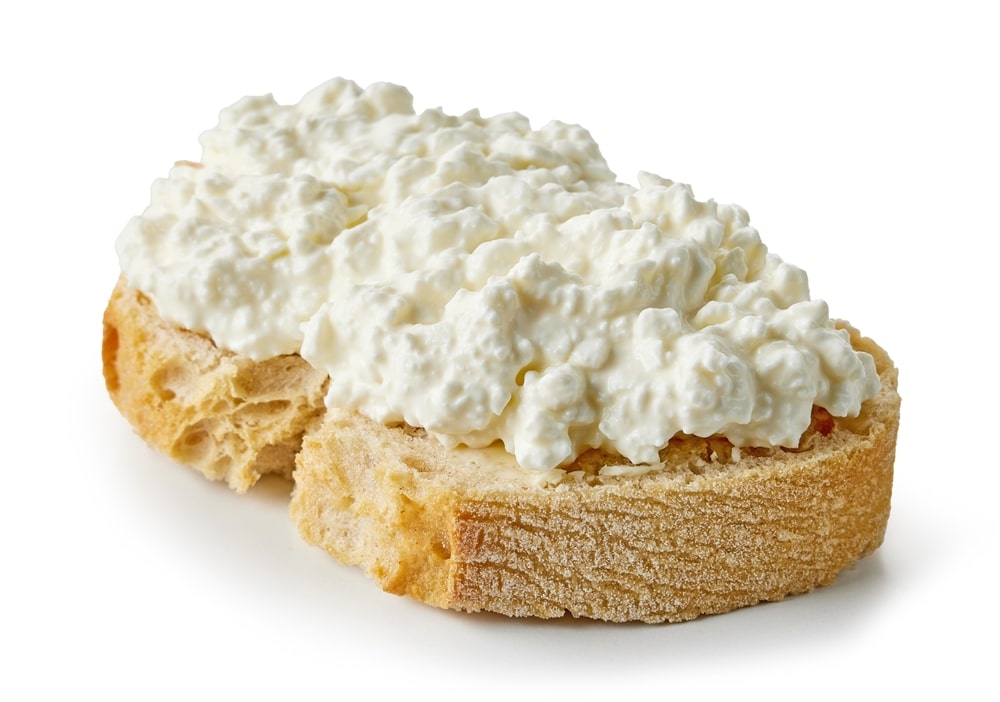
Unlike aged varieties like cheddar or parmesan, cottage cheese is classified as a fresh cheese because it does not undergo a ripening process. The production is relatively simple: an acid or an acid-producing culture is added to milk, causing the liquid whey to separate from the solid curds. These curds give the cheese its distinct, lumpy texture that has historically been a point of debate among consumers.
The size of the curds can vary depending on the manufacturer, with many brands now offering “small curd” versions for those who prefer a smoother, more consistent mouthfeel. In terms of flavor, cottage cheese is unique—it is mildly sweet, slightly tangy, and subtly salty. Because its flavor profile is relatively neutral, it acts as a culinary chameleon, blending seamlessly into both sweet and savory recipes without dominating the dish.
Navigating Store-Bought vs. Premium Brands
The dairy aisle now features a wide range of options, from budget-friendly store brands to premium, artisanal tubs like Good Culture. While higher-priced options often boast cleaner ingredient lists or superior flavor, you do not need to spend a fortune to reap the nutritional rewards. Mainstream brands from retailers like Aldi, Target, or Publix provide the same core benefits—such as high protein and calcium—at a fraction of the cost.
When selecting a brand, your primary considerations should be your personal taste preference and your food budget. If a specific texture or flavor profile doesn’t appeal to you, the nutritional value won’t matter because you won’t enjoy eating it. Experiment with different brands to find the one that fits your palate and your wallet.
The Role of Cottage Cheese in Muscle Recovery and Growth
Protein is the primary reason many people are returning to cottage cheese. With approximately 13 grams of protein per half-cup serving (at just 80–100 calories), it is a powerhouse for muscle maintenance. For context, this exceeds the protein density of plain Greek yogurt and provides more protein per calorie than whole eggs. This makes it an efficient tool for meeting daily protein targets without overconsuming calories.
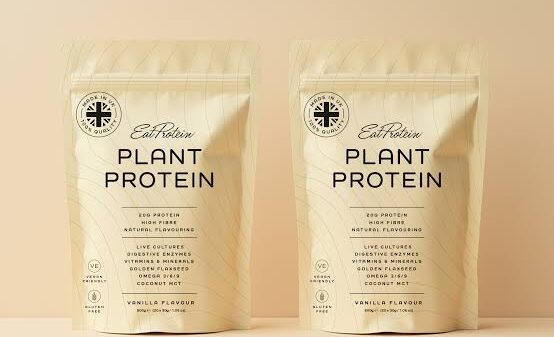
Beyond general intake, cottage cheese is a premier post-workout recovery food. Research indicates that as little as 9 grams of milk-based protein can effectively stimulate muscle protein synthesis following resistance training. Many athletes are now using it as a whole-food alternative to processed protein powders or bars, which often contain artificial sweeteners and fillers.
Furthermore, it is arguably the best evening snack for fitness-minded individuals. Cottage cheese is rich in casein, a slow-digesting protein that provides a sustained release of amino acids throughout the night. This steady supply helps facilitate muscle repair and growth while you sleep. Additionally, its high protein content promotes satiety, making it a “gold standard” for appetite control and weight management.
Key Factors to Consider When Shopping
Choosing the Right Fat Percentage
Cottage cheese is typically labeled by its milk fat content: 0% (fat-free), 1%, 2%, or 4%. A half-cup of fat-free cottage cheese contains about 80 calories, while the 4% “full-fat” version contains approximately 120 calories. While the calorie difference is modest, the flavor and satiety levels vary significantly. Some prefer the lower-calorie options for weight loss, while others find that the healthy fats in the 4% variety make the cheese much more satisfying and flavorful.
The impact of dairy fat on heart health remains a topic of scientific discussion. While some traditional views suggest limiting saturated fats, newer research suggests the “food matrix” of dairy—the way nutrients interact—may neutralize potential negative effects on cardiovascular health. If your overall diet is balanced, choosing a higher-fat version is a perfectly acceptable choice for flavor and fullness.
A Deep Dive into Essential Micronutrients
While protein is the headline, cottage cheese is a dense source of several vital micronutrients. It provides significant amounts of calcium and phosphorus, which are essential for maintaining bone density. It also contains potassium, selenium, and vitamin B12. Vitamin B12 is particularly important for nerve function, the production of red blood cells, and DNA synthesis. One thing to note is that unlike fluid milk, cottage cheese is rarely fortified with vitamin D, so you will need to source that nutrient elsewhere.
Does Your Cottage Cheese Support Gut Health?
Many consumers assume all dairy products contain probiotics, but this isn’t true for cottage cheese. Because fermentation isn’t a required step in its production, many standard brands do not contain live and active cultures. To get the gut-health benefits similar to yogurt or kefir, look specifically for labels that mention “live cultures” or “probiotics.” These fermented versions often have a more complex, tangy flavor that can enhance the eating experience.
Managing Lactose Sensitivity
Cottage cheese contains lactose, the natural sugar found in milk, which can cause digestive issues for those with sensitivities. While lactose-free versions exist, they can be harder to find. Interestingly, cultured or fermented cottage cheese often contains less lactose because the active bacteria help break down the sugars during the production process, making it a potentially more digestible option for some.
Monitoring Sodium Intake for Heart Health
One potential drawback is the sodium content. Salt is added to cottage cheese for both flavor and preservation, with some brands containing up to 400 milligrams per serving. For individuals with hypertension or sodium-sensitive conditions, this is an important factor to monitor. However, for active individuals, this extra sodium can actually help replenish electrolytes lost through sweat during intense exercise. Always check labels to find a brand that aligns with your specific health needs.
Identifying Common Food Additives and Emulsifiers
To achieve a certain thickness and shelf stability, some manufacturers add gums (like guar or locust bean gum) and carrageenan. Recent nutritional research has raised questions about whether excessive consumption of these emulsifiers might negatively affect the gut microbiome or contribute to inflammation. If you prefer a “whole food” approach, look for brands with minimal ingredients—ideally just milk, cream, and salt.
Watching for Hidden Added Sugars
While plain cottage cheese is naturally low in carbohydrates, flavored varieties (such as those with fruit on the bottom) often contain significant amounts of added sugar. To maintain the health benefits of this high-protein food, the best strategy is to buy plain cottage cheese and add your own fresh fruit, berries, or nuts. This allows you to control the sweetness while adding fiber and antioxidants.
Innovative Ways to Use Cottage Cheese in the Kitchen
While many enjoy it simply topped with fruit, the culinary potential of cottage cheese extends far beyond the bowl. Its mild flavor allows it to be used in a variety of creative, high-protein recipes.
Fruity Breakfast Tacos with a Protein Twist
This recipe offers a refreshing and protein-rich alternative to traditional breakfast options like cereal or toast.
Ingredients:
- 1 1/2 cups cottage cheese
- 1 tablespoon honey
- 2 tsp orange zest
- 1 teaspoon vanilla extract
- 1 cup blueberries
- 1 cup strawberries, halved
- 2 kiwi, peeled and chopped
- 1 banana, sliced
- 4 whole-grain tortillas (6-inch)
- 1 cup granola
Directions:
- In a small bowl, combine the cottage cheese, honey, orange zest, and vanilla. In a separate bowl, mix the prepared fruit.
- Spread the cottage cheese mixture onto each tortilla, top with the fruit salad and a sprinkle of granola. Serve as tacos or rolled burritos.
Nutrient-Dense Cottage Cheese Egg Bites
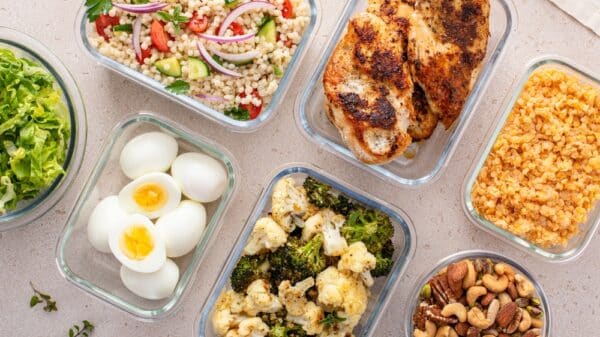
These crustless quiches are perfect for meal prepping and provide a double dose of protein from eggs and dairy.
Ingredients:
- 1 1/2 cups cottage cheese
- 8 large eggs
- 3/4 cup shredded mozzarella
- 1 tablespoon cornstarch
- 1 teaspoon dried thyme
- 1/2 teaspoon salt and 1/4 teaspoon black pepper
- 1 red bell pepper, finely chopped
- 2 cups fresh spinach, chopped
Directions:
- Preheat your oven to 325ºF and grease a muffin tin thoroughly.
- Use a blender to combine cottage cheese, eggs, mozzarella, cornstarch, and seasonings until the mixture is smooth. Pour into a bowl and fold in the peppers and spinach.
- Distribute the mixture into the muffin cups. Place a tray of hot water on the bottom oven rack to create steam. Bake the egg bites on the middle rack for 20–25 minutes until set. Let cool slightly before removing from the tin.
Decadent and Healthy High-Protein Chocolate Mousse
Blending cottage cheese removes the curds, resulting in a silky texture perfect for a protein-packed dessert.
Ingredients:
- 4 ounces dark chocolate, chopped
- 1 1/2 cups full-fat (4%) cottage cheese
- 3 tablespoons maple syrup
- 1/2 teaspoon cinnamon
- 2 tablespoons water
Directions:
- Melt the dark chocolate in the microwave in 30-second increments, stirring until smooth. Allow it to cool for a few minutes.
- In a blender, process the cottage cheese, maple syrup, cinnamon, and water until completely smooth.
- With the blender on a low setting, slowly pour in the melted chocolate. Transfer the mixture to a container and refrigerate for at least 2 hours to allow the mousse to set and thicken.
The Bottom Line on Cottage Cheese
Cottage cheese has rightfully earned its place as a modern nutritional powerhouse. Whether you are looking for a slow-digesting protein source to support muscle growth, a satisfying snack for weight management, or a versatile ingredient for healthy recipes, this dairy staple delivers. By paying attention to fat content, sodium levels, and additives, you can choose the version that best supports your health goals. From savory egg bites to creamy chocolate mousse, cottage cheese is a functional, affordable, and nutrient-dense addition to any balanced diet.