















Key Takeaways
Both cold showers and plunges provide remarkable health benefits that can enhance your overall well-being. Cold showers are generally more accessible, suitable for most individuals, and can easily fit into any routine, whereas cold plunges deliver intense benefits primarily for inflammation and recovery but require more caution, especially for those with heart or blood pressure concerns.
Cold water immersion, whether through showers or plunges, has gained popularity in the wellness community. Both methods support improvements in mood, inflammation reduction, and enhanced recovery.
Cold Showers vs. Plunges: How Do They Compare?
A cold shower offers a simple way to engage in cold water therapy from the comfort of your home by adjusting the temperature to its coldest setting, promoting gradual acclimatization to cooler water.
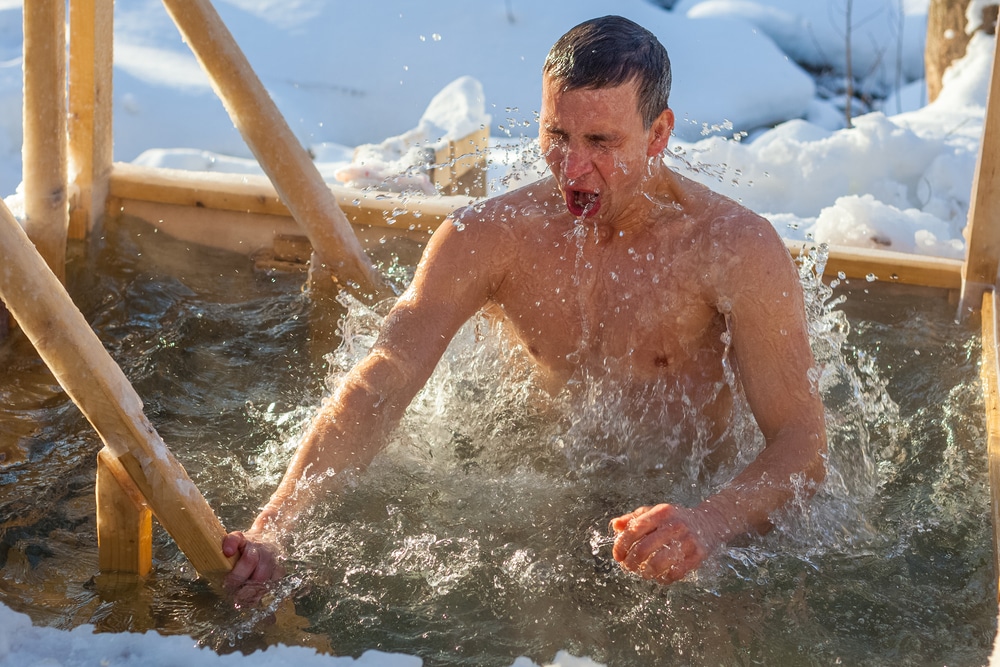
In contrast, cold plunges require full immersion in much colder water, making the experience significantly more intense.
Choosing between a cold shower and a cold plunge depends on your personal goals, comfort level, and available resources. Regardless of the choice, both options can deliver a refreshing boost and substantial health benefits.
Cold Showers
These are more accessible and less intense than plunges.
Water flows over your body, helping maintain your core temperature.
You can easily adjust the temperature and duration to your liking.
Possible benefits: boosted mood, improved alertness, and enhanced immune response.
Cold Plunges
Less convenient, often needing space outside your home.
Involves complete immersion, leading to more pronounced effects.
Requires careful control of water temperature and safety precautions.
More effective for reducing inflammation and aiding recovery after intense workouts.
Health Benefits of Cold Showers
Research indicates that cold showers can positively affect mood, alertness, and immune support, with further studies needed to solidify these effects. Cold showers might yield several benefits:
- Boosted immune defense: Cold showers can lead to fewer sick days due to illness.
- Increased calorie burn: Exposure may enhance metabolic processes that support calorie burning and heat generation.
- Enhanced mood and energy: Even brief moments of cold exposure can elevate mood significantly.
- Gradual acclimatization: Best for mental resilience and building tolerance to cold without routing recovery.
Health Benefits of Cold Plunges
Commonly known as ice baths, cold plunges are widely used in sports and rehabilitation settings. Benefits associated with cold plunges include:
- Faster exercise recovery: They can significantly minimize muscle soreness after intense physical activity.
- Reducing inflammation: Cold plunges may aid in decreasing inflammation, especially during sessions lasting 10-15 minutes.
- Mood enhancement: Along with physical recovery, these sessions can help uplift mood and alleviate stress.
How Cold Water Exposure Works
Immersion in cold water triggers your body’s natural “fight or flight” response. Blood vessels constrict to maintain core temperature, while increased heart rate and breathing create an immediate surge of alertness upon contact with cold water.
As your body becomes acclimatized, improvements in circulation may occur, potentially leading to slight metabolic boosts that generate warmth, as well as the release of neurotransmitters that enhance mood and focus.
The variability of these effects depends on three main factors:
- Water temperature
- Duration of exposure
- Frequency of use
These factors clearly distinguish a cold shower from a cold plunge.
How to Safely Practice Cold Water Exposure
Cold exposure may not be suitable for everyone. Individuals with heart disease or high blood pressure should consult a healthcare professional beforehand.
Regimens involving sudden cold exposure can trigger a shock response, leading to safety concerns.
Here are some steps to acclimatize before fully immersing yourself in cold water:
- Finish your shower with cold water to gauge your reaction.
- If considering a cold plunge, begin gradually, starting with shorter durations in milder temperatures.
- Warming up slowly after exposure is crucial; avoid jumping into hot water immediately.