



















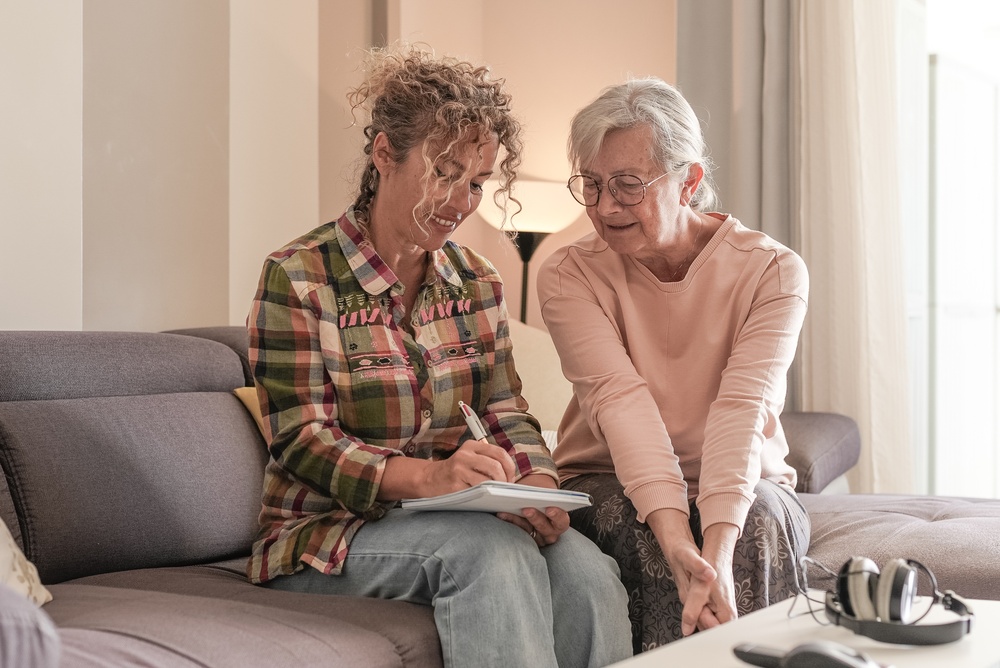
As our parents grow older, the family dynamic often undergoes a significant shift, with adult children taking on more responsibility for their well-being. This transition requires careful thought regarding how to balance their increasing needs with your own lifestyle and whether a shared living arrangement is the right path forward. When parents begin to face physical or cognitive challenges, proactive planning becomes essential to ensure they receive the dignity and support they deserve.
Assessing the Best Living Arrangements for Aging Parents
One of the first major considerations is where your loved one will reside. There are several paths to choose from, each offering distinct advantages depending on their health status. Maintaining their current home allows for a sense of independence and comfort in a familiar environment. However, if symptoms of cognitive decline or memory-related conditions like dementia emerge, transitioning them into your own home can provide a safer, more supervised setting. Alternatively, professional residential facilities offer the benefit of a social community where they can interact with peers while receiving round-the-clock support.
Ensuring Physical Comfort and Home Environment Safety
As mobility and health change, daily tasks can become more difficult for seniors to manage independently. It is vital to monitor whether your elderly relatives are maintaining proper nutrition, hygiene, and physical comfort. Older adults are often more susceptible to the cold, making it crucial to ensure their living space remains adequately heated. Whether you are checking their thermostat regularly, providing supplemental heating options, or helping them access financial assistance programs designed to manage energy costs, keeping them warm is a fundamental part of preventative health care.
The Importance of Consistent Social Interaction
Maintaining a regular visitation schedule is one of the most impactful ways to support an elderly relative. Loneliness can be a silent challenge for those living alone, and a simple visit can drastically improve their mental outlook. Aiming for consistent check-ins—such as several times during the work week and a dedicated day on the weekend—provides the human connection necessary to stimulate the mind. This social engagement is more than just a kindness; it is a vital tool in slowing the progression of cognitive decline. Reliability is key, as elderly family members often look forward to these interactions as the highlight of their day.
Evaluating the Need for Professional Caregiving Services
At some point, you may need to determine if your relative requires specialized medical or personal care that goes beyond what a family member can provide. This might involve hiring home health aides to assist with daily living or considering a move to a dedicated care facility equipped with professional staff. Making this choice is often emotionally taxing and can lead to feelings of guilt. It is important to remember that seeking professional help is not a sign of failure; rather, it is a responsible step to ensure your loved one receives the expert level of attention required for their specific health needs.
Caring for aging relatives is a complex journey that demands patience and empathy. While the responsibilities can be demanding, your presence and advocacy are the most valuable gifts you can offer. By focusing on their comfort, safety, and social needs, you are ensuring they feel supported and valued during this chapter of their lives. Ultimately, doing your best to navigate these choices with love and diligence is what matters most for their long-term well-being.