


















Key Takeaways
- Turmeric and its primary component, curcumin, are known for their ability to reduce inflammation and alleviate pain.
- They also have potential benefits for brain health and mood by improving memory and decreasing symptoms of depression.
- Additionally, turmeric may support heart health by aiding in the management of body weight, blood sugar levels, and cholesterol.
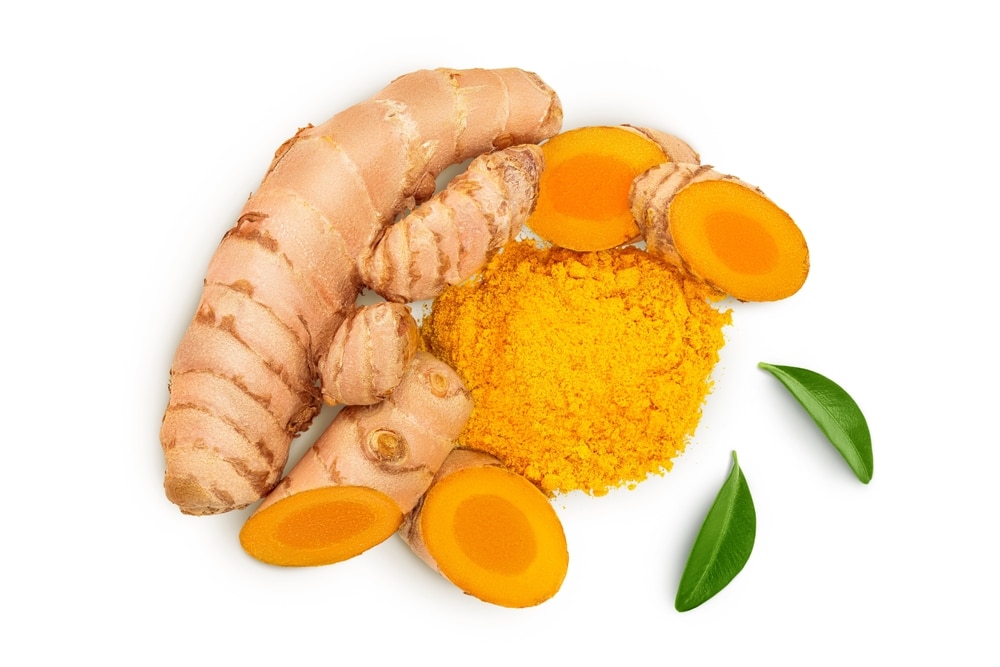
- Turmeric is a vibrant yellow spice celebrated for its unique antioxidant and anti-inflammatory properties. It helps in managing pain, enhancing brain health, and promoting heart function. The compound curcumin, found in turmeric, is believed to be largely responsible for many health advantages associated with this spice.
1. Antioxidants Can Be Beneficial
Oxidative stress may lead to inflammation, setting the stage for various health issues.
Research indicates that the antioxidant and anti-inflammatory properties of turmeric and curcumin may help decrease oxidation and inflammation.
2. Experience Relief from Arthritis Pain
Scientific studies suggest curcumin’s anti-inflammatory properties could play a role in alleviating inflammation and relieving arthritis-related pain, swelling, and joint deterioration.
A 2021 review of research highlighted that curcumin offered comparable relief for joint pain as traditional nonsteroidal anti-inflammatory drugs (NSAIDs) for individuals dealing with rheumatoid arthritis and osteoarthritis.
Additionally, a study demonstrated that turmeric extract could effectively diminish inflammation and discomfort in knee osteoarthritis, reducing the need for NSAIDs and enhancing overall function.
However, further high-quality research is essential to verify these findings.
3. Enhancements in Memory and Mood
Curcumin has promising implications for cognitive health and brain functionality.
Thanks to its antioxidant and anti-inflammatory characteristics, turmeric may combat the impact of free radicals, which are often associated with cognitive decline, mood disorders, and age-related brain problems such as Alzheimer’s.
Several clinical studies examining curcumin have reported potential benefits for brain function.
Nevertheless, further investigation is required to confirm these observations.
4. Support for Heart Health
Heart disease continues to be the foremost cause of mortality in the United States.
Maintaining a healthy lifestyle through balanced nutrition and regular physical activity is crucial for heart wellness.
Curcumin could also contribute to better heart health and improved circulation.
Research indicates that curcumin may assist in managing several cardiovascular risk factors, such as:
Findings reveal that curcumin slightly lowers various metabolic and cardiovascular risk factors, including:
– Body weight
– Blood sugar
– C-reactive protein
– Cholesterol levels
– Triglycerides
More research is needed to solidify these claims.
5. Possible Regulation of Blood Sugar Levels
Curcumin may aid in blood sugar management and support those with type 2 diabetes. Research shows it can enhance insulin sensitivity, glucose metabolism, and cholesterol levels.
Moreover, curcumin helps in mitigating inflammation and oxidative stress, significant contributors to insulin resistance and metabolic disorders.
While curcumin demonstrates promise, effective management of type 2 diabetes depends upon:
– Consuming more fiber, high-quality protein, and anti-inflammatory foods.
– Increasing physical activity.
– Reducing stress levels.
To receive tailored advice, consider consulting a registered dietitian nutritionist (RD or RDN) who specializes in diabetes care (CDCES).
Additional Potential Benefits of Turmeric and Curcumin
Studies have looked into turmeric and curcumin’s effects on a variety of conditions, with inconsistent results:
– Skin health
– Autoimmune diseases (such as psoriasis, ulcerative colitis, rheumatoid arthritis, lupus, among others)
– Liver disease
– Endometriosis
– Athletic performance
– Polycystic ovary syndrome (PCOS)
– Cancer therapies (including breast, prostate, and colon cancers)
While the findings are encouraging, further research is required to validate turmeric or curcumin’s efficacy for these conditions.
Nutritional Breakdown of Turmeric
| Nutrient | Amount | Percent Daily Value |
|—————–|————|———————|
| Calories | 9 | |
| Protein | 0.3 g | |
| Fat | 0.1 g | |
| Carbohydrates | 2 g | |
| Fiber | 0.7 g | ~3% |
| Calcium | 5 mg | |
| Iron | 1.7 mg | ~9% |
| Potassium | 63 mg | ~1% |
| Phosphorus | 9 mg | |
| Magnesium | 6.24 mg | ~1.6% |
| Manganese | 0.6 mg | ~26% |
| Choline | 1.5 mg | |
| Vitamin K | 0.4 mcg | |
Recommended Dosage for Turmeric and Curcumin
Clinical research has employed 500 mg to 1.5 g of turmeric or turmeric extract daily for three to six months.
Clinical trials involving curcumin have generally used 300 mg daily or higher (up to 4,000–8,000 mg daily) for short-term use</strong), demonstrating adequate tolerance and safety.
Always seek advice from your healthcare provider when considering turmeric or curcumin, especially if contemplating high doses or using alongside other medications. To avoid potential adverse effects, adhere to recommended dosages on the label.
Safety Considerations for Turmeric and Curcumin
Although the FDA deems turmeric as “generally recognized as safe” (GRAS) for food usage, it’s important to note the safety considerations associated with both turmeric and curcumin:
- Allergic Reactions: Individuals allergic to turmeric or its components should avoid it entirely. Immediate medical assistance is necessary if severe allergic reactions occur, such as itching, hives, or shortness of breath.
- Pregnancy and Breastfeeding: High doses of turmeric and curcumin are best avoided during pregnancy and while breastfeeding, given limited safety data regarding its effects on both the developing fetus and nursing infant.
- Heavy Metal Contamination: There have been reports of turmeric being contaminated with harmful heavy metals (e.g., lead, arsenic, cadmium, nickel). This issue warrants caution particularly for pregnant women, nursing mothers, children, and those with certain health conditions.
- Liver Concerns: Instances of liver toxicity have been documented following high-dose turmeric supplement use.
- Potential Side Effects: Turmeric and curcumin are generally well-received but some individuals may suffer side effects, including nausea, diarrhea, headaches, or yellow stool.
- Interactions with Medications: Turmeric and curcumin may influence certain medications, including blood thinners, diabetes treatments, blood pressure medications, cancer therapies, and antidepressants.
In the U.S., dietary supplements are not subject to the same regulatory standards as prescription medications. Consequently, some products may lack the ingredients listed on their labels. When selecting a supplement, check for testing or certification from independent organizations like NSF, U.S. Pharmacopeia, or ConsumerLab.com.
Consult your healthcare provider, RD or RDN, or pharmacist for personalized recommendations.