



















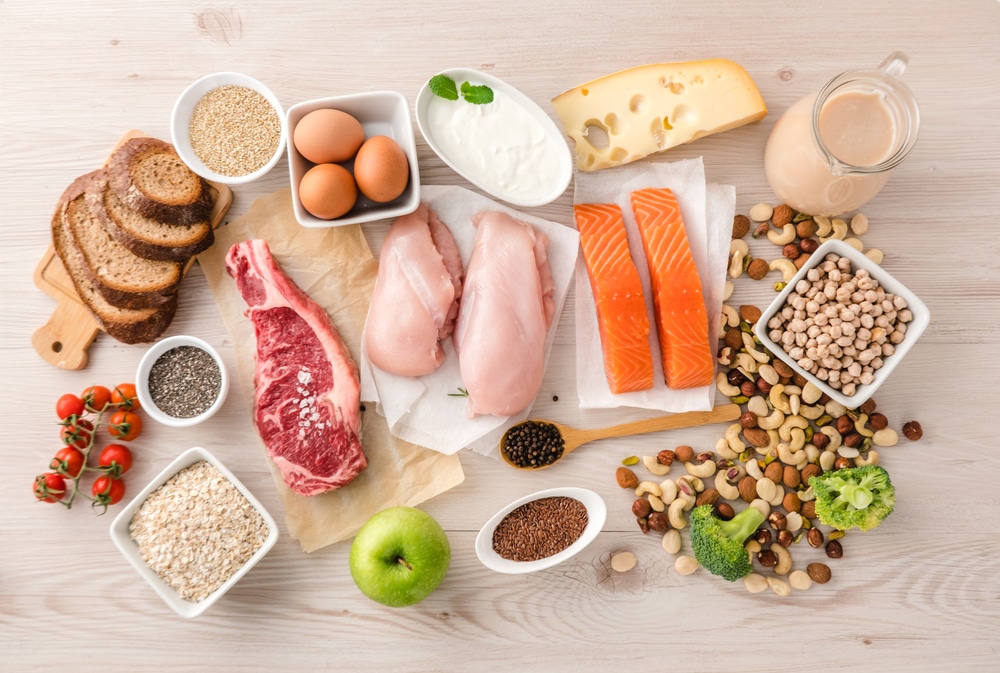
Protein plays an essential role in keeping you satisfied for longer periods while supporting the muscles that enable everyday movement. Despite this, daily meals often lean heavily toward carbohydrates, leaving protein as an afterthought. Implementing a few minor adjustments can make achieving a healthy intake much simpler without requiring a complete kitchen overhaul.
Begin Your Morning Right
Breakfast frequently contains the lowest amount of protein during the day. Replacing a sugary breakfast cereal with eggs on toast, Greek yogurt paired with fruit and seeds, or porridge prepared with milk creates a noticeable difference. Incorporating a spoonful of nut butter further increases both the flavor and the protein content.
Choosing Better Snacks
Simple options like cottage cheese with fruit, a hard-boiled egg, hummus paired with vegetable sticks, edamame beans, or a small portion of nuts offer straightforward sources of protein. Having these options readily available helps combat cravings for less filling alternatives when hunger arises.
How Supplements Can Assist
During exceptionally busy periods, a protein shake or a measured scoop mixed into food can help bridge nutritional gaps. A high-quality powder serves as a practical top-up rather than a substitute for proper meals, proving particularly useful after exercise when a full meal is still hours away.
Easy Ways to Use Protein Powder
Stir a scoop into warm porridge after it has cooled slightly to prevent clumping. Alternatively, blend it with a banana, milk, and a handful of spinach for a rapid smoothie. It can also be mixed into pancake batter for a weekend breakfast or whisked directly into Greek yogurt to create a thicker, creamier texture.
Lunch and Evening Meals
Construct meals around a primary protein source before incorporating vegetables and wholegrains. Grilled chicken, fish, tofu, lentils, or beans fulfill this role effectively. Preparing a batch of chilli, dhal, or a tray of roasted chicken thighs in advance on Sunday establishes the foundation for multiple effortless meals.
Listening to Your Individual Needs
Nutritional requirements vary based on age, activity levels, and overall health status. Anyone managing a kidney condition or following a specialized diet should consult a healthcare professional prior to raising their protein consumption, and supplements must always be utilized according to label instructions.
Protein Sources for Vegetarians and Vegans
Achieving daily protein goals on a plant-based diet is entirely achievable through modest planning. Beans, lentils, chickpeas, tofu, tempeh, seitan, nuts, seeds, and wholegrains all contribute valuable nutrients. Consuming a diverse mix throughout the day helps supply a comprehensive profile of amino acids, while a plant-based powder can act as a useful backup on days with lighter meals.
An Example of a Protein-Focused Day
Morning meals might consist of porridge made with milk or a fortified plant-based drink, garnished with seeds and a dollop of nut butter. Midday options could feature lentil soup served with wholegrain bread or a chicken and avocado wrap. An afternoon snack of yogurt or a boiled egg bridges the interval until dinner, which might feature baked salmon with vegetables and rice, or a tofu stir-fry.
None of these choices demand specialized ingredients. Simple modifications, such as selecting Greek yogurt over standard varieties or adding beans to a soup or salad, naturally increase the daily total.
Preparation and Meal Planning
A small amount of organization simplifies healthy eating during hectic schedules. Boiling a batch of eggs, cooking extra chicken or lentils over the weekend, and dividing snacks into individual containers sets you up for success. Keeping a tub of protein powder in the pantry provides a reliable fallback when the refrigerator is nearly empty.
Maintaining Hydration and Dietary Balance
A higher protein intake functions most effectively alongside adequate hydration, abundant vegetables, and fiber-rich wholegrains. Variety remains the foundation of a nutritious diet, meaning supplements should be viewed as just one small component of a broader nutritional strategy.
Maintaining Healthy Eating During Busy Weeks
Hectic schedules often cause good intentions to slip, with protein frequently being the first element neglected. Storing reliable pantry staples—such as tinned fish, canned beans, pouches of lentils, and shelf-stable milk—makes it possible to assemble a balanced meal in minutes without requiring extensive cooking skills.
Carrying a shaker bottle makes it easy to prepare a quick drink following a late workout or during a long commute, while a stash of nuts at a workstation prevents an afternoon snack from becoming a pastry. Small, consistent daily habits carry far more significance than occasional periods of dietary perfection.
Increasing protein intake does not need to feel complicated. A few straightforward food swaps, a well-stocked kitchen, and a convenient supplement for demanding days make sustaining a balanced diet much easier week after week.