



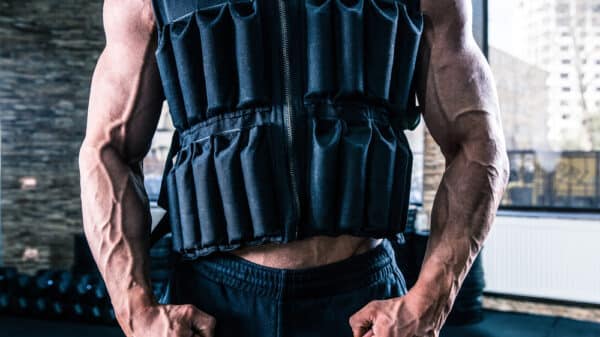















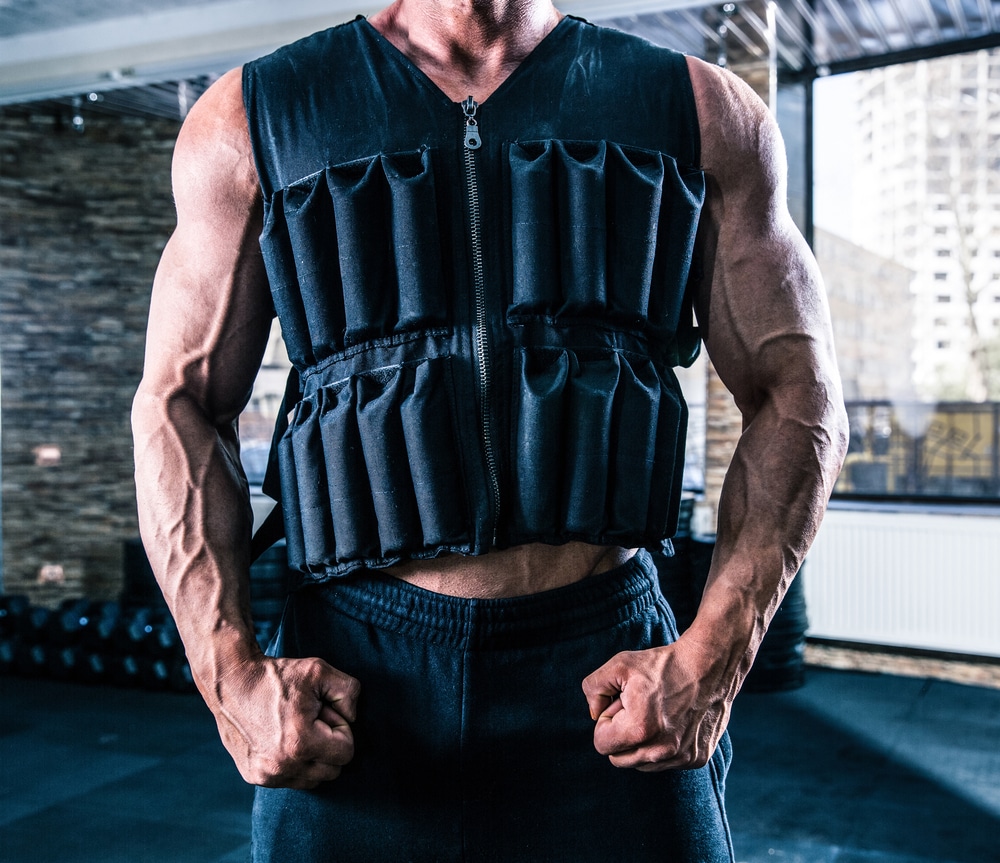
Weighted vests have become a common sight in parks and fitness centers, offering a straightforward way to increase the intensity of a standard walk. While simple to incorporate into a routine, they are also easy to use incorrectly.
Using a vest that is excessively heavy, fits improperly, or is worn for unsuitable activities can place undue stress on the body. Implementing safety guidelines helps bridge the gap between purchasing your first vest and safely progressing over time.
Understanding the Capabilities and Limitations of Weighted Vests
Establishing realistic expectations is essential before purchasing a weighted vest.
Adding resistance increases the physical demands of standard movement. Research highlights that carrying additional weight raises total energy expenditure during walking activities. Think of a vest as a supplementary accessory that enhances an existing routine rather than serving as a replacement for foundational exercise.
Importantly, a weighted vest does not substitute for resistance training.
Walking motions do not guide muscles through a complete range of motion, meaning they lack the stimulus required for significant muscle hypertrophy. Traditional weightlifting remains the primary method for improving muscle mass and bone strength. Furthermore, wearable fitness trackers may overestimate the precise caloric burn achieved during weighted walking sessions.
View the vest primarily as a tool to amplify the productivity of your regular walking routine.
1. Calculate the Proper Weight Before Making a Purchase
Fitness and medical professionals frequently suggest a starting load equivalent to 5% to 10% of your total body weight.
To determine your range, weigh yourself and multiply that figure by 0.05 for the minimum and 0.10 for the maximum. For a 150-pound individual, this equals 7.5 to 15 pounds.
Beginning at the lower end of this spectrum provides a cautious and manageable entry point.
Adjustable vests simplify this progression, allowing you to insert or remove small increments of weight instead of buying multiple sizes. Beginners can even start by wearing an adjustable vest completely empty to get accustomed to the sensation.
Allow your body to adapt to how the equipment rests on your torso before introducing any external loads.
2. Ensure a Snug Fit Without Restricting Movement
A loose vest tends to shift and bounce, which can cause friction and disrupt your natural balance.
However, excessive tightness poses its own problems. Vests that are over-tightened or worn during strenuous aerobic activities can compress the chest cavity and interfere with normal breathing patterns. If you notice restricted airflow during a brisk walk, loosen the straps or reduce the load. Look for designs that distribute weight evenly across the upper torso.
Test the fit prior to your first excursion by strapping the vest on and taking several deep breaths. If your ribcage cannot expand fully, adjust the straps outward. Next, walk quickly for a brief period to check for unwanted bouncing.
Pay attention to your shoulders as well; the vest should rest comfortably atop them rather than sagging toward your arms.
3. Prioritize Walking on Level Surfaces Initially
Begin your progression with standard walking workouts on stable terrain while wearing proper footwear.
Transitioning to running introduces a significantly higher impact profile. High-impact movements involving a weighted vest should generally be avoided unless specifically cleared and supervised by a sports medicine professional or physical therapist.
Introduce modifications one variable at a time.
If you incorporate a weighted vest this week, maintain your usual walking distance, pace, and route. Once that feels entirely comfortable, you can alter one parameter. Modifying weight, speed, and distance simultaneously increases the likelihood of strain.
4. Evaluate the Evidence Regarding Bone Health
While bone density enhancement is a frequent marketing claim for weighted vests, clinical research on this topic remains ongoing.
The underlying hypothesis suggests that skeletal structures adapt to increased mechanical loads. Clinical trials examining older adults undergoing weight loss have evaluated groups utilizing weighted vests alongside others participating in formal resistance training.
In certain comprehensive studies, participants experienced similar changes in hip bone density regardless of whether they used a vest or performed resistance training during a weight-loss regimen.
Exploratory analyses tracking upright posture duration indicate that more research is necessary before concluding that a vest offers direct skeletal protection. Individuals diagnosed with osteopenia or osteoporosis should consult a healthcare provider before starting any weighted vest regimen.
5. Remove the Vest During Bending, Twisting, and Stair Climbing
Certain functional movements are incompatible with external torso loading.
Experts advise removing weighted vests during activities that require frequent forward bending. Yoga, floor stretching, and inverted postures are also unsuitable for vest use, as are dynamic sports involving rapid torso rotation, such as tennis or pickleball.
Balance considerations are equally important.
Carrying extra load can alter your center of gravity and elevate the risk of trips and falls, particularly on stairs or uneven outdoor terrain. Navigating root-strewn trails while wearing extra weight presents unnecessary stability challenges.
Limit early vest use to predictable, flat paths, exercise caution on staircases, and leave the gear at home when tackling rugged hiking paths.
6. Limit Use to Specific Training Sessions
Some individuals attempt to wear weighted vests continuously throughout daily errands and extended desk work under the assumption that longer exposure yields better results.
Prolonged continuous wear is generally discouraged.
Medical guidance advises reserving weighted vests strictly for dedicated, intentional physical activity sessions. Wearing load improperly or for extended durations can negatively impact posture over time.
A training session can consist of a focused walk or active household chores, provided there is a clear endpoint. Starting with shorter durations, such as 20-minute walks, and gradually working up to 30 minutes allows the back muscles adequate recovery time.
7. Use Posture as a Guide for Increasing Weight
Progressive overload should be guided by your body’s physical feedback rather than arbitrary timelines.
A proper load should feel challenging while still allowing you to maintain an upright posture and natural gait. If you notice yourself slouching, leaning forward excessively, or straining to maintain pace, the weight is likely too heavy.
Monitor your form by checking your reflection or having a companion observe your stride.
When your current weight feels manageable and your posture remains uncompromised, you can incrementally increase the load. Small upward adjustments every few weeks are ideal; if your form deteriorates following an increase, step back to the previous weight.
Who Should Avoid Weighted Vests
Weighted vests are not appropriate for everyone. Individuals dealing with spinal conditions such as scoliosis or disc herniations, joint pain, arthritis, recent injuries, balance issues, or severe osteoporosis should refrain from using them. Pregnant individuals and children should also avoid weighted vests, as should anyone experiencing chronic back, shoulder, or knee discomfort.
If any of these conditions apply to you, or if you have concerns regarding your bone density or overall health, consult a physician or physical therapist prior to use.
Conclusion
A weighted vest offers a practical method to increase the intensity of your regular walking routine. Success depends on starting with a light load, maintaining a snug and comfortable fit, removing the gear during twisting or bending movements, and advancing weight only when your posture remains steady. Because vests do not replace traditional strength training and their impact on bone density requires further study, they are best viewed as a supplemental tool. Begin your next walk by calculating an appropriate starting weight on a familiar, flat route, and always consult a medical professional if you manage any underlying health conditions.