



















Modern technology has seamlessly integrated into the fabric of active living, yet the most effective devices are those that demand the least conscious effort. For individuals who spend their time hiking, exercising, commuting, or transitioning between professional and personal responsibilities, the last thing they want is to be tethered to a handheld screen. This shift in user needs has driven the evolution of wearable technology from basic step counters into sophisticated tools designed to operate quietly in the background.
From smartwatches and fitness rings to wireless earbuds and intelligent eyewear, the market offers a variety of ways to maintain connectivity without the burden of extra gear. The value of a wearable is not found in a bloated list of technical specifications, but in how naturally it fits into a daily routine, simplifying tasks without creating a new source of digital distraction.
The Strategic Advantage of Wearables for Physical Activity
Maintaining an active lifestyle often places people in situations where interacting with a smartphone is clumsy or impractical. Whether you are navigating a mountain trail, cycling through urban environments, or simply carrying groceries, stopping to pull a phone from a pocket can be a significant point of friction. Wearable tech addresses this by placing essential functions within immediate reach.
A smartwatch provides rapid access to notifications and health metrics, while wireless earbuds facilitate communication and audio consumption on the move. Fitness rings offer a discreet way to monitor physiological data without the interface of a screen. Smart eyewear takes this a step further by integrating technology into an accessory many people already wear. By merging digital utility with items we already use, wearables enhance convenience without adding to the physical load.
Exploring the Potential of Intelligent Eyewear
Smart glasses are emerging as a particularly compelling category because they occupy a prime position within a user’s natural field of vision. Contemporary AI-enabled glasses demonstrate that high-tech features can coexist with classic frame designs, allowing them to serve as both a functional tool and a standard piece of eyewear.
This development is especially beneficial for those seeking a truly hands-free experience. During outdoor excursions or busy travel days, smart glasses allow for a different type of engagement with technology. Instead of pausing to look at a phone, users can utilize voice commands or subtle wearable features to manage tasks. The goal is to provide access to helpful information in a way that feels like an extension of the person rather than an interruption of their movement.
Prioritizing Presence Over Screen Time
A growing concern in the digital age is the tendency for mobile devices to pull our attention away from our immediate surroundings. Even when we are outdoors or in social settings, the urge to check notifications can disrupt our connection to the environment. Wearable devices offer a solution by providing a more curated, less intrusive stream of information.
A brief audio cue or a quick haptic alert on the wrist can provide the necessary update without requiring the user to unlock a screen and navigate through various apps. This shift doesn’t eliminate the need for screens entirely, but it allows routine interactions to happen more subtly. For the active user, technology becomes a supportive partner in their activity rather than a barrier to being present.
The Enduring Utility of the Smartwatch
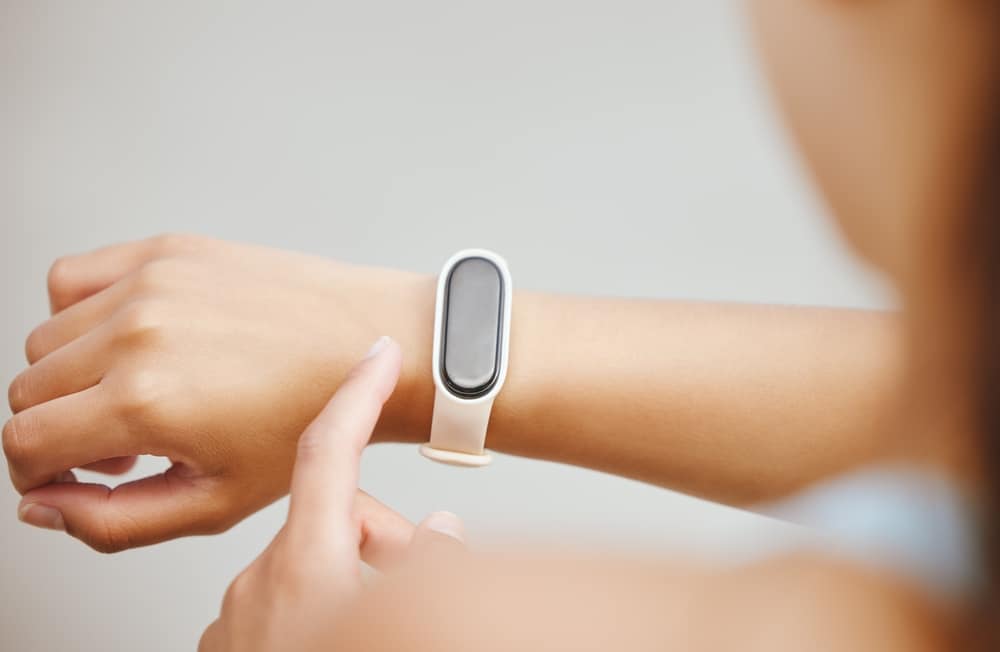
Smartwatches continue to lead the wearable market because they offer a balanced blend of health monitoring, communication, and logistical convenience. For runners, gym-goers, or anyone tracking their daily steps, having access to real-time data on the wrist is incredibly practical.
These devices also serve as a secondary interface that reduces phone dependency. Tasks such as setting a timer, checking a message, controlling a playlist, or reviewing workout intensity can be accomplished with a simple glance. The most effective use of a smartwatch depends on individual goals—some may prioritize advanced biometric data and GPS, while others focus on reminders and staying connected during a commute.
Minimalist Health Tracking Through Smart Rings
For those who prefer a less conspicuous approach to technology, smart rings have become an increasingly popular alternative. These compact devices are engineered to work silently in the background, harvesting wellness data without the need for a traditional display. People who find watches bulky or distracting often find that a ring provides a more comfortable, “set it and forget it” experience.
This move toward minimalism highlights a broader trend: technology is becoming less visible. Rather than competing for the user’s attention, these devices are designed to collect insights and provide assistance while the user focuses entirely on the world around them.
The Role of Audio Wearables in Active Routines
Wireless earbuds have transitioned from simple accessories to essential tools for the active individual. They provide a hands-free way to consume podcasts, handle professional calls, or follow navigation instructions while walking or commuting. Audio-based information delivery is particularly effective because it doesn’t require the user to break their stride.
The development of open-ear technology has further improved the experience, allowing users to remain aware of their environment while listening to audio. As with any device worn on the body, long-term comfort is the most critical factor. Even the most advanced earbuds will be abandoned if they cause discomfort or fail to stay secure during movement.
Balancing Technical Features with Ergonomic Design
Unlike most gadgets, wearables are physically attached to the body, making their design and ergonomics just as important as their software. Factors like weight distribution, material quality, battery longevity, and ease of wear are paramount. Glasses must feel balanced on the nose, watches must not chafe during exercise, and rings must be sized perfectly for daily wear.
Style also plays a significant role in long-term adoption. Since these devices are often visible, users are more likely to wear them consistently if they align with their personal aesthetic. This has led manufacturers to focus on making smart tech look like traditional, high-quality accessories rather than obvious electronic hardware.
Evaluating Technology Based on Personal Habits
The ideal wearable configuration is highly subjective. A weekend hiker has vastly different requirements than a professional navigating back-to-back meetings and family errands. Before investing in a new device, it is helpful to identify the specific moments where current technology feels like a hindrance.
Ask yourself if you frequently have to stop walking to look at a map, or if you wish you could take a hands-free photo during a trip. Do you need to stay on top of urgent messages while your hands are busy? Identifying these recurring pain points is a better strategy than simply buying the device with the most features. A wearable should exist to solve a problem or make a frequent activity more enjoyable.
Streamlining Your Digital Ecosystem
It is easy to fall into the trap of purchasing multiple devices that perform the same functions. However, a cluttered ecosystem of gadgets can become a burden. A smaller, more intentional collection of tech is usually more effective.
If a smartwatch already tracks your activity, you might not need a separate fitness ring. If your smart glasses handle your notifications, you may rely less on your watch. Selecting technology based on your actual lifestyle helps ensure that each piece adds real value rather than just providing another battery that needs to be charged.
The Evolution Toward Invisible Technology
The future of wearable technology is moving away from complex interfaces and large screens. Instead, the focus is shifting toward devices that blend into everyday objects and function through intuitive sensors, audio, and AI assistance. For those who value an active, engaged life, this is a positive direction. Good technology should empower the user to explore and interact with the world, not keep them tethered to a digital interface.
Ultimately, the most successful wearables are those that become almost invisible to the user. They provide help exactly when it’s needed and stay out of the way when it isn’t. As the industry matures, this balance of simplicity and utility will likely be the standard for how we integrate technology into our daily lives.
Summary: Finding Harmony Between Tech and Activity
Wearable technology is at its best when it serves as a subtle companion to an active lifestyle. By choosing devices that emphasize hands-free operation, ergonomic comfort, and genuine utility, users can stay connected and informed without sacrificing their presence in the physical world. Whether it is through the versatility of a smartwatch, the minimalism of a smart ring, or the intuitive nature of AI eyewear, the goal remains the same: technology should support our movement, not interrupt it.