
















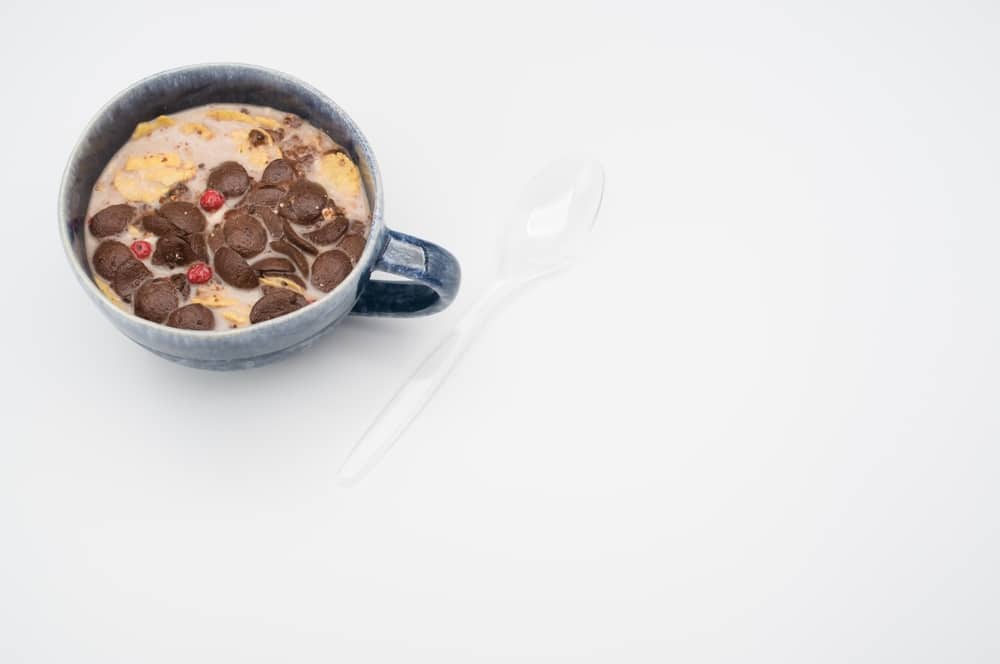
Developing the habit of scrutinizing ingredient lists and nutrition panels is one of the most effective ways to improve your dietary choices. While it requires more time at the supermarket, this diligence reveals that many common products contain additives that might not align with a health-focused lifestyle. Availability in a major grocery chain does not automatically equate to nutritional quality, and some staples may require a second look during your next trip.
To assist in your research, it is helpful to look at several American breakfast cereals that utilize ingredients subject to stricter regulations or warning labels in Europe. Prioritizing a breakfast that supports long-term wellness means being aware of substances that have raised concerns globally.
U.S. Breakfast Cereals with Ingredients Under Scrutiny Abroad
Registered dietitians note that food transparency is not always as high as consumers expect. When examining common grocery items, several popular cereals stand out for containing additives that are more strictly controlled in other countries. The following information reflects manufacturer data as of late 2026; however, since recipes can be updated, consumers should always verify the current label on the packaging.
Kellogg’s Froot Loops and Synthetic Colorants
This cereal frequently contains synthetic dyes such as Red 40, Yellow 5, and Yellow 6. Additionally, the preservative BHT (butylated hydroxytoluene) is often integrated into the packaging to maintain product freshness. While the manufacturer has indicated plans to phase out artificial colors across its cereal line by the end of 2026, many versions currently on shelves still include these substances.
Cap’n Crunch: Dyes and Preservatives
Cap’n Crunch is another product that utilizes synthetic colors, specifically Yellow 5 and Yellow 6, to achieve its signature look. It also contains BHT, a preservative that is used to prevent spoilage but is subject to tighter restrictions in international markets.
Honey Bunches of Oats and Shelf-Life Stabilizers
Even cereals that appear more traditional in their composition can contain additives. Honey Bunches of Oats is among the products that use the preservative BHT to maintain stability and freshness during its time on the shelf.
Understanding European Food Safety Warnings
The European Commission has established specific protocols for food products containing certain synthetic colors. In Europe, items containing Sunset Yellow (Yellow 6), Tartrazine (Yellow 5), or Allura Red (Red 40) must feature a warning label stating the product “may have an adverse effect on activity and attention in children.”
It is worth noting that while the U.S. and EU share some safety standards, they differ on others. Some dyes used in Europe are prohibited in the U.S., while several dyes common in American cereals require warnings in the EU. Furthermore, European regulators often confine the use of BHT to very specific food categories and enforce lower maximum allowable levels than U.S. regulators.
Navigating Different Food Safety Philosophies
Varying international regulations do not necessarily mean a product is “unsafe” in a literal sense, but rather reflect different national approaches to risk and the “precautionary principle.” Regarding food dyes, scientific evidence suggests a small but notable association between synthetic colorants and adverse behavioral or attention effects in certain children, including those with ADHD.
While researchers often describe the impact of these dyes as a small contributing factor rather than a primary cause of behavioral issues, many health experts suggest reducing exposure where possible. For those looking to optimize their nutrition, transitioning toward a whole-foods approach and selecting dye-free or preservative-free cereals can be a proactive step toward better health.
Summary of Mindful Breakfast Choices
Understanding the differences between American and European food standards can help you navigate the grocery store with greater confidence. By identifying ingredients like BHT and synthetic dyes (Red 40, Yellow 5, and Yellow 6), you can make informed decisions about which products deserve a place at your breakfast table. Prioritizing whole foods and reading labels carefully are essential strategies for maintaining a healthy, balanced diet in an era of complex food manufacturing.