
















In recent years, the concept of self-care has evolved into a global phenomenon, dominating social media feeds from TikTok to Instagram. This cultural shift toward prioritizing mental and physical well-being is a positive development, encouraging a new generation to acknowledge their own needs. However, not every habit marketed as “wellness” is actually beneficial. In some cases, popular self-care rituals can inadvertently cause more stress or health issues when they are practiced without balance.
Many individuals turn to specific routines to decompress after a demanding day, unaware that these very habits might be hindering their progress. If these behaviors are repeated daily, they can lead to a cycle of exhaustion rather than recovery. Understanding the hidden downsides of common self-care trends is the first step toward building a truly restorative lifestyle.
One of the most frequent habits is the late-night “revenge bedtime procrastination,” where people scroll through their phones to reclaim personal time. While it feels like a way to wind down, the blue light from screens and the constant influx of digital information keep the brain in a state of high alert. This makes it significantly harder to transition into deep, restorative sleep. For genuine self-care, experts suggest disconnecting from all electronic devices at least 30 minutes before bed. Protecting your sleep hygiene is one of the most effective ways to support long-term physical and mental health.
Managing Stress Through Varied Outlets Instead of Over-Exercise
Physical activity is widely recognized as an excellent way to manage stress. However, relying exclusively on high-intensity exercise can eventually become counterproductive. When every workout is pushed to the limit, the body may begin to view exercise as an additional source of strain rather than a release.
Frequent, intense training sessions can lead to chronically elevated cortisol levels, the body’s primary stress hormone. When exercise becomes an unhealthy obsession, it adds to the physiological burden your body is already carrying. To maintain a healthy balance, it is important to incorporate diverse hobbies and lower-impact activities that allow the nervous system to truly relax.
Prioritizing Consistent Nutrition Over Restrictive Habiting
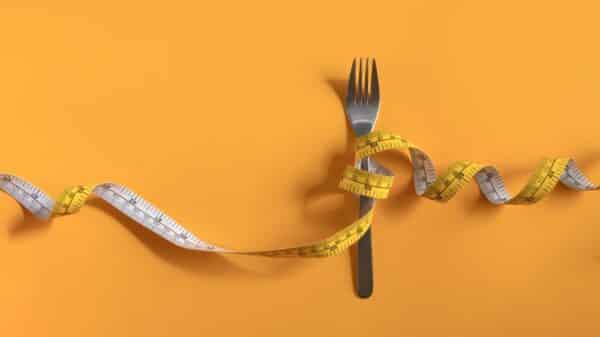
The “clean eating” movement has made many people more conscious of their dietary choices, which is a key component of self-care. However, the focus on perfection can sometimes lead to unintentional under-fueling. Many popular diets, often framed as intermittent fasting, can result in regularly skipped meals that disrupt the body’s metabolic balance.
When you go too long without adequate nutrition, your body responds by increasing stress hormones. This metabolic stress can compound the effects of daily mental pressure. Rather than focusing on restriction, a more sustainable approach involves eating balanced meals and smart snacks to ensure the body has the energy it needs to function optimally.
Distinguishing Between Healthy Venting and Stress Reinforcement
Sharing your struggles with friends or family is often a helpful way to process emotions and reduce feelings of isolation. However, there is a point where talking about a problem becomes “rumination,” which can actually heighten anxiety levels.
If every conversation revolves around the same grievances without moving toward a potential solution, you may be reinforcing the stress response rather than diffusing it. To ensure that venting remains a form of self-care, it is helpful to balance emotional expression with a focus on constructive growth and moving forward.
Evaluating the Long-Term Impact of Alcohol on Relaxation
Enjoying a glass of wine at the end of a stressful day is a common way to signal to the body that it is time to relax. While an occasional drink is a personal choice, using alcohol as a primary coping mechanism for frequent stress can lead to physiological consequences.
Because alcohol is a depressant, it initially slows down the nervous system to create a fleeting sense of calm. However, as the body processes it, the stress response system is often activated. This exposure to higher levels of cortisol can interfere with sleep quality, digestive health, mood regulation, and cognitive function over time. True relaxation is better achieved through methods that support, rather than disrupt, the body’s natural chemistry.
Overcoming the Pressure of Constant Productivity
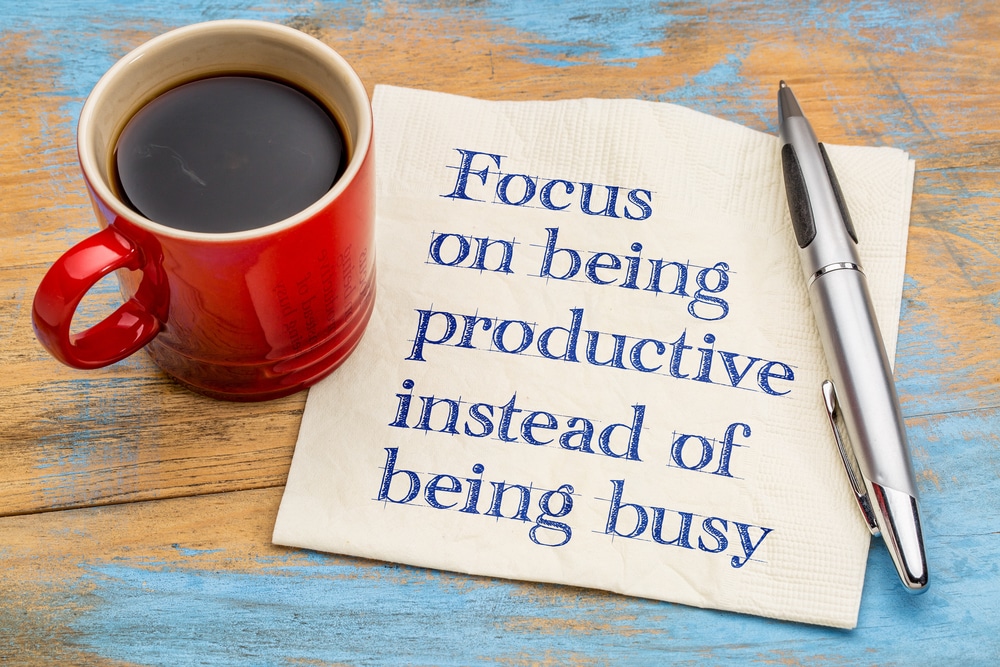
The satisfaction of completing a to-do list can be addictive, but many people fall into the trap of “toxic productivity.” This occurs when every free moment is filled with tasks—such as chores, errands, or extra work—leaving no room for actual rest.
There is a significant difference between self-improvement and the constant need to optimize every second of your life. Feeling guilty during moments of inactivity is often a sign of a heightened stress response. True self-care requires giving yourself permission to be unproductive, as constant busyness often raises stress levels and leads to eventual burnout.
Final Considerations for a Sustainable Wellness Routine
Prioritizing your own well-being is essential for preventing burnout and maintaining a healthy life balance. It is important to remember that self-care is not a one-size-fits-all solution or a set of trends to be followed blindly. It is a personalized practice that should evolve based on your specific needs.
By becoming aware of habits that may be causing hidden stress, you can make more informed choices about your health. Genuine self-care is about identifying what truly nurtures your mind and body in the long term, ensuring that your routines provide the restoration and peace you deserve.