




















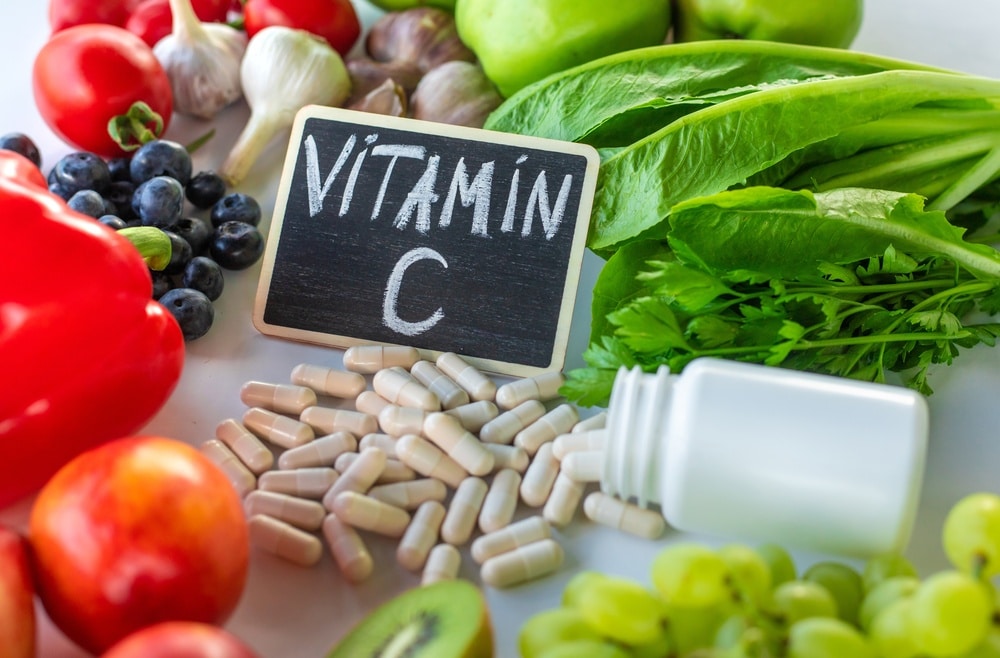
Exploring the Impact of Vitamin C on Depression and Anxiety
Understanding the relationship between nutrition and mental health has become a vital focus in recent years. Among various nutrients, vitamin C has garnered attention for its potential role in alleviating symptoms of depression and anxiety. Recent research indicates that a higher intake of fiber-rich fruits and vegetables not only promotes physical health but also contributes positively to mental well-being.
The Link Between Diet and Mental Health
Studies have shown that consuming multiple servings of fruits and vegetables each day can result in lower incidences of anxiety, increased happiness, and enhanced life satisfaction. The benefits of a diet rich in produce extend beyond mere physical health, hinting at a protective effect against mental health disorders, including depression and anxiety.
Potential Mechanisms of Action
So, what is the underlying reason for the connection between diet and mental health? One theory suggests that the antioxidant and anti-inflammatory properties of fruits and vegetables may help combat the oxidative stress associated with depression. This raises an important question: Could vitamin C supplementation replicate these benefits?
The Role of Vitamin C in the Brain
Vitamin C is essential for numerous functions in the body, particularly in the brain, where it is present in high concentrations. It plays a critical role in synthesizing neurotransmitters like dopamine, which are crucial for mood regulation. However, the effectiveness of vitamin C specifically for anxiety and depression requires thorough investigation.
Research Findings on Vitamin C Supplementation
The efficacy of vitamin C as an adjunct treatment for depression has yielded mixed results. Some studies indicate that when vitamin C was added to standard antidepressant treatments, participants experienced improvements in their symptoms. Conversely, other studies found no significant benefits from vitamin C supplementation alone.
Impact on Anxiety Levels
Interestingly, a study revealed that individuals receiving vitamin C supplementation reported notable reductions in anxiety levels, even when there was no marked improvement in depressive symptoms. Furthermore, a controlled trial involving high school students demonstrated that those taking 500 mg of vitamin C daily saw decreased anxiety and heart rates. This dosage is roughly equivalent to the vitamin C content found in five oranges.
Acute Anxiolytic Effects of Vitamin C
Research further explores whether a single dose of vitamin C can produce immediate effects on anxiety. Findings indicate that participants with higher baseline anxiety experienced a significant reduction in anxiety levels within just two hours after taking vitamin C, underlining its potential for acute relief.
Additional Benefits and Considerations
In addition to its anxiolytic properties, vitamin C supplementation may also contribute to lowering blood pressure, which can be beneficial for overall health. Although whole fruits and vegetables might offer superior benefits in this regard, incorporating vitamin C through supplementation or food can still play a role in a balanced diet.
The Importance of Whole Foods
Research suggests that simply adding two servings of fruits and vegetables daily can enhance psychological well-being within two weeks. Unlike vitamin C supplements, these whole foods pose little to no risk, such as kidney stones, which may be a concern primarily for men who take high doses of vitamin C.
Conclusion
While the current body of evidence related to vitamin C’s role in mental health indicates some potential benefits, particularly concerning anxiety, it is clear that maintaining a balanced diet rich in fruits and vegetables remains essential for overall mental and physical wellness. Implementing lifestyle changes that increase fruit and vegetable intake can offer both immediate and long-term advantages for mental health.