












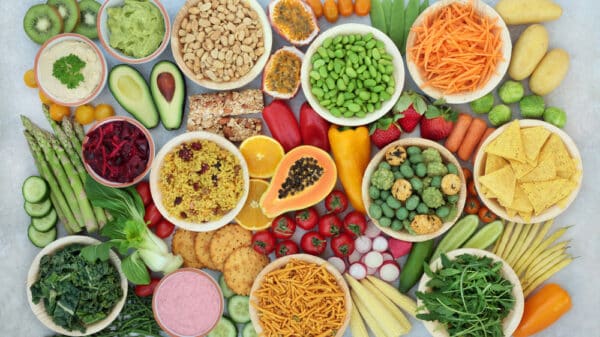








Processed foods can significantly hinder your fitness goals. They are often packed with added ingredients like salt, unhealthy fats, and preservatives, which can disrupt gut health and contribute to conditions such as osteoarthritis. A recent study from the University of Bristol underscores the hidden calories in convenience foods, emphasizing the benefits of whole foods for those aiming to lose weight while enjoying satisfying meals.
The study, published in The American Journal of Clinical Nutrition, arose from collaboration between researchers at the University of Bristol in the U.K. and experts from the U.S. The findings reveal that heavy consumption of processed foods can impair our body’s natural ability to make healthy dietary choices. Surprisingly, we possess an innate ‘nutritional intelligence’ that works in our favor when we prioritize whole foods. However, this intelligence falters when we fill our diets with processed options, leading to excessive calorie consumption that disrupts our fitness journeys.
Study Methodology
Participants with stable body weights followed two separate two-week diets: one featuring ultra-processed foods (UPFs) and the other based on whole, unprocessed meals. This approach helped researchers evaluate how each dietary pattern influenced participants’ overall food choices, portion sizes, and nutritional intake.
The Impact of Ultra-Processed Foods on Hunger Responses
The results were striking. Those consuming an unprocessed diet ate over 50% more food compared to those who consumed only ultra-processed options. Despite this increased volume, the unprocessed group averaged 330 fewer calories per day. “It’s inspiring to observe that when individuals have access to unprocessed options, they instinctively select foods balancing enjoyment, nutrition, and satisfaction, while still dialing back their overall energy intake,” stated Jeff Brunstrom, the study’s lead author. Instead of gravitating towards calorie-dense foods like butter, unprocessed eaters opted for fruits and vegetables, achieving a healthier diet without consciously trying to eat less.
“Our dietary choices aren’t random. We tend to make smarter decisions when we choose foods in their natural form,” Brunstrom added. This builds on previous research highlighting similar findings and sheds light on why individuals consuming whole foods maintain healthier dietary patterns. The study concludes that those favoring whole foods can access essential vitamins and nutrients effectively, thanks to what scientists define as “micronutrient deleveraging.” Conversely, the UPF group consumed more calories but experienced a decline in nutritional quality, as they gravitated towards energy-dense, less nutritious options.
“The core issue isn’t necessarily overeating,” Brunstrom explained. “Rather, the nutritional composition of foods shapes our choices. Ultra-processed foods appear to steer individuals towards higher-calorie selections, which can lead to surplus energy intake and contribute to obesity.”
If you’ve ever indulged in processed snacks and found yourself hungry shortly afterward, this idea may resonate. On the positive side, focusing on whole foods promotes greater satiety with fewer calories and encourages better nutrition for your body.