


















Understanding Electrolyte Loss During Exercise
Whether your training routine involves heavy lifting, endurance running, or an extended cycling session, strenuous physical activity shares one major physiological outcome: you sweat. As your body perspires to regulate its temperature, it flushes out essential minerals, primarily sodium and potassium. For brief workouts, plain water is typically sufficient for hydration. However, when exercise sessions are prolonged or performed in hot environments, replenishing these lost electrolytes becomes essential for maintaining performance and overall comfort.
The Hidden Downsides of Traditional Sports Drinks
While commercial sports beverages are designed to restore lost minerals, they often come with a significant drawback: high sugar content. Many popular options pack 20 grams or more of sugar per serving. For individuals actively monitoring their caloric intake or trying to limit dietary sugar, these products can easily undermine fitness and nutrition goals.
How to Choose a Low-Sugar Electrolyte Supplement
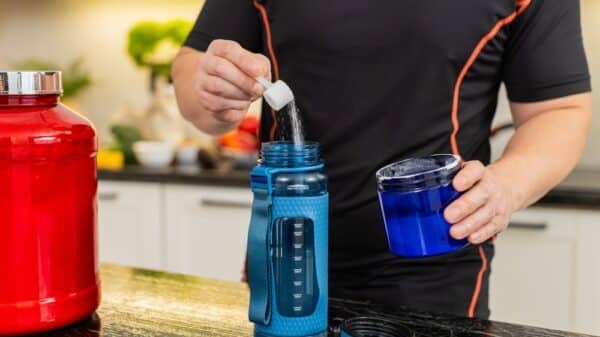
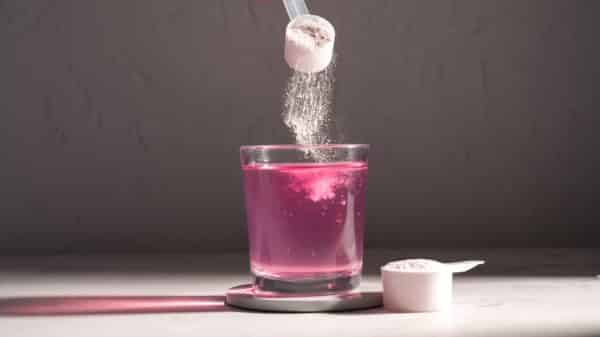
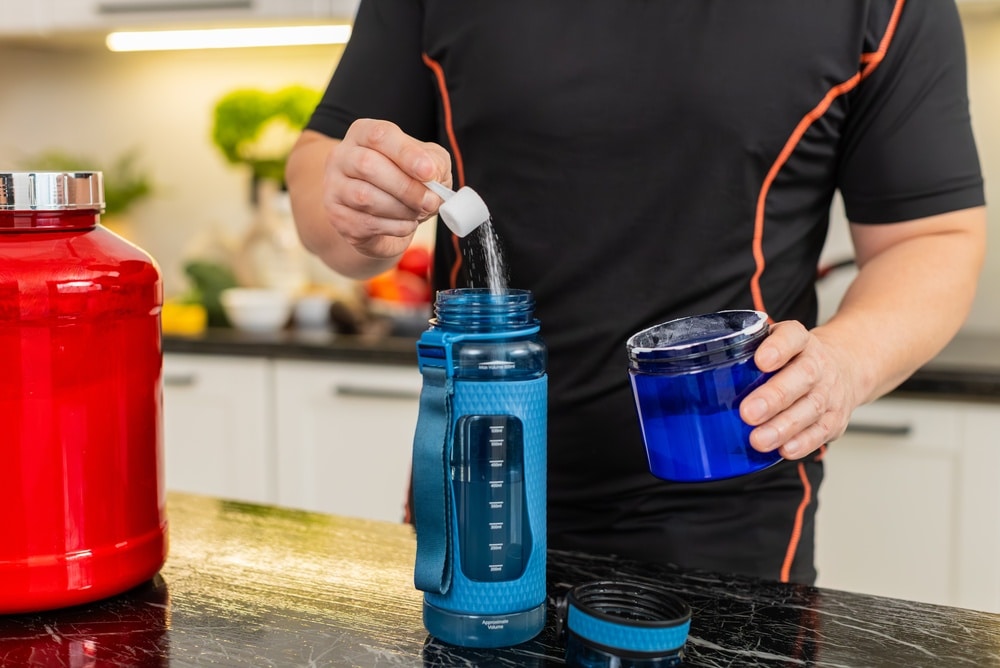
A more streamlined approach is utilizing a portable electrolyte powder that mixes directly into your own water bottle. To ensure you select a healthy and effective option, carefully examine the product label for three key factors:
- Adequate levels of sodium and potassium to support replenishment
- Zero or very low sugar content
- A sweetener profile that aligns with your dietary preferences
Preparing your bottle ahead of time guarantees you have proper hydration support ready to go, whether you are training at the gym or working out at home.
Evaluating Low-Calorie Options
For those interested in exploring drink mixes, brands like True Citrus offer electrolyte powders packaged in convenient individual sticks. These particular formulations feature zero sugar, avoid artificial sweeteners, and deliver 600 milligrams of electrolytes. Because these specific mixes contain 10 to 15 calories per serving rather than being completely calorie-free, it is wise to review the nutrition facts if you meticulously track your daily caloric intake.
Best Practices for Using Electrolytes
Save specialized electrolyte drinks for intense or high-sweat days, skipping them entirely on lighter recovery days when plain water is enough. Furthermore, if you manage underlying health conditions such as high blood pressure or kidney issues, it is always wise to consult your healthcare provider before introducing new electrolyte supplements into your routine.