

















There is a common misconception in the fitness world that the barbell back squat, bench press, and deadlift are the only paths to a muscular physique. While these movements are undoubtedly effective, no single exercise is strictly mandatory for hypertrophy or strength gains. Every movement comes with its own set of advantages and drawbacks, and what works for one person might be suboptimal for another due to injury history, mobility limits, or individual body proportions.
The human body does not recognize specific pieces of equipment; it only responds to tension, mechanical stress, and metabolic fatigue. If a specific lift causes pain or simply doesn’t feel right, there is always an alternative that can provide the same stimulus to the target muscle groups.
Flexible Alternatives to the Traditional Deadlift
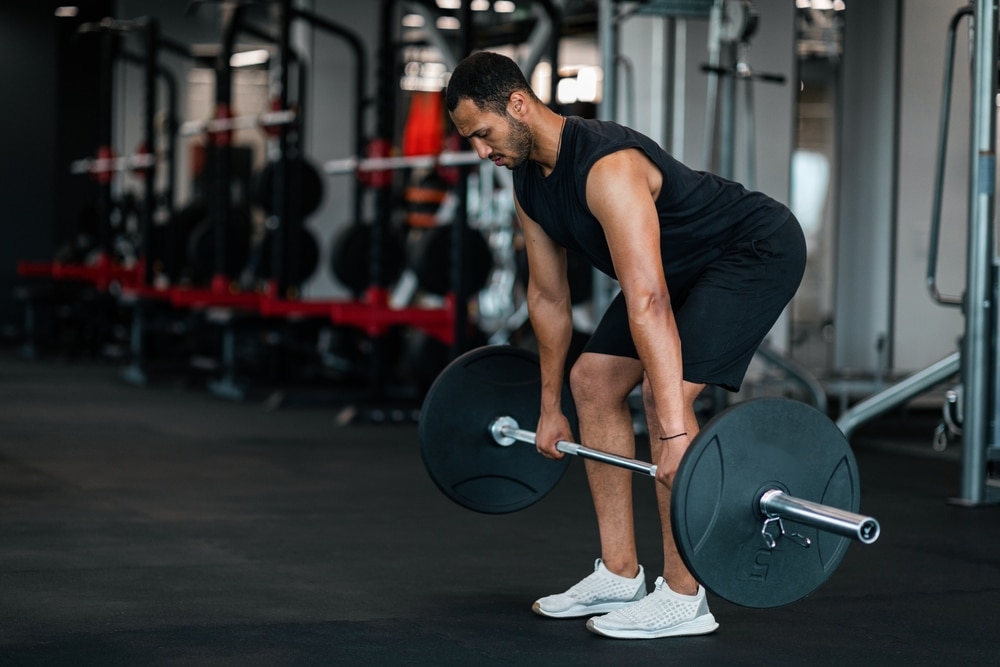
The barbell deadlift is frequently praised for its ability to tax the entire posterior chain. However, if you find the conventional pull taxing on your lower back or simply prefer a different approach, you can still build a powerful back and strong hamstrings using other variations. Consider the following substitutes:
- Trap-Bar Deadlift: This allows for a more upright torso, reducing shear force on the spine.
- Romanian Deadlift: Excellent for isolating the hamstrings and glutes with a focus on the eccentric (lowering) phase.
- Accessory Movements: You can combine exercises like seated or lying hamstring curls, hip thrusts, Bulgarian split squats, back hyperextensions, and heavy dumbbell rows to cover all the bases that a traditional deadlift would.
Effective Substitutes for Squats and Bench Pressing
Just as with the deadlift, the back squat and flat bench press are not the only ways to build impressive legs or a thick chest. Many lifters find that these movements are actually less effective due to their unique biomechanics. For instance, individuals with very long femurs often find that squats tax their lower back more than their quads. Similarly, lifters with long arms may find the bench press places excessive strain on their shoulders rather than their pectoral muscles.
If these “big lifts” are not serving your goals, you can utilize a variety of high-value alternatives:
- Leg Growth: Front squats (barbell or dumbbell), safety bar squats, goblet squats, leg presses, and weighted lunges.
- Chest Development: Dumbbell bench presses, floor presses, chest press machines, pec decks, weighted dips, and deficit push-ups.
Modifying Your Routine to Avoid Joint Pain
Training should improve your quality of life, not diminish it. If certain movements cause persistent discomfort in your joints or connective tissues, it is often more productive to switch to a variation that allows for pain-free progression. Below are common issues and their respective workarounds:
Shoulder and Wrist Discomfort During Pressing
If the standard barbell bench press irritates your shoulders or wrists, try using a neutral-grip dumbbell press, a machine chest press, or cable flyes. These options often allow for a more natural range of motion. For those struggling with the overhead press, landmine presses or incline dumbbell presses can target the shoulders while being much friendlier to the lower back and rotator cuffs.
Elbow and Wrist Strain During Arm Training
Straight-bar curls are notorious for causing wrist strain in many lifters. Switching to an EZ-bar, which allows for a semi-supinated grip, or using dumbbells for hammer curls can alleviate this pressure. Similarly, if triceps extensions with a straight bar cause elbow pain, try cable pressdowns with a rope attachment or overhead extensions using a neutral grip.
Knee and Back Stress During Lower Body Work
If heavy squatting causes knee or lumbar issues, you don’t have to stop training legs. Movement patterns like the belt squat or hack squat provide high levels of quad stimulation without the spinal loading of a back squat. For those who find forward lunges or split squats difficult on the knees, reverse lunges or step-ups often provide a more stable and comfortable alternative.
Back and Elbow Issues with Pulling Movements
Pull-ups and chin-ups can be tough on the elbows for some. Using a neutral grip (palms facing each other) or switching to lat pulldowns can often resolve the issue. If heavy barbell rows are too demanding on your lower back, chest-supported rows or one-arm dumbbell rows allow you to train the lats and traps with much greater stability.
Final Thoughts on Exercise Selection
The most important factor in building muscle and strength is consistent progression over time. While the “Big Three” lifts are excellent tools, they are not the only tools available. If a certain exercise doesn’t fit your anatomy or causes pain, replacing it with a suitable alternative will not hinder your progress. By choosing movements that allow you to train hard, safely, and through a full range of motion, you can achieve an elite physique and high levels of strength without ever needing to step onto a powerlifting platform.