


















Androgenetic alopecia, commonly known as male or female pattern hair loss, remains one of the most frequent reasons patients seek dermatological care. This condition is marked by the gradual thinning of hair, particularly around the central area of the scalp. While pharmacological treatments and supplements are common interventions, emerging research suggests that dietary choices and gut health may play a significant role in managing hair density and growth.
The Connection Between Gut Health and Hair Regrowth
The influence of the human microbiome on systemic health is a growing field of study, and its impact may extend to the scalp. Clinical observations involving fecal microbiota transplants have provided surprising insights; in some cases, patients with total hair loss experienced significant regrowth following the stabilization of their gut bacteria. These findings suggest that maintaining a healthy internal environment is a foundational step in supporting the body’s natural regenerative processes.
Dietary Habits and Their Impact on Balding
Population-based research has identified specific lifestyle and dietary patterns associated with androgenetic alopecia. Habitual consumption of meat and processed “junk” foods, combined with poor sleep hygiene, appears to correlate with higher rates of male pattern baldness. Conversely, diets rich in raw vegetables and fresh herbs show a protective effect.
Soy consumption, in particular, has demonstrated a strong association with hair preservation. Studies indicate that drinking soy milk on a weekly basis may reduce the likelihood of experiencing moderate to severe hair loss by as much as 62%. This suggests that specific phytonutrients found in plant-based diets may help mitigate the mechanisms behind thinning hair.
Evaluating Evidence for Alternative Hair Treatments
The market for alternative hair loss “cures” often promises safety and efficacy without the side effects of conventional drugs. However, a critical review of the literature is necessary. Many studies rely on animal models, such as shaved rodents, which may not accurately reflect human biology. Furthermore, many clinical trials lack proper placebo controls, making it difficult to determine if a specific food or compound is truly responsible for any observed improvements.
The Synergistic Effect of Capsaicin and Soy Isoflavones
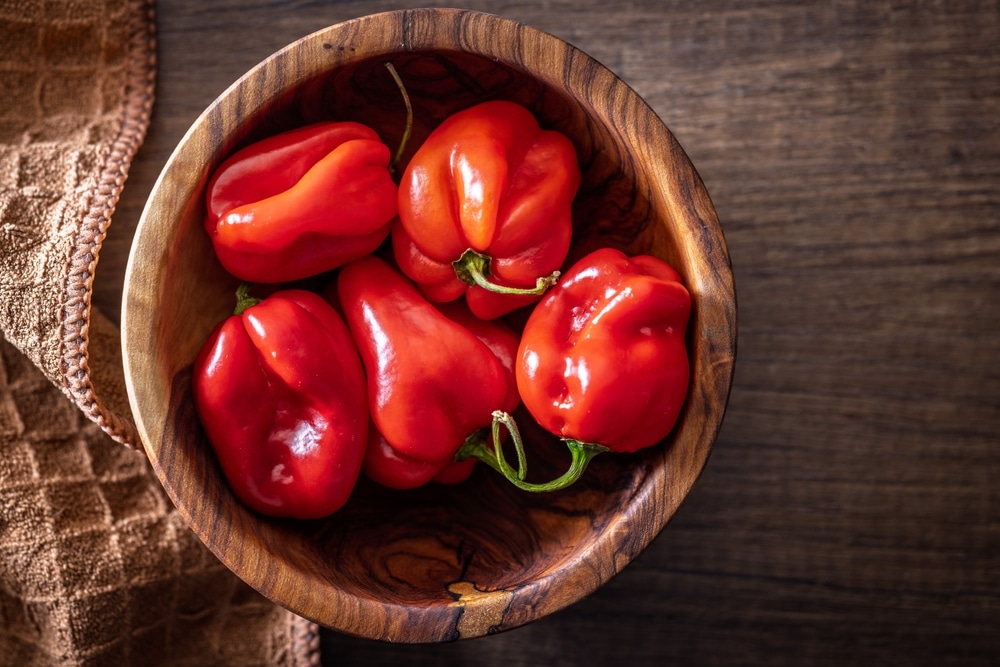
Despite the lack of rigor in some areas, high-quality human trials do exist. One randomized, double-blind, placebo-controlled study focused on the combination of capsaicin—the compound that gives peppers their heat—and soy isoflavones. Participants who took 6 milligrams of capsaicin and 75 milligrams of isoflavones daily showed significantly higher hair growth promotion compared to the control group.
To achieve these levels through whole foods, one would need to consume approximately a quarter of a fresh jalapeño pepper and roughly three-quarters of a cup of soybeans or tempeh daily. While soy nuts are also high in isoflavones, it is generally recommended to prioritize steamed or fermented soy over roasted varieties to avoid advanced glycation end-products (AGEs) associated with high-temperature cooking.
Pumpkin Seed Oil as a Natural DHT Blocker
Another promising natural intervention is pumpkin seed oil. The interest in this oil stems from its known benefits for benign prostatic hyperplasia (BPH), or an enlarged prostate. Because both BPH and pattern hair loss are influenced by androgen activity, researchers hypothesized that pumpkin seeds might offer an anti-androgenic effect.
In a controlled study of 76 men with male pattern baldness, those who consumed 400 milligrams of pumpkin seed oil daily for 24 weeks saw a 40% increase in hair count, compared to just 10% in the placebo group. This dose is remarkably small, equivalent to eating only two or three pumpkin seeds per day. Crucially, the participants reported high satisfaction with the results, and objective measurements confirmed better scalp coverage without any evidence of adverse sexual side effects, such as erectile dysfunction.
Summary of Nutritional Strategies for Hair Health
Managing hair loss through nutrition involves a multi-faceted approach. Prioritizing a diet high in raw vegetables, fresh herbs, and soy products can provide protective plant compounds that appear to lower the risk of thinning. Additionally, incorporating small amounts of capsaicin from peppers and isoflavones from soy may actively promote growth. The inclusion of pumpkin seed oil—or even a small daily serving of whole pumpkin seeds—offers a scientifically backed, low-risk method for increasing hair density and improving overall scalp health.