















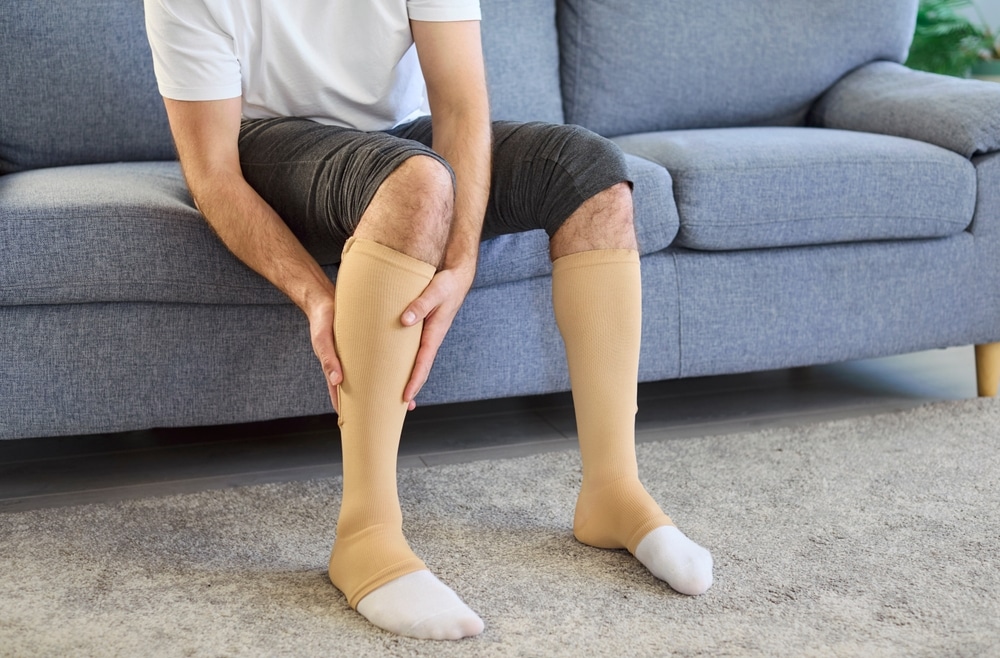
For most individuals, leg health remains an afterthought until discomfort demands attention. We rely on our lower limbs for every step, yet we often ignore the complex vascular processes that keep them functioning. It is only when persistent heaviness, swelling, or sudden nocturnal cramping occurs that we begin to recognize the signs of a circulatory system under strain.
Your leg circulation is a sophisticated, quiet operation that supports your daily mobility. However, when efficiency drops, the body sends clear signals. A sharp muscle spasm in the middle of the night is rarely a random event; it is often a physiological red flag indicating that the blood flow to your extremities is struggling to meet the demands of your tissues.
Understanding the Physics of Lower Limb Blood Flow
The circulatory system in your legs faces a unique challenge that the rest of your body does not: the constant pull of gravity. While oxygen-rich blood travels downward from the heart with relative ease, the return trip—moving deoxygenated blood back up the legs—requires the system to work against the laws of physics at all times.
To facilitate this upward movement, your veins are equipped with microscopic, one-way valves. These valves act as gates, allowing blood to move toward the heart while preventing it from slipping backward. When these valves lose their structural integrity, blood begins to pool in the lower extremities. This buildup increases internal pressure, eventually leading to visible symptoms such as edema (swelling) and gradual changes in skin tone or texture. Many people mistake these early warnings for “normal aging,” failing to realize their vascular system is signaling for help.
Why Circulation Issues Often Surface During Rest
While you may feel fine during a busy day, sleep often reveals the hidden vulnerabilities in your circulatory health. When the body enters a resting state, heart rate and blood pressure naturally decline. For a system that is already struggling, this dip in activity can push circulation below the threshold needed to maintain muscle health.
As oxygen delivery slows and metabolic waste products accumulate in the muscle tissue, the body reacts defensively. This is the primary trigger for the intense 2:00 AM leg cramp. These “charley horses” are not just minor nuisances; they represent a genuine circulatory crisis at the cellular level. Ignoring these episodes can lead to a detrimental cycle: poor sleep causes daytime exhaustion, which leads to a sedentary lifestyle, further weakening the vascular system and making the next night’s cramping even more likely.
The Link Between Leg Health and Overall Vitality
It is a mistake to view leg circulation as an isolated issue. The health of your lower limbs is intrinsically linked to your systemic wellness. Efficient blood flow is the delivery mechanism for the oxygen required for energy production and the primary system for flushing out the metabolic byproducts of physical exertion. Healthy vascular function is also a cornerstone of managing systemic inflammation.
When leg circulation is compromised, your physical capacity diminishes. Tasks that once felt effortless, like walking a few blocks or taking the stairs, become taxing. This leads to a “negative feedback loop” where decreased activity causes a decline in cardiovascular fitness, which in turn causes the veins to become even less efficient. Breaking this cycle is essential for maintaining long-term independence and mobility.
Common Lifestyle Factors That Impair Vascular Function
Several everyday factors can contribute to the gradual deterioration of blood flow. Identifying these triggers is the first step toward improving vascular health:
- Sedentary Behavior: Extended periods of sitting “deactivate” the calf muscles, which normally act as a pump to push blood upward.
- Weight Management: Carrying excess body weight puts additional mechanical pressure on the venous system.
- Hydration Status: Low water intake can increase blood viscosity, making it harder for the heart to move blood through small vessels.
- Nutritional Choices: Diets high in inflammatory processed foods can damage the delicate lining of the blood vessels over time.
- Biological Shifts: Natural fluctuations in hormones can sometimes impact the elasticity of vein walls, particularly during certain life stages.
Effective Strategies to Enhance Leg Circulation and Recovery
Restoring vascular efficiency is often more achievable than people realize. Because the leg muscles serve as a “secondary heart,” movement is the most potent medicine. Consistent activities like walking or even simple calf raises engage the muscle pump, manually forcing blood back toward the heart and relieving pressure.
In addition to movement, mechanical relief and nutrition play vital roles. Elevating your legs above heart level for 15 to 20 minutes a day allows gravity to assist in draining pooled blood and reducing swelling. Proper hydration ensures that blood remains at an optimal consistency for easy flow. Furthermore, a diet rich in antioxidants helps protect the integrity of your vascular walls, while essential minerals like magnesium can help stabilize muscle fibers and reduce the frequency of painful nighttime spasms.
Common Inquiries Regarding Vascular Wellness
Are nighttime leg cramps a cause for concern?
While an occasional cramp can happen to anyone, frequent or recurring spasms usually indicate that circulation needs medical attention or significant lifestyle adjustments.
Is it possible to improve circulation at any age?
Yes. While the vascular system changes as we get older, it remains responsive to lifestyle interventions. Strengthening the “muscle pump” through movement is effective regardless of age.
How long does it take to see improvements?
Many individuals notice a reduction in swelling and heaviness within a few weeks of consistent walking, hydration, and leg elevation.
Summary of Key Takeaways
Maintaining healthy leg circulation is a vital component of overall longevity and daily comfort. By understanding that your legs must constantly fight gravity, you can take proactive steps to support them. Prioritizing consistent movement, staying hydrated, and using elevation techniques can break the cycle of poor sleep and muscle pain. Remember that your legs are the foundation of your mobility; listening to their signals today ensures they can support you for years to come.