
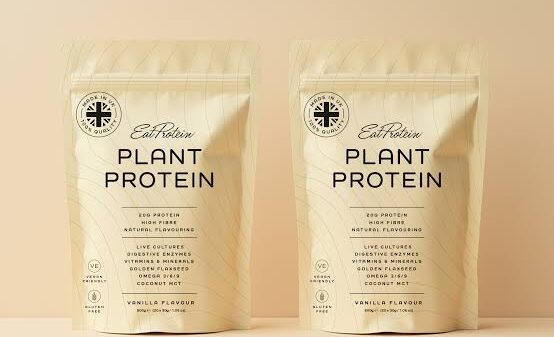



















For over a decade and a half, my perspective on chocolate has undergone a significant transformation. This shift wasn’t driven by a mere obsession, but by a fundamental realization about the nature of the food we consume. We are currently witnessing a major transition in the food industry where everything is becoming “functional.” From protein-enriched cereals to vitamin-infused waters, the industry is racing to provide nutrition that goes beyond basic sustenance. While the increased consumer interest in health is positive, much of this functional food feels like a culinary compromise, often suffering from unusual textures or lingering aftertastes.
The core issue stems from a widespread industry assumption: to make food healthier, you must subtract something—be it sugar, fat, or calories. However, a more profound question remains largely unasked. Perhaps the problem isn’t the quantity of certain ingredients, but the specific types we choose to use.
The Biological Difference Between Sugars and Metabolic Response
A common misconception is that all sugars are processed by the body in the same way. In reality, the physiological impact of different sugars varies dramatically. Conventional sucrose breaks down rapidly, flooding the bloodstream and forcing the body to mount a sharp insulin response. This cycle of rapid spikes and subsequent crashes is responsible for the lethargy and cravings many people experience shortly after consuming traditional sweets.
The scientific foundation for a better alternative began in 1995 with the work of Dr. Johannes Coy. While researching cellular metabolism, he identified the TKTL1 gene, which acts as a metabolic gatekeeper. His research revealed that different sugars follow entirely different pathways within our cells. While traditional table sugar has a glycemic index (GI) of 65, other naturally occurring sugars behave quite differently. For instance, Tagatose—found in small amounts in dairy and some fruits—has a glycemic index of only 3. Galactose, another sugar naturally present in milk, has a GI of 20. These are not just minor statistical variations; they represent a completely different metabolic experience for the body, even when the perceived sweetness remains the same.
Applying Molecular Science to Premium Confectionery
Chocolate is perhaps the most emotionally significant food in our culture. For many, the joy of eating it is often tempered by a sense of nutritional guilt. For years, the industry has accepted this trade-off between pleasure and health as an unchangeable reality. However, by applying the science of rare sugars, it is possible to rewrite this narrative. By utilizing sugars like Tagatose and Galactose, we can create chocolate that maintains its traditional texture and flavor profile while eliciting a much more stable response from the body.
This approach has led to the development of milk chocolate formulations that prioritize metabolic health without sacrificing the sensory experience. These innovations are backed by health claims recognized in the EU and UK, confirming a lower blood glucose rise compared to traditional sweets. Furthermore, by moving away from conventional sugar, these formulations can be enriched with high fiber and essential nutrients like Vitamin E (specifically in the form of Tocotrienols), which helps protect cells against oxidative stress. This represents a shift toward “Intelligent Indulgence”—confectionery that contains no artificial sweeteners or added fructose, but is instead built on decades of molecular research.
The Evolution of Taste-First Functional Foods
The ultimate challenge for the future of food is balancing high-level function with genuine culinary appeal. Often, when a product starts with a focus on “function” and tries to add “taste” later, the result is underwhelming. The alternative is to respect the heritage of the food first—starting with the flavor and texture that people love—and then using science to re-engineer the underlying components.
By rethinking the molecular makeup of ingredients from the ground up, we can create products that perform as well as they taste. This is the difference between a food that feels like a diet restriction and one that feels like a genuine advancement. When we address the specific types of sugar used in chocolate rather than just the amount, the need for guilt disappears. The goal is to move toward a world where indulgence is no longer a compromise, but a smart choice backed by science.
A New Era of Health-Conscious Indulgence
The traditional narrative that chocolate must be a “guilty pleasure” is being dismantled by advances in molecular biology. By understanding how the TKTL1 gene and different sugar types like Tagatose and Galactose interact with our metabolism, it is now possible to enjoy the luxury of milk and dark chocolate without the typical blood sugar spikes. This transition toward scientifically-backed, high-fiber, and nutrient-dense confectionery marks a turning point in the food industry, proving that we can enjoy the foods we love while supporting our long-term health goals.