

















When discussing the health of our veins, the conversation often centers on genetics, aging, or the physical demands of standing for long periods. While these are undoubtedly significant factors in the development of varicose veins and other circulatory issues, nutrition is a frequently overlooked component of vascular wellness. Emerging research underscores the profound impact that dietary choices have on the structural integrity and functionality of the circulatory system.
Every meal provides the building blocks for our body’s tissues, including the delicate walls of our blood vessels. Nutrition influences how well blood flows, the level of systemic inflammation, and the body’s ability to repair damaged vascular tissue. From maintaining fluid balance to ensuring the flexibility of vein walls, the nutrients we consume play a pivotal role in how our vascular system performs daily.
Although a healthy diet is not a universal cure for pre-existing vein conditions, it serves as a powerful tool for management and prevention. By combining mindful eating habits with professional medical guidance, individuals can significantly enhance their circulatory health and overall quality of life.
The Biological Mechanics of the Venous System
To appreciate the role of nutrition, one must first understand the complex job veins perform. These vessels are tasked with returning deoxygenated blood back to the heart. This process is particularly challenging in the lower extremities, where blood must travel upward against the persistent force of gravity.
To facilitate this upward movement, veins are equipped with one-way valves that prevent blood from flowing backward. Additionally, the contraction of leg muscles acts as a secondary pump to move blood along. When vein walls weaken or valves become compromised, blood can pool in the vessels, leading to the visible bulging of varicose veins and other uncomfortable symptoms. While we cannot change our age or genetic makeup, we can use nutrition to support the strength of these vessels and reduce the inflammatory markers that often contribute to their decline.
Combating Vascular Inflammation Through Dietary Choices
Modern medicine is increasingly focused on the role of chronic, low-grade inflammation in various diseases, including vascular dysfunction. While acute inflammation is a natural part of the healing process, persistent inflammation can degrade the lining of blood vessels, altering their structure and making them less efficient at transporting blood.
Dietary patterns high in highly processed foods, refined sugars, and trans fats are known triggers for systemic inflammation. These foods can exacerbate existing vein problems and contribute to the sluggishness of the circulatory system. Conversely, a diet rich in whole, unprocessed foods—such as leafy greens, nuts, and vibrant fruits—provides the antioxidants necessary to neutralize oxidative stress and protect the vascular lining from inflammatory damage.
The Importance of Vitamin C for Structural Vein Integrity
Vitamin C is perhaps the most critical nutrient for maintaining the physical structure of blood vessels. It serves as a fundamental precursor to collagen production. Collagen is the primary protein responsible for the strength and elasticity of connective tissues, including those that make up the walls of your veins.
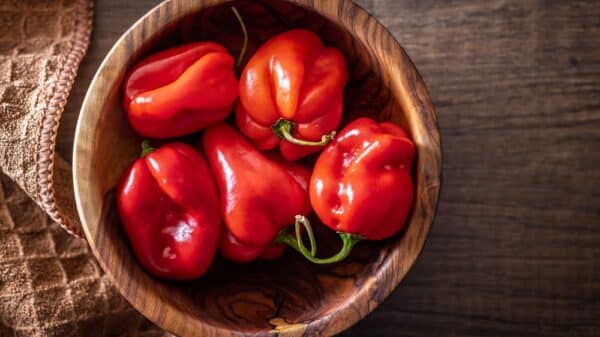
When Vitamin C levels are chronically low, the body may struggle to maintain the resilience of these tissues, increasing the risk of vascular fragility. Incorporating Vitamin C-rich foods—such as citrus fruits, bell peppers, and strawberries—helps ensure that the body has a steady supply of the materials needed to keep vein walls robust and capable of withstanding internal pressure.
The Connection Between Dietary Fiber and Reduced Venous Strain
While fiber is primarily recognized for its role in digestive health, its benefits for the circulatory system are significant, albeit indirect. A high-fiber diet helps regulate cholesterol levels and aids in weight management, both of which are beneficial for heart and vein health.
Perhaps most importantly, fiber prevents constipation. Chronic straining during bowel movements increases intra-abdominal pressure, which in turn places extra stress on the veins in the legs. By consuming plenty of legumes, whole grains, and vegetables, you can reduce this unnecessary pressure and support smoother circulation throughout the lower body.
Optimal Hydration for Improved Blood Viscosity and Flow
Hydration is a cornerstone of vascular health. Water is essential for maintaining adequate blood volume and ensuring that blood remains at an optimal consistency for easy travel through the vessels. When the body is dehydrated, blood can become more “thick” or viscous, forcing the veins to work harder to move it toward the heart.
While staying hydrated cannot single-handedly fix diseased veins, it supports the body’s natural circulatory processes and may alleviate the feelings of heaviness and fatigue often associated with poor circulation. Developing the habit of consistent water intake is one of the simplest yet most effective ways to support your vascular system.
Maintaining a Healthy Weight to Alleviate Circulatory Pressure
Body weight has a direct correlation with venous health. Every extra pound adds to the load the circulatory system must carry, specifically increasing the pressure on the leg veins. This increased demand can accelerate the wear and tear on venous valves, making circulation less efficient over time.
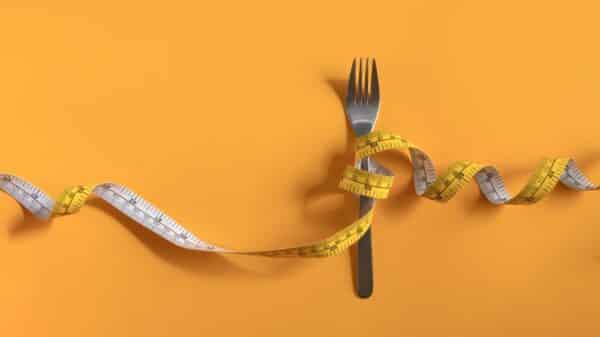
Nutrition is the most effective tool for long-term weight management. By focusing on nutrient-dense, whole foods, individuals can achieve a healthier weight, thereby reducing the physical strain on their veins. Lowering this “load” can mitigate symptoms and prevent the progression of many circulatory issues.
A Nutritional Blueprint for Long-Term Vascular Wellness
The most effective way to support your veins is to focus on a diverse array of whole foods. Fruits and vegetables offer essential antioxidants that protect vessels from oxidative stress. Healthy fats found in olive oil, avocados, and fatty fish support the overall health of the heart and endothelium (the inner lining of the blood vessels).
Whole grains provide the fiber necessary for pressure management, while lean proteins supply the amino acids required for tissue repair. Rather than searching for a single “miracle” food, the goal should be a balanced, consistent approach to eating that nourishes the entire circulatory network.
Identifying Symptoms That Require Professional Medical Intervention
It is important to recognize that while nutrition is a powerful supportive measure, it cannot always overcome advanced vein disease or genetic predispositions. In many cases, medical intervention is necessary to address damaged valves or severely dilated veins. Symptoms such as persistent leg swelling, a constant heavy sensation in the limbs, or visible skin changes should be evaluated by a healthcare professional.
If you are experiencing these symptoms, seeking a consultation with a vascular specialist can provide you with a comprehensive diagnosis and a personalized treatment plan. A strategy that combines healthy lifestyle choices with modern medical treatments offers the best chance for long-term recovery and symptom relief.
A Holistic Strategy for Maintaining Circulatory Vitality
True vascular health is achieved through a combination of several pillars: proper nutrition, consistent physical activity, adequate hydration, and timely medical care. Exercise strengthens the muscles that help pump blood, while a healthy diet provides the essential nutrients needed for vessel maintenance.
By integrating these habits, you create a comprehensive support system for your body. When you take proactive steps to nourish your veins and keep your body moving, you improve not just your circulation, but your overall vitality and long-term well-being.
Summary: The Vital Connection Between Diet and Vein Health
The relationship between what we eat and the health of our veins is a critical aspect of vascular care. By choosing foods that reduce inflammation, support collagen production, and aid in weight management, we can provide our circulatory system with the resources it needs to function efficiently. While nutrition is not a replacement for medical treatment in advanced cases, it remains one of the most accessible and effective ways to protect your vascular health from the inside out. Ultimately, maintaining healthy veins is a lifelong commitment involving a balance of smart dietary choices, an active lifestyle, and professional medical guidance when needed.