




















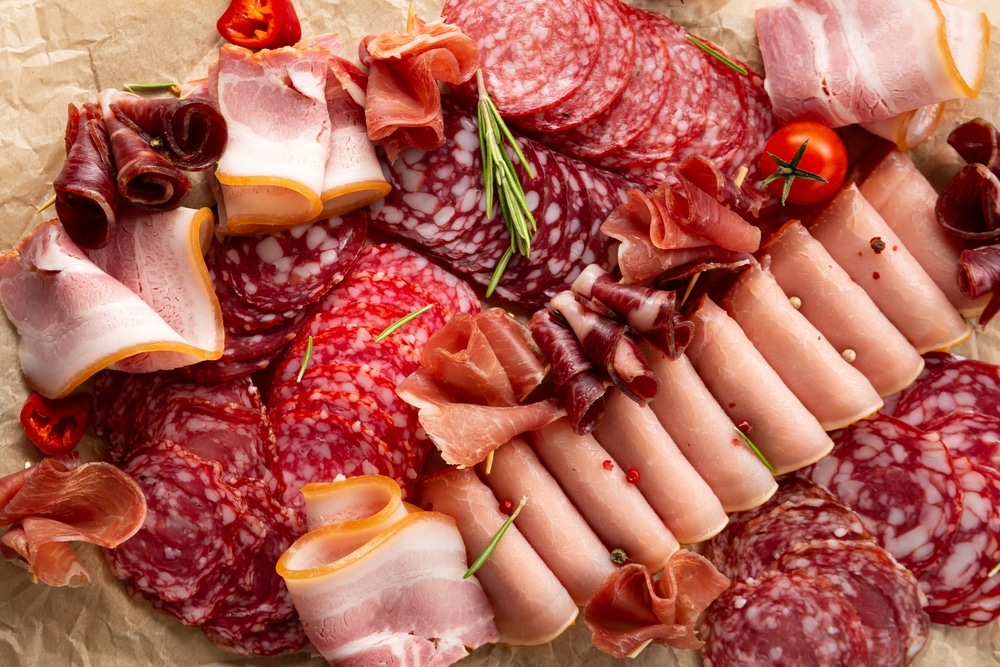
Analyzing the statistical relationship between processed meat consumption and the development of colorectal cancers provides essential clarity for public health. In 2018, the International Agency for Research on Cancer (IARC), a specialized branch of the World Health Organization, released a definitive report categorizing processed meats—such as bacon, ham, sausages, and deli meats—as Group 1 carcinogens. This classification places these foods in the same category as tobacco and asbestos, a decision that prompted significant debate regarding how we perceive dietary risks.
Evaluating the Carcinogenic Evidence of Processed Meats
It is important to understand that the IARC classifications represent the strength of the scientific evidence proving that a substance causes cancer, rather than the level of risk associated with it. While plutonium and processed meats are both Group 1 carcinogens, they do not pose the same degree of immediate danger. The classification simply confirms that there is sufficient scientific certainty that eating processed meat causes cancer in humans. Data indicates that consuming just 50 grams of processed meat daily—roughly equivalent to one hot dog, two slices of ham, or two breakfast links—increases the relative risk of colorectal cancer by 18%.
Interpreting the Statistics: Absolute vs. Relative Risk
To put an 18% increased risk into perspective, one must distinguish between relative and absolute risk. If the average lifetime risk of developing colorectal cancer is approximately 5% (or 1 in 20), an 18% relative increase raises the absolute risk to about 6%. While a 1% absolute increase may seem small to an individual, the impact on a national level is substantial. In the United States alone, eliminating a daily serving of processed meat could prevent an estimated 25,000 cases of colorectal cancer annually. Replacing a bologna sandwich with plant-based alternatives like hummus or veggie dogs can significantly shift these population-wide outcomes.
Comparing Dietary Hazards to Secondhand Smoke
Colorectal cancer remains the second leading cause of cancer-related mortality in the United States when combining data for men and women. For non-smokers, it represents one of the most significant oncological threats. The risk associated with a single daily serving of processed meat (18%) actually mirrors the risk of developing lung cancer from living with a smoker, which the Surgeon General estimates at 15%. This comparison highlights that daily dietary choices can be as influential on long-term health outcomes as environmental exposure to known toxins.
The Broader Health Impact: Mortality and Chronic Disease
The health implications of processed meat extend far beyond oncology. While approximately 37,000 annual deaths from colorectal cancer are linked to high consumption, the broader impact includes nearly 400,000 deaths from heart disease and 100,000 deaths related to diabetes. When these comorbidities are factored in, processed meat consumption is associated with nearly half a million deaths per year. Furthermore, emerging research suggests that these foods may also elevate the risks for prostate, pancreatic, and breast cancers, suggesting a much wider systemic health impact than previously recognized.
Addressing the Gap in Clinical Nutrition and Public Policy
Despite the scientific consensus, consumption patterns in the United States have remained largely unchanged over the last two decades. A primary factor may be the lack of clear communication from regulatory bodies. Recent Dietary Guidelines for Americans failed to include an explicit warning regarding the carcinogenic nature of processed meats. This lack of guidance extends to clinical settings as well; roughly 70% of cancer patients report that they never received nutritional advice from their medical team during or after their treatment. This gap in patient education leaves many individuals unaware of the lifestyle changes that could improve their prognosis.
Industry Tactics and Progressive Policy Shifts
The meat industry has often utilized strategies similar to those of the tobacco industry to maintain market share, including attempts to reformulate products rather than acknowledging the inherent risks. Some companies have explored adding fiber to processed meats to mitigate their negative effects—a strategy akin to prescribing a drug to treat the side effects of another drug. However, some jurisdictions are taking more direct action. New York City, for instance, has moved to ban processed meats from school lunch programs to protect children from early exposure to known carcinogens.
Summary of Diet-Related Cancer Prevention
The evidence linking processed meats to colorectal cancer is robust and supported by the highest levels of international research. While the meat industry continues to prioritize convenience and product reformulation, the most effective way to reduce personal risk is through dietary modification. By removing just 50 grams of processed meat from the daily diet, individuals can significantly lower their chances of developing the nation’s second-deadliest cancer. Transitioning toward whole, plant-based foods not only mitigates cancer risk but also addresses the significant burden of heart disease and diabetes associated with processed meat consumption.