




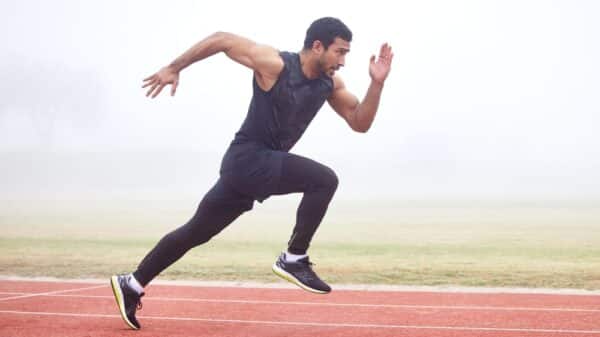



While the passage of time is inevitable, the rate at which our bodies decline is surprisingly flexible. Biological age often differs from the number on a birthday cake, and much of this discrepancy comes down to functional mobility and lifestyle choices. Those who prioritize movement and nutrition often find that their bodies remain resilient and capable well into their later decades.
Your body is constantly communicating its status to you through physical performance. Think of these markers not just as exercises, but as vital signs for longevity. If you can perform the following tasks with ease, you are likely aging with a high degree of functional efficiency.
1. Get Up From the Floor Without Using Hands
The ability to transition from a seated position on the floor to a standing one without using your hands, knees, or elbows for support is one of the most significant indicators of longevity. Known in the medical community as the Sitting-Rising Test (SRT), this movement requires a complex harmony of leg strength, joint flexibility, and neuromuscular coordination.
When you rely on your hands to push off the ground, it often indicates a deficit in core stability or lower-body power. Research has shown a strong correlation between high scores on this test and lower mortality rates, as it serves as a snapshot of your body’s overall structural integrity.
2. Walk at a Healthy Pace
In geriatric medicine, gait speed is frequently referred to as the “sixth vital sign.” How quickly and confidently you walk reflects the health of your cardiovascular system, your nervous system, and your skeletal muscles. A brisk, steady pace suggests that your heart and lungs are efficiently delivering oxygen to your muscles and that your brain is effectively coordinating complex movement patterns.
A slowing gait can sometimes be a precursor to cognitive decline or physical frailty. If you find yourself naturally keeping up with a fast-moving crowd or crossing a street well before the light changes, it is a clear sign that your internal systems are functioning at a high level.
3. Balance on One Leg for 10 Seconds
Balance is a “use it or lose it” skill that governs your risk of injury as you age. Standing on one leg for at least 10 seconds without wobbling or reaching for a support beam tests your proprioception—the body’s ability to sense its position in space.
Every step we take is essentially a brief moment of single-leg balance. As we age, the sensory input from our joints and the processing speed of our inner ear can diminish. Maintaining this ability is crucial for fall prevention, which is a major factor in maintaining independence during the senior years. If you can hold this pose easily, your neurological pathways and stabilizing muscles are in excellent shape.
4. Strong Grip
It might seem strange that the strength of your hand could predict the health of your heart, but grip strength is a well-documented proxy for total body muscle mass and vitality. A weak grip often signals systemic muscle loss (sarcopenia) and has been linked to an increased risk of cardiovascular issues.
Functionally, a strong grip allows you to remain independent, whether you’re opening heavy doors or carrying your own luggage. A simple way to gauge this at home is the “rapid fire” finger tap or the ability to carry weighted objects for a sustained period. If your hands feel powerful and capable, it’s a good sign that your overall muscular health is robust.
5. Chair Stands Without Using Your Arms
The “sit-to-stand” movement is the ultimate test of functional lower-body power. By crossing your arms over your chest and standing up from a chair repeatedly, you are testing the strength of your glutes, quads, and core. For those over the age of 60, being able to perform 12 or more of these in a short window is an excellent benchmark for physical autonomy.
Relying on the armrests of a chair to stand up is a subtle hint that the lower body is losing its explosive power. Maintaining the ability to stand unaided ensures you can navigate daily life—from using the restroom to exiting a vehicle—without needing assistance.
6. Touch Your Toes
Flexibility is often the most neglected pillar of fitness, yet it is essential for preventing chronic pain. The ability to touch your toes (or come very close) indicates that your hamstrings, calves, and lower back have a healthy range of motion.
Stiffness in these areas can lead to a tilted pelvis, poor posture, and eventually, chronic back pain or a shuffling gait. Flexibility keeps your joints lubricated and your muscles supple, acting as a shock absorber for the body. If you can reach your feet with ease, you are protecting your spine from the rigidness often associated with aging.
7. Good Memory
Healthy aging is not just a physical endeavor; it is a cognitive one. A sharp memory and the ability to maintain focus are indicators of neuroplasticity—the brain’s ability to form and reorganize synaptic connections.
The brain and body exist in a feedback loop; physical exercise improves blood flow to the brain, while a sharp mind encourages an active lifestyle. If you find it easy to recall details, learn new skills, or navigate complex social environments, your brain is demonstrating a high level of “cognitive reserve,” which is a hallmark of aging well.
Final Thoughts
If you find that some of these tasks are more difficult than they used to be, it is important to view them as opportunities rather than failures. The human body is remarkably adaptable at any age. Strength, balance, and flexibility are all skills that can be reclaimed through consistent, purposeful movement. By treating these seven markers as a personal health dashboard, you can make informed adjustments to your lifestyle that will support long-term vitality and independence. Focus on progress over perfection, and remember that it is never too late to improve your functional age.