

















What is the optimal dietary approach for addressing leaky gut syndrome? Which specific foods and nutrients can enhance the health of our intestinal barrier?
The Importance of Our Gut Health
The gastrointestinal tract serves as our primary line of defense against external elements. While we often think of our skin and respiratory system when considering environmental exposure, the food we consume is arguably the most significant factor. Under normal circumstances, our gut functions as a selective barrier, allowing only beneficial substances to enter the bloodstream. However, various factors, particularly our dietary choices, can compromise this integrity, leading to a phenomenon known as leaky gut.
The Impact of Diet on Gut Integrity
A conventional Western diet is frequently linked to gut dysbiosis, a disruption in the natural balance of gut bacteria. This imbalance can result in chronic inflammation and increase the permeability of the intestinal lining. As a consequence, undigested food particles, bacteria, and toxins may permeate the gut barrier, potentially inducing systemic inflammation throughout the body.
The Role of a Plant-Based Diet
To prevent dysbiosis and promote a healthy gut, adopting a predominantly plant-based diet is advisable. Studies have shown that individuals who consume vegetarian diets exhibit improved gut microbiome diversity and maintain the integrity of their intestinal barriers. High in fiber, these diets foster the growth of beneficial gut bacteria, which in turn produce short-chain fatty acids (SCFAs). These compounds are crucial for nourishing the cells that line the gut, thereby reinforcing the intestinal barrier.
Whole Foods and Their Benefits
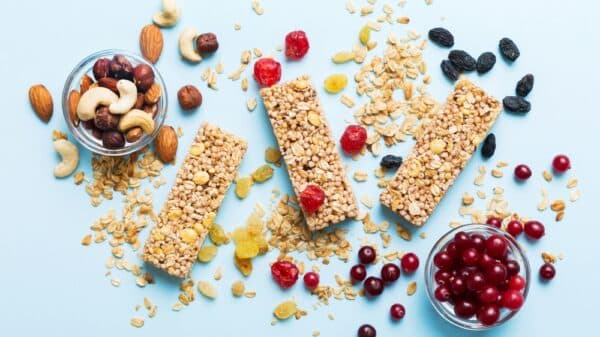
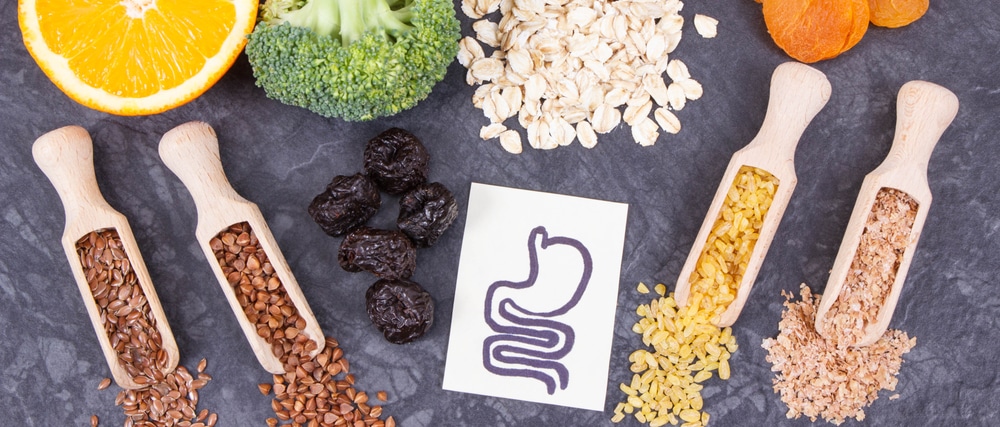
Research indicates that a diet rich in whole foods, including whole grains, legumes, fruits, vegetables, nuts, and seeds, can lower levels of zonulin, a protein that destabilizes the tight junctions between intestinal cells. Elevated zonulin levels are indicative of a compromised gut barrier, making its reduction a vital goal. Although specific studies lacked control groups, the correlation between fiber intake and gut permeability suggests that a fiber-rich diet could substantially improve gut health.
Evidence from Clinical Studies
Clinical trials further support the role of dietary fiber in enhancing gut barrier function. For instance, a randomized study involving healthy young men revealed that consuming pasta with added fiber led to significant reductions in zonulin levels compared to a control group. This suggests that dietary modifications can be effective strategies for managing gut permeability issues.
Specific Nutrients and Their Impact
In addition to fiber, specific plant compounds have garnered attention for their protective effects on the gut. Curcumin, found in turmeric, has demonstrated potential in protecting against intestinal damage caused by common medications in animal studies. Similarly, sulforaphane, a compound in broccoli, shows promise in preclinical models. While human studies are still pending, preliminary evidence, such as trials using turmeric, indicates its potential benefits for gastrointestinal health.
The Role of Zinc
Another nutrient frequently highlighted in discussions about leaky gut is zinc. Practitioners in alternative medicine often recommend zinc supplementation for its protective qualities against intestinal damage. Studies have indicated that zinc can mitigate the increased gut permeability associated with certain medications. Notably, improvements in gut integrity have been observed with relatively low doses, suggesting dietary sources of zinc, such as lentils, can contribute meaningfully to gut health.
Conclusion
Maintaining a healthy gut is crucial for overall well-being, and dietary choices play a significant role in preserving intestinal barrier integrity. By embracing a diet rich in whole, plant-based foods, individuals can not only improve gut health but also enhance their overall quality of life. To effectively combat leaky gut, consider integrating fiber-rich and nutrient-dense foods into your diet and exploring the benefits of specific compounds like curcumin and zinc for optimal digestive health.