







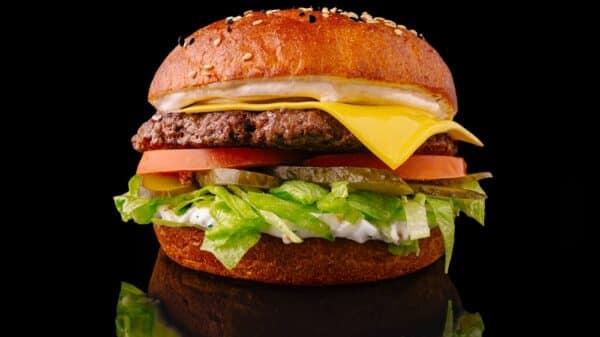







For bodybuilders and individuals aspiring to gain muscle mass, enjoying a hearty meal after a workout has become a common practice to boost protein intake. However, emerging research reveals that the leaness of the meat consumed may significantly influence how quickly protein synthesis occurs. Here’s what you should know. A study published in the American Journal of Clinical Nutrition aimed to explore how varying meat compositions affect muscle-building outcomes following exercise.
How was the study conducted?
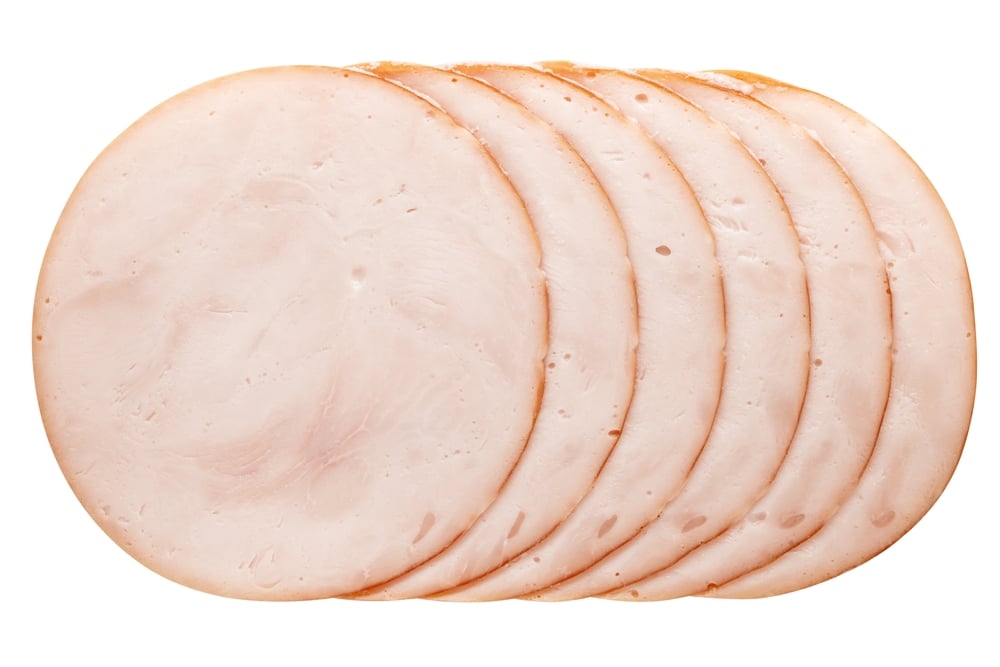
A team of researchers from the University of Illinois Urbana-Champaign examined the impacts of high-fat pork, low-fat pork, and a carbohydrate meal serving as a control. The high-fat pork provided 20 grams of protein alongside 20.6 grams of fat, while the low-fat version contained the same amount of protein but only 4.4 grams of fat. The carbohydrate control meal had no protein or fat. Sixteen active adults participated in this trial, giving blood samples and undergoing muscle biopsies both at rest and post-exercise to assess various plasma markers.
What were the findings?
The study revealed that both high and low-fat pork effectively stimulated muscle protein synthesis, as anticipated. However, the low-fat pork showed a remarkable 47% greater impact compared to its high-fat counterpart following physical activity. This finding is particularly intriguing since both meat types provided an identical source of protein. “Our work demonstrated that additional nutrients within the food matrix, beyond the total protein or Essential Amino Acids consumed, can influence the regulation of Muscle Protein Stimulation in healthy individuals,” the report concluded.
While the limited sample size presents some limitations, the findings offer athletes newfound considerations regarding their post-exercise meat choices. One hypothesis suggests that the higher fat content may result in slower digestion, thereby delaying the presence of proteins in the bloodstream. Consequently, the overall protein synthesis rates may equalize between low and high-fat meats. Nonetheless, athletes aiming for quicker recovery after intense sessions, or competing in events like triathlons, might benefit from prioritizing leaner meats to optimize protein synthesis speed.