














After an injury, a health reporter explored herbal remedies with expert advice. The uplifting impact was an unexpected bonus.
Work life can feel overwhelming. Everyone needs a fulfilling hobby to redirect mental energy and foster joy. During the pandemic, I discovered trapeze flying. It’s thrilling yet carries some risk. A few months ago, I experienced a significant fall, leading doctors to initially suspect a hip fracture.
Thankfully, it wasn’t broken, but my recovery journey was going to be challenging. With each small milestone reached, my physical therapist cautioned, “Don’t expect this injury to leave you right away.”
She was right. As someone accustomed to walking, yoga, and strength training, remaining sedentary felt nearly unbearable. Even as I followed my recovery plan and gradually resumed normal activities, I experienced lingering discomfort and inflammation, particularly after exercising or long days. Relying on over-the-counter pain medications felt uneasy to me for managing everyday soreness.
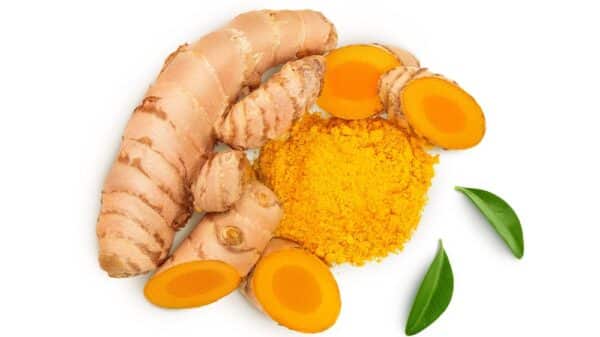
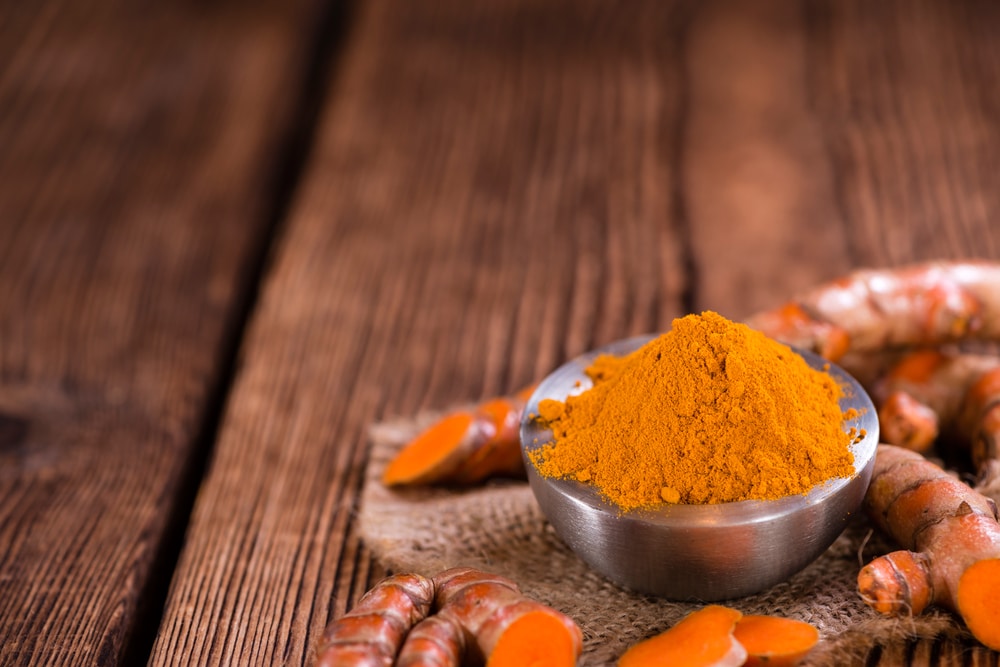
At that point, turmeric came to mind as a possible solution. Living in Southeast Asia, I had learned that this “golden spice” has been a staple in traditional medicine for centuries, known for alleviating pain and reducing swelling. Today, turmeric is often taken as a supplement, primarily in the form of curcumin, its active component.
To gain clarity on this, I reached out to Lily Lichtenstein, a clinical dietitian at Tufts Medical Center. I wanted to understand what scientific research supports turmeric and what I could reasonably expect for my health. Here’s what she elaborated on (and as always, consult your doctor before introducing any new supplements).
About the Expert
Lily Lichtenstein, RD, LDN, is a clinical dietitian specializing in critical care and oncology nutrition at Tufts Medical Center. Besides her clinical responsibilities, she runs a private practice focusing on sports nutrition to help athletes maximize performance through dietary strategies.
Recent Research on Turmeric
It’s essential to distinguish between turmeric and curcumin. The supplement form often provides a much higher concentration of curcumin than what’s found in the typical spice jar.
“Current research shows that turmeric, specifically its bioactive compound curcumin, may help reduce inflammation, joint pain, oxidative stress, and unfavorable metabolic markers,” Lichtenstein explains. She references a 2024 systematic review of 103 studies published in Phytotherapy Research that substantiates curcumin’s anti-inflammatory properties. It found that individuals taking curcumin showed notable improvements in markers linked to inflammation and metabolic health, including blood sugar levels, cholesterol, and body weight.
Lichtenstein notes these benefits often appear in laboratory results rather than noticeable symptom relief. However, some individuals—especially those experiencing joint discomfort—might notice signs of improvement with consistent intake. A 2025 review published in the Journal of Rheumatic Diseases supports this, suggesting curcumin’s impact on joint pain and inflammation can be comparable to NSAIDs.
How to Use a Turmeric Supplement
A challenge with turmeric supplements lies in the varying dosages, forms, and duration across different studies, Lichtenstein points out. “Further research is necessary to establish the optimal dosage and formulation needed for desired outcomes,” she continues. Still, she offers practical advice based on current studies.
“When selecting a turmeric supplement, seek one formulated with curcumin, well-known for most of turmeric’s health benefits,” she advises. “Curcumin has low absorption rates when taken alone; therefore, formulations containing black pepper extract (piperine) or those designed to enhance absorption tend to deliver better results.”
Taking curcumin with meals rich in healthy fats may boost its absorption. Most research supports daily doses ranging from 500 to 1,500 milligrams (mg). “While there’s no specific ideal time of day to take it, consuming it with food and possibly splitting the dosage can help improve tolerance,” says Lichtenstein.
Curtailing mild stomach issues is common, though curcumin can interact with certain medications, including blood thinners. Thus, consulting your doctor prior to starting any supplement is crucial.
I also made a point to stay committed to my physical therapy, ensuring plenty of rest (which is a challenge for someone as active as I am) and emphasizing a nutrient-dense diet. I reached out to my orthopedic physician to confirm the safety of my new regimen.
Piping Rock Turmeric Curcumin Supplement
My Experience with the Turmeric Supplement
After my doctor gave me the green light, I started with a Piping Rock supplement that provided 500 milligrams of curcumin and 3 milligrams of black pepper extract per capsule. I took one capsule each morning with oats and Greek yogurt for better absorption. A week in, with no stomach issues, I upped my dosage to 1,000 milligrams in the morning.
As Lichtenstein informed me, the positive effects of curcumin are generally subtle and gradual. Yet for someone like me, dealing with persistent joint stiffness and inflammation post-injury, I anticipated slight improvements with regular intake.
After several weeks, I returned to my daily walking routine. The aches after exercising were notably reduced, particularly in my hip. Importantly, I stopped reaching for ibuprofen after workouts. The soreness didn’t vanish completely but became more manageable with stretching, ice or heat, and rest. Thanks to curcumin’s anti-inflammatory properties working quietly in the background, I experienced less stiffness each morning, even after intense physical activity.
Interestingly, my mood also saw a positive shift. The ability to be active played a role, alongside the reduction in discomfort. Additionally, emerging research indicates curcumin may positively impact the nervous system. A 2025 article published in Frontiers in Pharmacology explores potential effects, including possibly calming the body’s stress responses and supporting protection against disorders like depression and cognitive decline.
According to Lichtenstein, “Curcumin should be viewed as a long-term supportive addition to your health strategy. It may contribute to overall wellness when combined with a balanced diet and healthy lifestyle choices, rather than as a quick fix.”
While turmeric isn’t a miracle cure, its role in facilitating my recovery has earned a consistent spot in my morning routine—not only for lingering joint challenges but also as part of a broader strategy for managing inflammation over time.