

















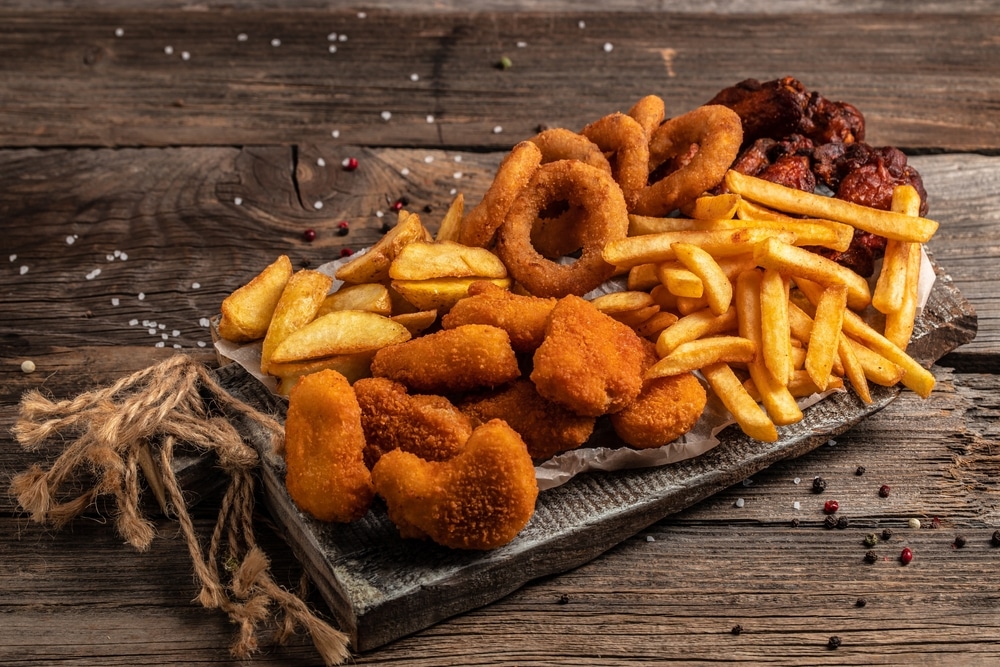
Understanding the health implications of our dietary choices is essential, especially when it comes to fried foods. Emerging research highlights a potentially troubling connection between glycidol, a chemical compound found in certain cooking oils, and an increased cancer risk for those who frequently consume fried foods.
The Science Behind Frying and Health Risks
Frying is a cooking method designed to produce delicious, appealing foods. However, food scientists have begun to focus on the toxic compounds generated during this process. While we have been refining vegetable oils for over a century, only recently have we recognized the concerning by-products, including glycidol and 3-MCPD.
The Carcinogenic Nature of Glycidol
Glycidol is classified as a genotoxic carcinogen, meaning it has the potential to cause cancer by damaging DNA directly. In contrast, 3-MCPD, while also harmful, is a nongenotoxic carcinogen and is regulated with a tolerable daily intake level. The danger of glycidol is alarming; even minuscule doses can contribute to cancer risk, which necessitates stringent monitoring and avoidance strategies.
Assessment of Risk Levels
A lifetime cancer risk threshold often cited is one in 100,000. However, laboratory studies indicate that this risk could be exceeded with daily glycidol exposures of less than one microgram for a person weighing around 150 pounds. Alarmingly, average glycidol exposure may already exceed 50 micrograms, especially in children, where intake could potentially surpass the acceptable risk by 200-fold.
Fried Foods and Chronic Illness
The association between fried food consumption and chronic illness has been noted in various studies. For instance, research involving over 100,000 women revealed that frequent intake of fried foods, particularly fried chicken and fish, was correlated with shorter lifespans, predominantly linked to cardiovascular issues rather than direct cancer-related death. However, a more concerning correlation exists among men, where higher fried food consumption has been linked to a 35% increase in prostate cancer risk, warranting cautious dietary choices.
Concerns in Infant Nutrition
The presence of refined oils, and thereby glycidol, in infant formulas adds another layer of concern, especially for those unable to breastfeed. The German Federal Institute for Risk Assessment has concluded that infants consuming commercial milk formulas may ingest harmful levels of glycidol. Similar contamination levels have been observed in U.S. formulas, amplifying the argument for breast milk as the optimal choice for infant nutrition.
Industry Challenges and Potential Solutions
The food industry faces challenges in refining vegetable oils without producing these hazardous by-products while still maintaining product quality. While it may seem daunting, a viable solution exists: consumers can choose to minimize or eliminate the use of fried foods and oils from their diets. In doing so, individuals may significantly reduce their exposure to harmful compounds like glycidol.
Healthier Dietary Alternatives
Adopting healthier cooking methods can also alleviate many health risks associated with fried foods. Methods such as baking, steaming, grilling, and poaching can provide flavorful options without the carcinogenic risks tied to frying. Additionally, incorporating a diverse range of whole foods, such as fruits, vegetables, and whole grains, can enhance overall nutrition and well-being.
Closing Thoughts
As awareness of the risks associated with certain dietary components grows, it remains crucial for individuals to make informed food choices. Reducing the intake of fried foods and opting for healthier alternatives can play a significant role in mitigating the risk of chronic diseases, including cancer. Balancing our diets with wholesome and nutrient-rich foods is essential for long-term health and wellness.