














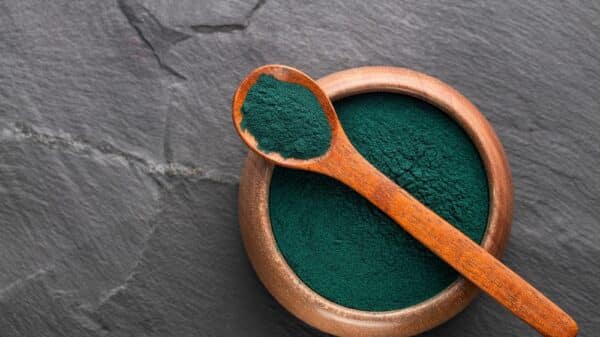




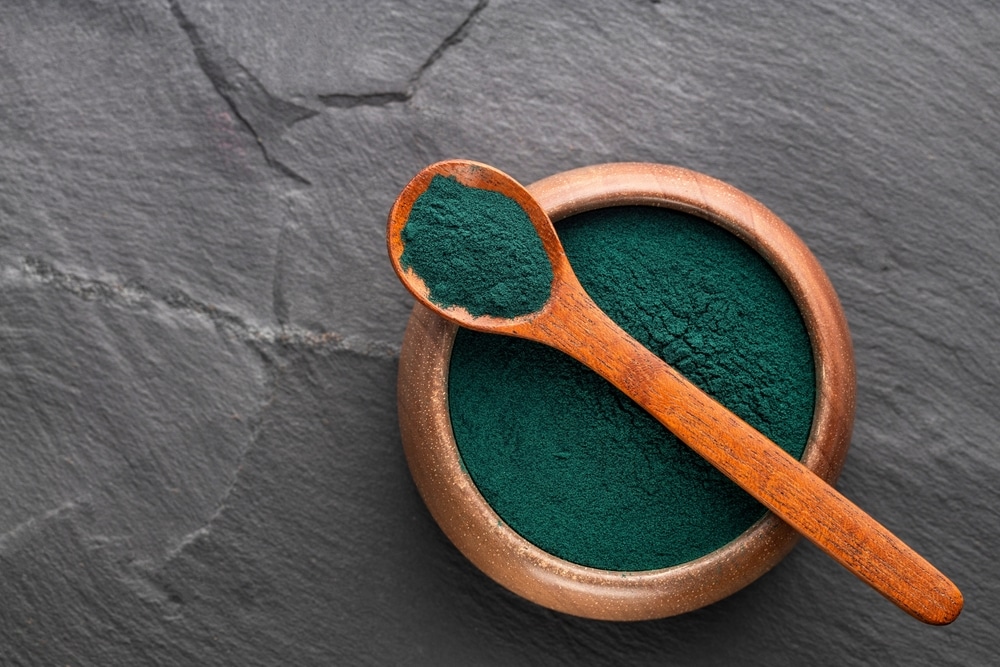
Spirulina has soared in popularity, yet many still underestimate its value. This vibrant blue-green algae grows in various locations, including the pristine waters of Hawaii, and holds a powerhouse of nutrients that make it a worthy addition to your health routine.
Widely regarded as one of the most researched superfoods in existence, spirulina is celebrated for its impressive health benefits. From energy bars to smoothies, you may have encountered spirulina as an ingredient, but its advantages go much deeper. Over 3,700 peer-reviewed articles examine its potential to rejuvenate health, leading even global aid organizations to promote its cultivation in the fight against malnutrition.
Before considering spirulina for your diet, let’s explore what makes it such an unparalleled ingredient and the impressive health benefits it offers.
What is Spirulina?
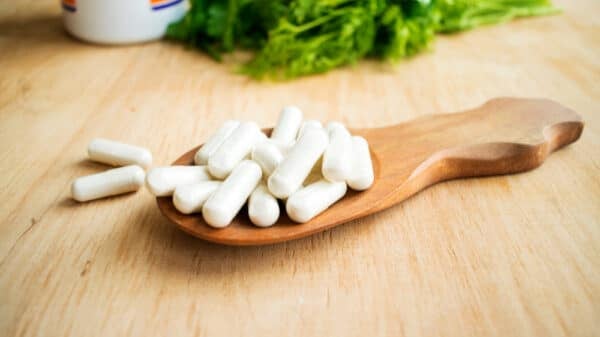
Spirulina is a type of blue-green microalgae that thrives in freshwater and saltwater environments. It includes two main species, Arthrospira platensis and Arthrospira maxima. Known for its dietary contributions in the form of tablets, flakes, and powders, spirulina has received rave reviews for boosting metabolism, stabilizing blood sugar, and warding off heart disease.
Historical accounts indicate that the Aztecs consumed spirulina, referring to it as “Tecuitlatl,” as a primary protein source. Today, Lake Texcoco continues to be a key site for harvesting this nutrient-dense algae.
Nutrition Facts
Spirulina stands out as one of the most nutrient-dense foods available. A typical one-tablespoon serving (approximately seven grams) contains:
- Calories: 20.3
- Total Carbohydrates: 1.7 g
- Fiber: 0.3 g
- Sugar: 0.2 g
- Total Fat: 0.5 g
- Saturated Fat: 0.2 g
- Polyunsaturated Fat: 0.1 g
- Monounsaturated Fat: 0.05 g
- Protein: 4 g
- Sodium: 73.5 mg (3% DV)
- Copper: 0.4 mg (44% DV)
- Iron: 2 mg (11% DV)
- Niacin: 0.9 mg (6% DV)
It also boasts various vitamins and minerals, including calcium, potassium, and omega fatty acids, making it a powerhouse for daily nutrition.
What are the Benefits of Spirulina?
Even if you can’t access the Hawaiian variety, integrating standard spirulina into your diet can yield notable benefits.
1. Detoxifying Heavy Metals
Chronic arsenic poisoning remains a serious issue in many areas worldwide. Research indicates that spirulina can effectively aid in detoxifying heavy metals, especially arsenic. One study found that participants experienced a 47% reduction in arsenic levels when consuming spirulina combined with zinc.
2. Combatting Candida
Maintaining a balanced microflora is crucial for health, as an imbalance can lead to conditions like candida overgrowth. Spirulina has shown promise as an antimicrobial, promoting healthy flora in the intestines, thereby hindering candida growth.
3. Supporting HIV/AIDS Treatment
Potential explanations for lower HIV/AIDS rates in Japan, Korea, and Chad may relate to spirulina consumption. A study demonstrated that HIV patients who consumed spirulina exhibited stable CD4 levels and some even showed clinical improvement.
4. Contributing to Cancer Prevention
Many studies have evaluated spirulina’s cancer-fighting properties. Its rich antioxidant profile suggests it can inhibit cancer cell growth, particularly in pancreatic and oral cancers.
5. Helping Lower Blood Pressure
The phycocyanin pigment in spirulina shows potential antihypertensive effects. Research indicates that spirulina may significantly reduce systolic blood pressure among individuals with hypertension.
6. Reducing Cholesterol
Observations from clinical trials indicate that spirulina can help alleviate high cholesterol levels. Participants taking spirulina saw considerable reductions in serum cholesterol compared to control groups.
7. Protecting Heart Health
Studies have illustrated spirulina’s ability to improve cardiovascular risk factors, significantly reducing high blood pressure and improving lipid profiles.
8. Enhancing Exercise Performance
Spirulina may aid muscle strength and endurance. Researchers believe it could serve as an effective supplement for enhancing overall athletic performance.
9. Alleviating Sinus Problems
Spirulina appears effective against allergic rhinitis. Studies have shown it can significantly reduce symptoms of nasal congestion and sneezing.
10. Protecting Brain Health
Spirulina supplementation may offer benefits for cognitive function. Research points to its potential in improving mental clarity in individuals with neurological conditions.
11. Supporting Eye Health
Animal studies suggest spirulina may protect against light-induced retinal damage, potentially due to its beta-carotene content.
12. Promoting Oral Health
Emergency studies have indicated that spirulina can help treat and prevent gum disease and other oral issues.
13. Assisting with Weight Management
Research shows that incorporating spirulina into the diet can help in managing body weight by reducing appetite and body fat.
14. Stabilizing Blood Sugar Levels
Emerging research supports that spirulina supplementation can aid in managing blood glucose levels effectively.
Products and Dosage Recommendations
Most studies recommend a dosage of one to eight grams of spirulina daily, with one tablespoon roughly equating to seven grams. It’s wise to start with a lower amount to gauge tolerance.
Spirulina is available in various forms, from tablets to powders, allowing easy addition to smoothies and meals.
Risks and Side Effects
While spirulina offers numerous health benefits, it’s essential to acknowledge potential side effects. Some individuals may experience digestive discomfort or allergic reactions. Consultation with a healthcare provider is advisable, especially for those with autoimmune conditions.
Spirulina vs. Chlorella
Though both are microalgae, spirulina and chlorella differ in several ways:
1. Shape
Spirulina has a spiral shape, while chlorella is spherical.
2. Growing Conditions
Spirulina thrives in alkaline waters, whereas chlorella typically grows in freshwater and requires dense environments for harvesting.
3. Preparation
Spirulina can be consumed directly due to its digestible structure, while chlorella needs to be processed to be bioavailable.
4. Nutritional Content
While both are nutritious, spirulina generally contains greater amounts of protein and essential nutrients compared to chlorella.
Final Thoughts
- Spirulina, a blue-green algae, is well-studied for its vast potential benefits.
- This superfood can aid in detoxification, immune support, and cholesterol management.
- With its extensive nutrient profile, integration into a balanced diet can enhance overall health.
- Understanding the differences between spirulina and chlorella is key when selecting supplements.
- While generally safe, it’s important to source quality spirulina to avoid contamination.