



















Surprisingly, the introduction of healthy food options can often lead consumers to make poorer nutritional choices due to a specific quirk in human psychology. While it seems logical that more variety would encourage better habits, the actual impact on behavior is frequently the opposite.
In 2017, the United States implemented a mandate for national restaurant chains to display calorie counts on their menus. The goal was to empower diners with the data needed to manage their daily energy intake. However, the results were underwhelming. Research indicates that these labels are largely ineffective, reducing the average meal by only about eight calories—a negligible difference in the context of a daily diet.
This lack of impact was somewhat predictable. Many large fast-food corporations, including McDonald’s, began voluntarily posting calorie information years before the national mandate, often following local laws that had already proven to have little to no effect on consumer behavior. Some experts suggest that these labeling practices may actually benefit the restaurants more than the consumers by enhancing the brand’s image as a health-conscious entity without actually reducing the sales of high-calorie signature items.
Why Nutritious Menu Items Can Lead to Unhealthier Decisions
There is a counterintuitive trend in food psychology: adding a healthy alternative to a menu can actually trigger more indulgent choices. This phenomenon is known as “vicarious goal fulfillment.”
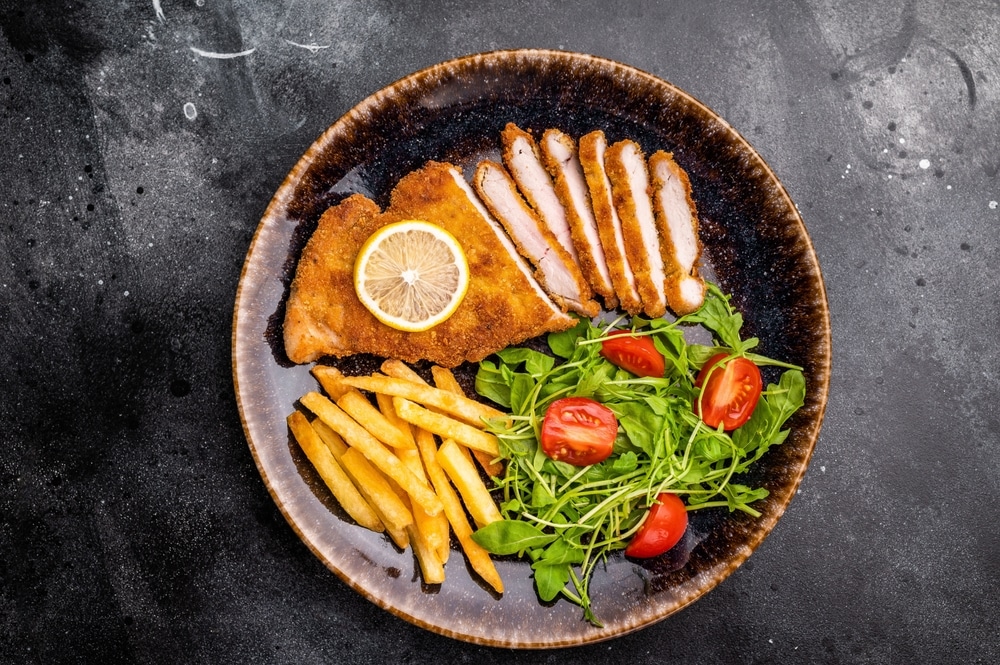
Consider a scenario where diners choose between a side of French fries or a baked potato. In controlled studies, only about 10% of participants typically choose the fries. However, when a third, even healthier option—like a side salad—is added to the menu, the preference for French fries doesn’t decrease; it triples to 33%. Even though the salad is the most nutritious choice, its mere presence makes people feel more comfortable choosing the least healthy option.
The same pattern emerges with main courses. When presented with a choice between a bacon cheeseburger, a chicken sandwich, or a fish sandwich, a certain percentage will choose the burger. If the fish sandwich is replaced with a veggie burger, the number of people opting for the bacon cheeseburger has been shown to double. Simply seeing a healthy option appears to give the brain an excuse to indulge.
The Psychological Impact of “Self-Licensing”
This behavior is driven by a concept called self-licensing. This occurs when an individual justifies a choice that moves them away from their goals because they feel they have already made progress toward those goals—or plan to do so in the future. In the context of a restaurant, seeing a salad or a veggie burger allows the diner to mentally “check the box” for healthy eating, which then provides them the psychological permission to order the most indulgent item on the menu.
This effect extends beyond food. In one study, smokers who were given what they believed to be Vitamin C supplements smoked significantly more than those who knew they were taking placebos. Because they believed they had done something beneficial for their health, they felt they could “afford” to engage in more harmful behavior. Similarly, individuals who believe they are taking weight-loss supplements have been observed to exercise less and eat more at buffets, often choosing less nutritious items and more sugary drinks.
How the “Health Halo” Distorts Calorie Perception
Another psychological hurdle is the “health halo” effect, where the presence of a healthy item makes an unhealthy item seem less problematic. When consumers are asked to estimate the calories in a burger, their guesses are relatively accurate. However, if that same burger is shown with a few celery sticks or an apple on the side, people consistently estimate the total caloric content to be lower than the burger alone.
This distortion explains why people might order more side dishes or high-sugar beverages at a restaurant perceived as “healthy” than they would at a traditional fast-food joint. Even if the main dish at the healthy-perceived restaurant is actually higher in calories, the overall “halo” of the brand leads diners to underestimate their actual intake.
The “What the Hell” Effect in Dietary Habits
Once a diner decides to indulge, they often fall victim to the “what the hell effect.” This mindset suggests that once a person has strayed from their dietary goals, they might as well go all the way. This is why people who decide to treat themselves often bypass moderate options and go straight for the most decadent choice available, such as opting for chocolate-covered cookies over standard versions when a “low-calorie” option is also present.
Ultimately, while fast-food chains may receive praise for offering salads and fruit, these items often serve more as psychological “licenses” for consumers to continue ordering high-calorie favorites. Recognizing these mental traps is the first step toward making truly health-conscious decisions when dining out.
Summary of Consumer Behavior and Food Psychology
Understanding the psychological triggers behind eating habits is essential for maintaining a healthy lifestyle. The presence of nutritious options and calorie labels does not automatically lead to better choices because our brains often use these cues to justify indulgence. To counter the “health halo” and “self-licensing” effects, it is helpful to view each food choice independently rather than letting a single “healthy” item or a future goal influence current decisions. Staying mindful of these subconscious biases can help consumers navigate menus more effectively and stay aligned with their long-term wellness objectives.