




















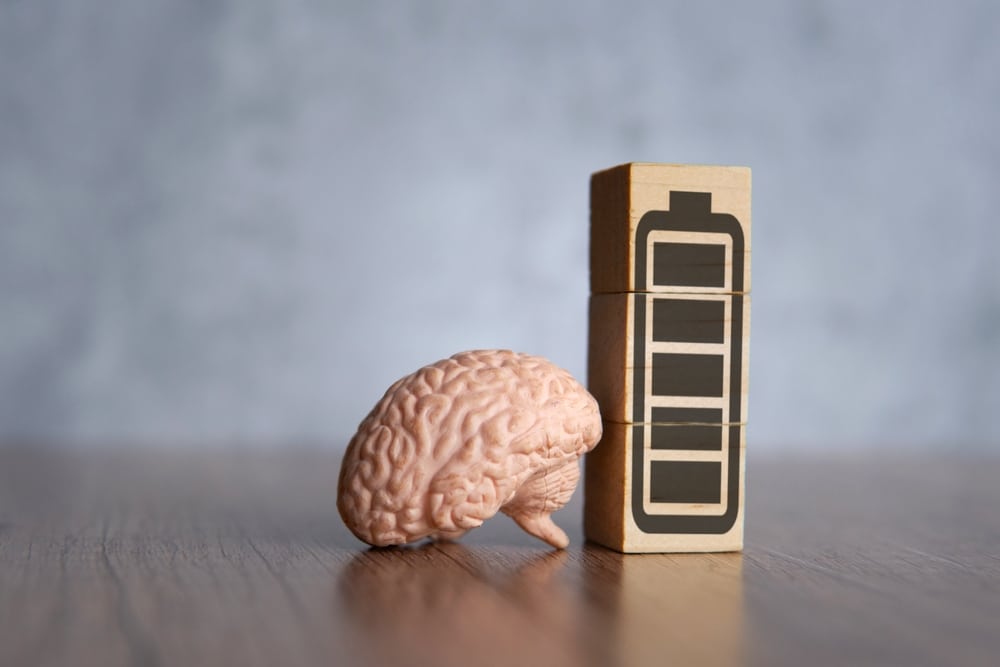
Your brain is an incredibly adaptable organ. It continues to change, rewire, and grow well beyond the early stages of life through a process known as neuroplasticity. This means it’s never too late to improve your memory, enhance your focus, and boost long-term cognitive health. Although genetics influence how the brain ages, the daily habits we cultivate can significantly impact our cognitive well-being. Fortunately, incorporating small, sustainable changes can lead to remarkable improvements.
Move Your Body
Physical activity serves as one of the most effective strategies for maintaining brain health. Regular movement increases blood flow to the brain, which is essential for delivering oxygen and nutrients while promoting the growth of new neurons.
Aerobic exercises like brisk walking, swimming, or cycling can enhance memory and executive function. Strength training is equally important as it supports insulin sensitivity and helps reduce inflammation—both of which are linked to cognitive decline.
Make Sleep A Non-negotiable
Sleep is a critical time for the brain to perform maintenance. During deep sleep, the brain cleans up waste products, including certain plaques connected to Alzheimer’s disease.
Chronic lack of sleep can disrupt memory consolidation, emotional regulation, and decision-making abilities, accelerating cognitive aging in the long run.
Strive for 7 to 9 hours of sleep each night, emphasizing the importance of both quality and quantity of rest. Establishing a regular sleep routine, minimizing screen time before bed, and ensuring a cool, dark sleeping environment can all contribute to better sleep.
Feed Your Brain
Your brain uses about 20% of your body’s energy, making your dietary choices crucial. Research connects brain health to diets abundant in:
- Omega-3 fatty acids: Present in fatty fish, walnuts, and flaxseeds
- Antioxidants: Found in berries, leafy greens, and vibrant vegetables
- Whole grains and healthy fats: Like quinoa, avocado, and olive oil
Highly processed foods and excessive added sugars are linked to increased inflammation and negative cognitive outcomes. Moderation in processed food consumption is key.
Challenge Your Mind, Not Just Your Memory
While crossword puzzles and brain games can be beneficial, real cognitive growth stems from learning new and slightly challenging skills. Whether it’s picking up a new language, learning to play a musical instrument, or mastering a complex task, these activities encourage the brain to form new neural connections and strengthen cognitive resilience.
Stay Social
Humans thrive on connection. Social interactions engage various brain areas simultaneously, especially those related to memory, attention, and emotional understanding.
Feelings of loneliness and social isolation correlate with a higher risk of cognitive decline and dementia. Regular conversations, shared activities, and nurturing relationships serve as protective elements. Quality connections matter more than quantity; a few deep relationships can make a significant impact.
Manage Stress Before It Manages You
Chronic stress releases cortisol into the brain, which can, over time, shrink the hippocampus, the area essential for learning and memory. Although stress is inevitable, chronic stress does not have to be.
Incorporating mindfulness practices, breathing exercises, spending time in nature, and taking short daily breaks can help regulate your nervous system. Effectively managing stress allows the brain to operate more efficiently and adapt more readily.
Rethink What “Normal Aging” Really Means
A common misconception is that memory loss and cognitive decline are merely a part of aging. In reality, almost two-thirds of healthcare professionals believe dementia is an unavoidable aspect of growing older. However, this perspective does not align with scientific reality.
While it’s true that the brain undergoes changes with age, dementia should not be seen as an inevitable outcome. Lifestyle choices—like sleep, physical activity, nutrition, and mental engagement—play crucial roles in determining cognitive outcomes in later years.
Protect Your Heart To Protect Your Brain
Brain and heart health are inherently linked. Conditions like high blood pressure, diabetes, obesity, and high cholesterol all pose risks for cognitive impairment.
Maintaining a healthy cardiovascular system enhances blood flow to the brain, reducing the risk of vascular dementia and stroke. Generally, what supports heart health will also benefit brain health.
Your Brain Is Your Future
Your brain is not on a predetermined path. It evolves based on your lifestyle choices and daily actions. You don’t need to implement drastic changes overnight. Start with one small step, and over months and years, these brain-boosting habits will create meaningful long-term benefits for your cognitive health.