

















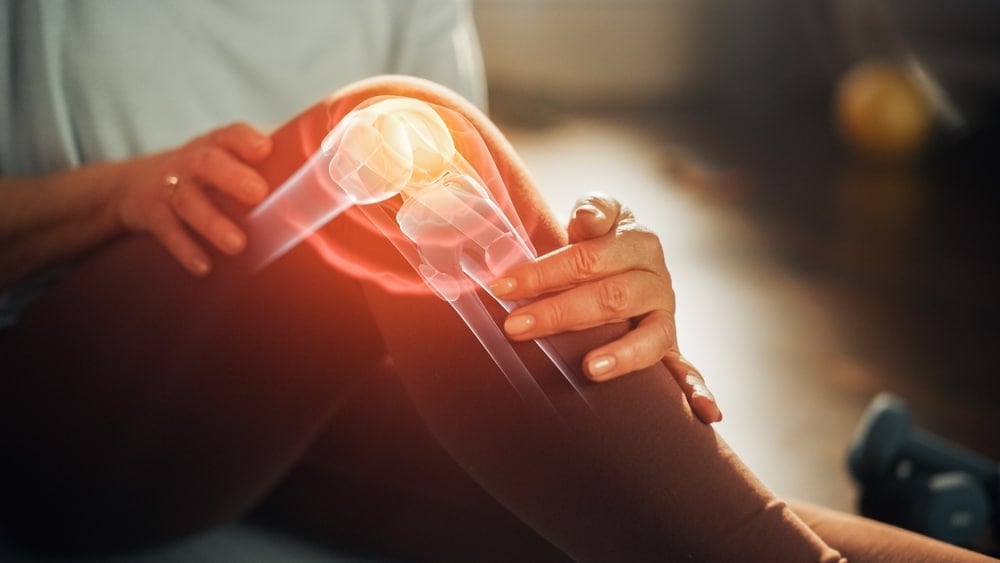
Many of us have experienced unexpected sounds from our bodies that make us pause. Joints like knees and elbows seem particularly adept at these noises, leading to questions about their implications for our health.
To clarify the reasons behind these joint sounds, we consulted Dr. Lauren Lynass, a physical therapist, alongside sport medicine specialist Dr. Christopher J. Visco. They shed light on whether these noises warrant concern or simply signal a normal bodily quirk.
Dr. Lynass presents two main theories explaining the clicking or popping sounds in joints. The first is termed tribonucleation
, based on 2015 research. This theory indicates that the popping sound may arise from gas escaping from joint fluid. It suggests that whenever you hear that characteristic ‘pop,’ it could be a gas bubble moving within the joint, which is typically harmless.
The second explanation involves the tissue sliding theory. Dr. Lynass explains that as different tissues interact around a joint, they can produce sounds like popping or clicking. This friction could be from tendons, ligaments, or other soft tissues shifting against bony structures.
Dr. Visco provides another dimension to the discussion. He points out that in some instances, sounds might be linked to specific tendon or ligament issues. Tendons can undergo calcification, contributing to sounds such as clicking or grinding. “Interestingly, around 20-30% of individuals have a pain-free calcified tendon that often does not require treatment unless pain develops or functionality is affected,” he notes.
When to Consider a Medical Evaluation
Dr. Lynass assures that if there’s no accompanying pain, there’s usually no need for concern. Activities such as bending the knee or rotating the shoulder involve intricate interactions among bones, muscles, and connective tissue, which often lead to these sounds. “It’s perfectly normal for our bodies to produce noises. As long as these sounds are not linked to chronic pain, instability, or noticeable catching, you are fine,” she states. In essence, an occasional snap, crackle, or pop is a typical feature of human anatomy.
However, if symptoms change and you begin to experience pain or instability, it’s time for action. “If symptoms worsen, consult a trusted healthcare provider,” Dr. Lynass advises.
Dr. Visco emphasizes that pain may indicate additional damage from the clicking. It’s also crucial to seek evaluation if you notice swelling, redness, warmth, or any restriction of movement.
He highlights that some sounds can signify serious underlying conditions. “Inflammatory joint diseases such as psoriatic arthritis, rheumatoid arthritis, and synovitis could be contributing factors. It’s worth noting that osteoarthritis is often misunderstood; it’s not merely inflammation, but a complex degeneration of the joint where smooth cartilage develops fissures and loses thickness,” he explains. “Many people suspect ‘arthritis’ when they encounter grinding sensations.”
As age increases, so does the likelihood of arthritis, especially in the knees. Dr. Visco notes that a past injury, like an ACL tear, can elevate the risk of developing arthritis significantly.
Strategies for Managing Popping Joints
“Keep moving,” urges Dr. Lynass. With sitting now identified as a health risk, staying active is vital for bodily function, including joint health. “Prolonged inactivity increases pressure and friction in the joints,” she explains. Including diverse movements in your daily routine—like stretching, walking, or gentle exercises—can help lubricate joints and reduce friction while strengthening surrounding muscles.
Dr. Visco echoes this perspective, highlighting the need to maintain both range of motion and muscle strength around the joints to lessen any tendon or joint discomfort. “If you experience acute inflammation, like warmth or swelling, resting and applying ice can be initial approaches,” he mentions. While he generally refrains from suggesting NSAIDs for many patients, he adds that frequent reliance on ibuprofen or naproxen warrants medical consultation.
Besides movement, Dr. Visco recommends considering various approaches to manage those clicks and pops. “Heat and red-light therapy may assist with soft tissue tightness that could be leading to clicking,” he observes. Additionally, addressing underlying issues such as muscle imbalances or tightness in related areas—like weak hips or tight quads and hamstrings—is crucial. “It’s challenging to effectively treat knee issues without considering these related factors,” he notes.
Most joint sounds are simply body quirks, usually minor concerns. Yet, remain attentive to any changes, especially if accompanied by chronic inflammation or pain.
For more persistent instances of clicking or grinding due to osteoarthritis, Dr. Visco mentions exploring treatments like hyaluronic acid or platelet-rich plasma injections after discussing options with a sports medicine expert. He emphasizes, however, that “pain-free clicking or grinding typically requires no invasive intervention.”