




















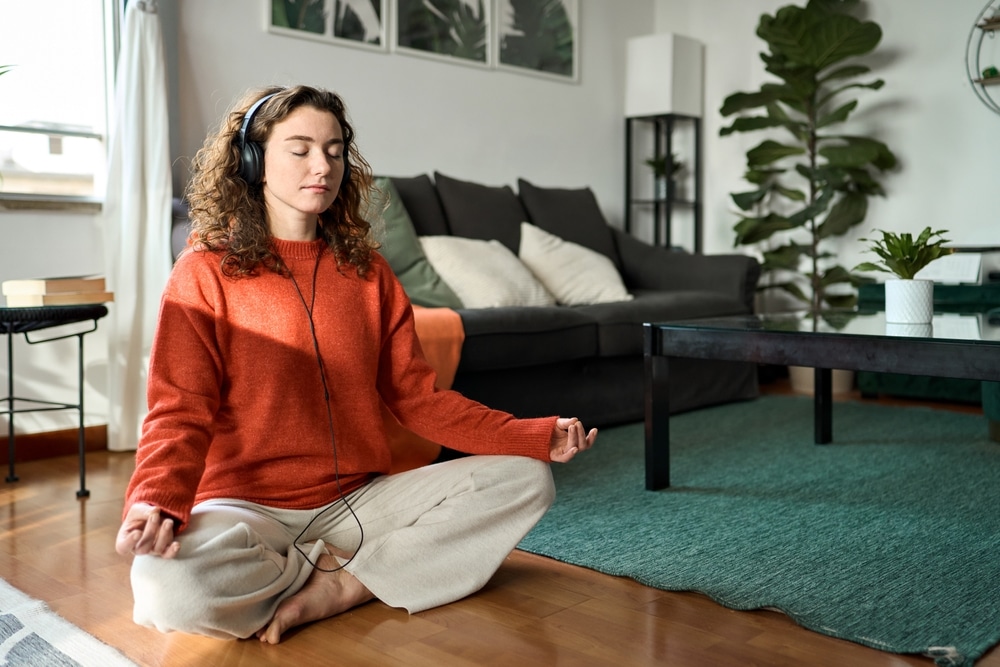
When engaging with clients for the first time, a common sentiment emerges—often accompanied by a deep sigh—expressing a desire to explore meditation. This expression signifies more than mere interest; it reflects a yearning for mental clarity and emotional balance.
Understanding Meditation: Beyond the Basics
Meditation has gained significant popularity in recent years, often touted as a remedy for stress, anxiety, and even chronic pain. But what truly lies beneath this seemingly simple practice? It’s essential to acknowledge that while meditation can be incredibly beneficial, it is not without its complexities and challenges.
The Appeal of Meditation
The allure of meditation can be attributed to its potential for fostering mindfulness. By centering the mind and cultivating present-moment awareness, individuals can develop a greater understanding of their thoughts and emotions. This self-awareness is invaluable in navigating the pressures of daily life, encouraging a more balanced perspective.
The Risks Involved
However, the practice of meditation is not a one-size-fits-all solution. For some, it may trigger uncomfortable emotions or bring unresolved issues to the surface. It’s crucial to recognize that meditation requires a commitment to self-exploration, which can sometimes lead to emotional discomfort. This paradox often surprises beginners who expect only positive experiences.
Finding the Right Approach
To mitigate potential risks, individuals should consider their unique needs and preferences when choosing a meditation method. For example, guided meditations can be a helpful starting point for beginners. These provide structured support, helping practitioners to ease into the emotional nuances of the practice. Additionally, incorporating techniques such as breath awareness or loving-kindness meditation may enhance comfort and reduce anxiety.
The Importance of Guidance
Working with a qualified instructor or joining a meditation group can also be beneficial. This collaborative approach not only fosters community but provides valuable guidance during challenging moments. Experienced practitioners can offer insights on navigating difficult emotions or questions that may arise during meditation.
Creating a Sustainable Practice
Sustainability is key in meditation. Establishing a consistent routine, even if it’s just a few minutes each day, can lead to profound benefits over time. It’s essential to approach meditation with a sense of curiosity rather than rigid expectations, allowing oneself the grace to experience both the highs and lows of the journey.
Listening to Your Body and Mind
Being attuned to one’s body and mind during meditation is crucial. If a specific technique feels uncomfortable, it’s okay to adjust or explore other methods. Listening to oneself fosters a healthier relationship with the practice and encourages openness to personal growth.
Conclusion
While meditation holds great potential for enhancing mental and emotional well-being, it is essential to acknowledge both its beauty and its complexities. By approaching meditation with awareness and a willingness to adapt, individuals can cultivate a practice that serves their unique needs. This journey toward mindfulness can ultimately lead to transformative experiences, paving the way for greater peace and understanding in an often chaotic world.