


















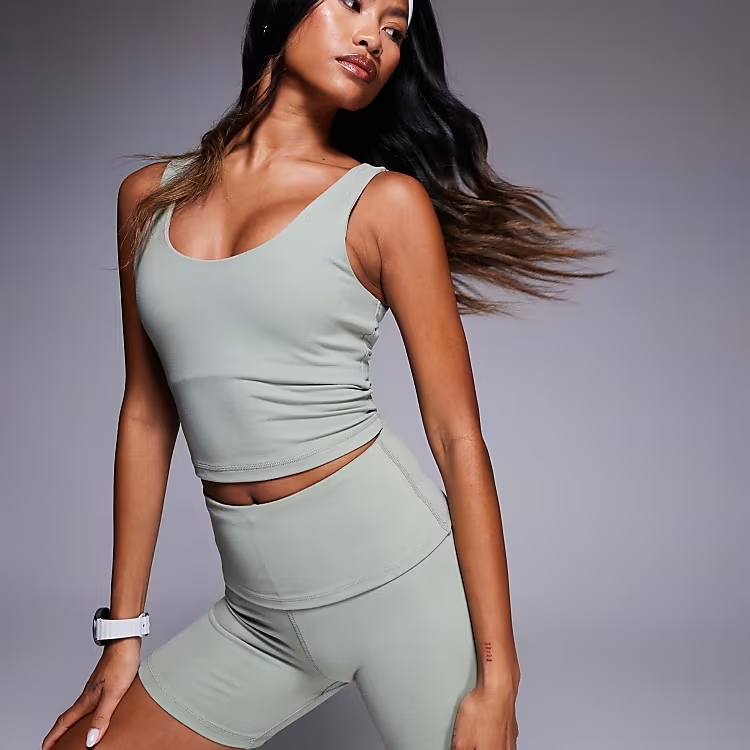
If you have noticed a change in the yoga studio lately, it is not just a trend. An increasing number of active mothers are trading in bulky, sand-filled tactical vests for sleek, silent silicone alternatives. Integrating resistance into a yoga sequence or a brisk walk with a stroller is a highly effective way to improve bone density and increase caloric expenditure. However, traditional fitness gear was rarely designed with the mindful, multi-tasking lifestyle of a modern parent in mind.
The Benefits of Silicone Weighted Vests for Modern Yoga Practice
The transition toward silicone-based weighted gear reflects a larger shift among fitness-conscious women who prioritize mindfulness, comfort, and practical utility. For years, women had to adapt to oversized tactical equipment designed for entirely different athletic goals. By removing the constant noise of shifting weights, the physical irritation of poor anatomical fits, and the maintenance required for sweat-absorbent fabrics, silicone vests turn resistance training into a natural extension of an active lifestyle.
Ultimately, choosing a silicone vest is about eliminating the “friction points” that often disrupt a wellness routine. Whether you are flowing through a sunrise yoga session without waking the family, transitioning straight into a morning walk, or heading to school drop-off with your gear hidden under a favorite sweater, this modern alternative respects both your fitness goals and the realities of motherhood. It serves as proof that health gear can be effective without being intrusive, allowing for total focus on strength, breath, and presence.
1. Silent Movement Without Distractions
Standard weighted vests are typically filled with steel shot, iron sand, or metal bars. During sun salutations or dynamic vinyasa flows, these materials shift constantly. The resulting “maraca” sound can break your concentration and potentially wake a napping child. Silicone vests are engineered with solid, molded weights that are entirely noise-free, maintaining the tranquility of your environment.
2. Ergonomic Contouring and Stable Fit
Many traditional vests feature a boxy shape intended for a flat-chested, upright posture. When you transition into poses like Downward-Facing Dog (Adho Mukha Svanasana), these vests often slide forward, hitting the chin or placing uncomfortable pressure on the neck. Premium silicone options utilize flexible, ergonomic cross-back designs that grip the body securely, moving with you through every twist and inversion without shifting.
3. Hygienic, Odor-Resistant Materials
Activewear and yoga mats already deal with significant moisture. Fabric or neoprene vests act like sponges, absorbing sweat and harboring bacteria that lead to persistent odors. Silicone is non-porous and naturally antimicrobial. After a session of hot yoga or an outdoor workout, you can simply wipe the vest down with a damp cloth or rinse it under a showerhead for an instant, hygienic clean.
4. Slim Profile for Discreet Wear
Moms are experts at “athleisure” transitions—moving from a workout to errands or school activities. Tactical vests often look aggressive and bulky. Because silicone vests are incredibly thin and low-profile, they sit flat against the body. This allows you to layer a sweatshirt or zip-up hoodie over the vest without looking like you are wearing heavy body armor.
5. Skin-Friendly and Friction-Free
During repetitive movements, rough nylon and heavy seams can cause skin irritation and chafing, especially when wearing tank tops or sports bras. Soft-touch, medical-grade silicone provides a smooth, flexible surface that is gentle on the skin. This eliminates the friction burns and redness commonly associated with traditional tactical fitness equipment.
A Selection Guide: Choosing a Weighted Vest for an Active Lifestyle
Selecting the right weighted vest involves finding a balance between comfort and functionality. Because your body moves differently whether you are playing with children, walking the dog, or practicing on a yoga mat, traditional vests designed for military-style training are often insufficient for daily female fitness needs.
1. Match the Design to Your Primary Activity
Your intended use should dictate the material and design of the vest:
- Yoga and Pilates: Prioritize silicone or ultra-slim neoprene. Ensure the vest fits snugly so it does not slide over your face during inversions.
- Walking and Hiking: Look for comfort over long durations and consider models with small pockets for essentials like keys or a phone.
- HIIT and Home Strength Training: Focus on secure fastening systems, such as cross-back straps or dual buckles, to prevent bouncing during high-impact movements.
2. Determining the Ideal Weight (The 10% Guideline)
For most cardio, yoga, and walking routines, a weighted vest should ideally be between 5% and 10% of your total body weight.
| Body Weight | Recommended Range | Suggested Starting Weight |
| 120 – 140 lbs | 6 – 14 lbs | 6 – 8 lbs |
| 141 – 160 lbs | 7 – 16 lbs | 8 – 10 lbs |
| 161 – 180 lbs+ | 8 – 18 lbs | 10 lbs |
Note: For long-term bone health or gentle walking, a fixed weight of 8 to 10 pounds is often the ideal “sweet spot” for most women.
3. Focus on Female-Specific Fitting
Standard vests are often broad and rectangular, which can cause discomfort for women. Look for these specific features to ensure a better fit:
- Cross-Back or X-Shape Designs: These straps curve away from the chest, preventing uncomfortable pressure on the bust.
- Adjustable Side Straps: These allow for a customized fit that accommodates your specific waist-to-hip ratio.
- Cropped Torso Cut: Choose a vest that sits above the belly button. Longer vests can interfere with hip movement during squats or lunges.
4. Prioritize Easy-to-Clean Materials
Between workout perspiration and the messes of daily life, your vest will require frequent cleaning.
- Silicone: This is the gold standard for hygiene. It does not absorb odors and can be sanitized in seconds.
- Neoprene or Nylon: These are soft and comfortable but can trap sweat. Ensure the product is machine washable and avoid weights that may rust if they get wet.
5. Comparing Fixed vs. Adjustable Weights
- Fixed Weight Vests: These have the weight integrated directly into the material. They are the most streamlined and discreet, though the resistance cannot be changed.
- Adjustable Weight Vests: These feature pockets for adding or removing weighted inserts. While more versatile for strength progression, they are typically bulkier.
Summary Checklist for Active Mothers
When looking for a vest that fits a busy schedule, prioritize one that is under 10 pounds, features an ergonomic cropped fit, and is made from easy-to-clean materials like silicone or washable neoprene. Whether you are using it for low-impact cardio or integrating it into a yoga routine, the right gear should help you focus on your strength and movement without unnecessary distraction or maintenance.