


















In the fitness world, we often view a thick neck and a broad chest as badges of honor—symbols of hours spent under a heavy barbell. However, medical science is uncovering a paradoxical truth: the very muscle mass that defines a high-level physique can sometimes be a silent liability for respiratory health. While many athletes attribute daytime fatigue or “brain fog” to overtraining or life stress, the culprit is frequently Obstructive Sleep Apnea (OSA). This condition, characterized by intermittent pauses in breathing during sleep, isn’t just a hurdle for recovery; it is a significant cardiovascular threat that increases the risk of stroke and heart failure.
According to Dr. Hopp, a medical director at the OSA resource Daybreak, the bodybuilding community needs to prioritize sleep hygiene with the same rigor they apply to nutrition. Understanding the mechanics of how muscle mass affects the airway is the first step toward safeguarding both your gains and your longevity.
What are the negative effects of obstructive sleep apnea (OSA)?
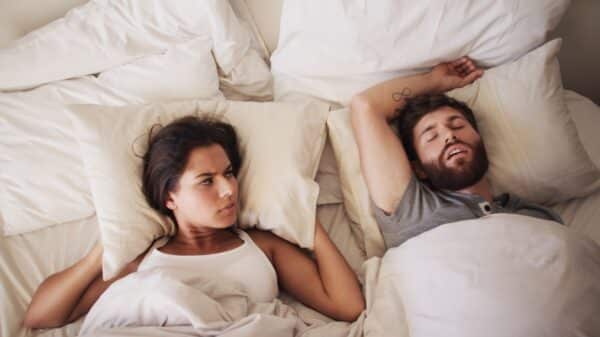
Sleep apnea is a pervasive health crisis in the United States, affecting nearly 30 million people. The most alarming statistic is that roughly 80% of these cases remain undiagnosed. Many individuals suffer in silence, assuming their lack of energy is a natural byproduct of a busy lifestyle. In reality, OSA creates a nightly cycle of oxygen deprivation that wreaks havoc on the body.
The immediate, day-to-day consequences are often the most noticeable. Chronic snoring, waking up with a parched throat or a pounding headache, and an inability to focus during the day are classic red flags. For the athlete, this manifests as decreased explosive power, slower reaction times, and a lack of motivation in the gym. If you find yourself nodding off during a post-workout meal or struggling to maintain intensity, your sleep quality may be compromised.
The long-term physiological toll is even more concerning. Every time your breathing stops, your blood oxygen levels plummet, forcing your heart to work harder to circulate blood. This chronic cardiovascular strain is a direct precursor to hypertension and heart disease. Furthermore, fragmented sleep disrupts the endocrine system. Growth hormone secretion and testosterone production—both vital for muscle repair—primarily occur during deep sleep. By failing to treat OSA, you aren’t just tired; you are actively sabotaging your body’s ability to recover and maintain metabolic health.
Why Bodybuilders and Lifters Are at Higher Risk of Sleep Apnea
It is a common misconception that sleep apnea only affects the overweight. In the lifting community, “mechanical” obstruction is the primary driver. When you build significant mass in the trapezius, sternocleidomastoid, and pectoral muscles, you are essentially narrowing the “pipe” through which you breathe. Several specific factors put high-mass individuals at risk:
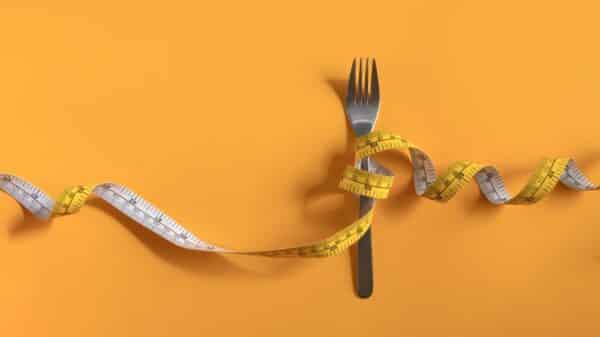
- Neck Circumference and Hypertrophy: A neck measurement over 17 inches is one of the strongest predictors of OSA. As the muscles surrounding the throat grow, they exert external pressure on the soft tissues of the airway. When you lie on your back, gravity causes these tissues to collapse more easily, leading to breathing obstructions.
- Chest Wall Weight: Massive pectoral development adds significant weight to the chest. This extra “armor” makes it harder for the lungs to expand fully while lying down, requiring more effort from the diaphragm and respiratory muscles to maintain steady oxygen flow.
- High Body Mass Index (BMI): While BMI is a flawed metric for athletes because it doesn’t distinguish between fat and muscle, the heart and lungs don’t necessarily know the difference. Carrying 250 pounds of muscle still requires a massive amount of oxygenation, and the sheer volume of tissue can crowd the upper airway regardless of body fat percentage.
- Substance Use and Muscle Structure: The use of certain performance-enhancing substances can lead to water retention or changes in soft tissue density, which may further exacerbate airway narrowing or disrupt the neurological signals that regulate breathing during sleep.
How to Get Diagnosed: At-Home Sleep Tests vs Lab Studies?
Historically, getting a sleep apnea diagnosis was a logistical nightmare. It required spending a night in a sterile hospital lab, hooked up to dozens of wires while a technician watched you sleep. For most athletes, this environment was so uncomfortable that the results didn’t accurately reflect their actual sleep patterns at home.
The modern alternative is the At-Home Sleep Test (HST). These devices, like those offered by Daybreak, have revolutionized the process. Instead of a lab, you use a small, medical-grade sensor—often a simple pulse oximeter that fits on your finger—to record data in your own bed. These FDA-cleared devices are remarkably accurate, often reaching 98% reliability in detecting obstructive events. They track your heart rate, oxygen saturation, and breathing disturbances over one or two nights. Once the data is uploaded, it is reviewed by a board-certified physician who can provide a formal diagnosis and a path forward, all without you having to leave your house.
What are the Potential Treatments for OSA?
Once diagnosed, the goal is to keep the airway open throughout the night. The “gold standard” for decades has been the CPAP (Continuous Positive Airway Pressure) machine. This device uses a pump to send a constant stream of air through a mask, physically propping the airway open. While highly effective, many lifters find the mask cumbersome, noisy, or difficult to travel with when heading to competitions.
A more “athlete-friendly” alternative is the custom oral appliance. These look similar to a high-end dental nightguard. Devices like the Daybreak Device work by slightly repositioning the lower jaw forward. This subtle shift creates more space at the back of the throat, preventing the tongue and soft tissues from collapsing. Because they are silent, don’t require electricity, and fit in a pocket, they are often the preferred choice for people who want to maintain an active, mobile lifestyle.
By addressing sleep apnea, you are doing more than just stopping the snoring. You are optimizing your body’s internal environment for peak performance. Improved oxygenation leads to better ATP production, faster muscle protein synthesis, and the mental clarity needed to tackle your most grueling training sessions.
Summary: While a powerful physique is the goal of every lifter, it shouldn’t come at the cost of your respiratory health. Obstructive Sleep Apnea is a manageable condition that, when treated, can actually unlock a new level of physical gains and mental sharpness. If you have the discipline to track your macros and your personal records, you owe it to yourself to track your sleep quality with equal precision. Whether through a traditional CPAP or a modern oral appliance, ensuring a clear airway is the ultimate “biohack” for long-term health and performance.