












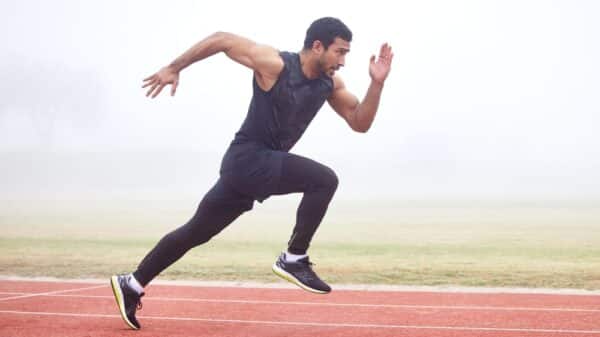





That moment isn’t about weak willpower. It’s about the environment.
Sports psychology has long understood that the spaces we inhabit shape the mental states we bring to physical activity. What hangs on your walls — or what doesn’t — quietly negotiates the difference between a distracted half-session and a focused, energised hour of real work. This piece digs into the science and the practical mechanics of using wall art as a genuine performance and wellbeing tool, and explains how to do it without guesswork.
Why Your Environment Affects Your Workout Performance
The relationship between physical environment and athletic output isn’t new. Environmental psychology, a field with roots in the 1960s work of Roger Ulrich and later Robert Gifford, consistently shows that people respond physiologically and psychologically to their surroundings. Temperature, lighting, sound, and visual stimuli all influence arousal, mood, and focus before a single rep is completed.
A 2015 study published in the *Journal of Environmental Psychology* found that athletes training in visually stimulating environments reported higher motivation scores and completed more total volume than those in neutral spaces. The mechanism isn’t mystical — it’s simply that visual cues prime mental states, and primed mental states affect performance thresholds.
What this means practically: the images, colours, and textures surrounding you during exercise are doing real work. The question is whether you let that work happen randomly or direct it intentionally.
The Psychology of Colour in Fitness Spaces
Colour psychology is one of the most directly actionable fields for anyone designing a home gym or fitness space. Different hues affect energy levels, perceived exertion, and focus in measurable ways.
Red consistently increases heart rate and perception of energy in research settings. A 2011 study in the *Journal of Sport and Exercise Psychology* found that athletes exposed to red performed better on strength-based tasks. It’s aggressive, demanding, and well-suited to powerlifting platforms or boxing corners where you want to arrive already switched on.
Blue produces the opposite effect — calming, focusing, associated with endurance and sustained mental effort. Yoga studios, stretching areas, and recovery corners benefit from blue tones. A runner visualising a long-distance effort needs different mental energy than a powerlifter going for a one-rep max.
Yellow falls somewhere in the middle: associated with optimism and energy without the aggression of red. It’s particularly effective in home gym environments where you might train first thing in the morning and need to shift from sluggish to alert quickly.
Choosing wall art with these colour dynamics in mind isn’t decoration — it’s environmental engineering.
Motivational Art vs Aesthetic Art: Which Belongs in a Home Gym?
This question divides gym designers more than any other. On one side: bold typographic prints, motivational quotes, athlete imagery. On the other: pure aesthetic art — abstract forms, landscapes, botanical prints — that prioritises beauty over messaging.
The honest answer is that both serve genuine functions, but they serve different functions.
Motivational art works best in zones of maximal effort. The words “EARN IT” above a deadlift platform do something for a lot of people. The same words above a foam roller station feel absurd. Typographic prints work when placed where the eyes naturally rest during peak exertion — directly in front of a barbell, on the wall your treadmill faces, at eye level near a pull-up bar.
Aesthetic art — landscapes, abstract canvas prints, architectural photography — works better in recovery and transition zones. Research from the University of Michigan shows that exposure to natural imagery activates restorative attention, reducing mental fatigue. A recovery area featuring a calm forest print or a wide coastal canvas isn’t just pretty; it’s supporting the physiological recovery your muscles need.
The smartest home gym layouts use both: motivational pieces where intensity peaks, aesthetic pieces where the body and mind restore.
Canvas Prints vs Metal Prints vs Framed Posters: What Works Best in a Gym Environment?
Not all wall art formats are equal in a fitness space. Gyms are humid, warm, and high-energy environments that create conditions most standard wall art isn’t built for.
Canvas prints are the most forgiving format for home gyms. Stretched canvas is durable, doesn’t require glass (which can shatter), and handles humidity better than paper-based formats. When properly coated, canvas resists moisture absorption and won’t warp or yellow over years of use. Suppliers like Printseekers produce gallery-quality stretched canvas using Epson UltraChrome inks, which are fade-resistant even under UV light from windows — a common issue in garden gym setups.
Metal prints (aluminium panels with dye-sublimated images) are arguably the most practical format for a serious gym. They’re scratch-resistant, completely waterproof, and easy to wipe clean after a heavy session. The semi-gloss finish on aluminium prints makes colours appear deeper and more vivid than almost any other format. They’re heavier than canvas but significantly more durable, and modern metal prints come with integrated hangers that make installation straightforward.
Framed posters work well in home gyms only if the frame is robust and the glass is tempered. Standard frames are fragile around heavy equipment. If you love the look of a framed print, invest in a quality frame and keep it away from zones where plates get dropped or bars get racked aggressively.
How Wall Art Supports Mental Health and Recovery
The fitness community has only recently begun talking openly about the mental health dimension of training environments. But the data has been consistent for decades: aesthetic environments reduce cortisol, improve mood, and accelerate psychological recovery from physical stress.
Roger Ulrich’s landmark 1984 study — published in “Science” — showed that patients with a window view of trees recovered from surgery faster and required fewer painkillers than those facing a brick wall. While a home gym isn’t a hospital room, the underlying principle applies. Visual environments rich with natural imagery and aesthetic content activate the parasympathetic nervous system, supporting the recovery phase that actually produces gains.
This is particularly relevant for athletes dealing with overtraining or injury. A recovery zone with carefully chosen art — calm landscapes, warm-toned abstract prints, anything that induces a sense of spaciousness — actively supports the nervous system reset that high-intensity training demands.
Choosing Art for Different Training Zones
A thoughtful home gym isn’t a single zone; it’s a progression of psychological states. The way you design each area of your space should match the work it’s meant to support.
The lifting platform or heavy work area benefits from bold, high-contrast art. Large-format prints — anything from 60x80cm upward — work better here than small pieces, which get visually lost in a high-intensity environment. Dark backgrounds with vivid colours, abstract energy forms, athletic silhouettes, or typographic pieces with short, declarative messages are all effective choices.
The cardio zone — if you have a treadmill, rowing machine, or bike — rewards art that you can spend extended time looking at without it feeling overwhelming. Panoramic landscapes, architectural photography, or large abstract pieces with movement implied in the composition work well here. You want something that holds visual interest over a 40-minute session without demanding the kind of focus that disrupts endurance rhythm.
The stretching and cooldown area calls for the most restorative visual choices. Botanical prints, coastal scenes, geometric minimalism in soft tones, or figurative prints depicting rest and movement in balance all fit this purpose. This is the zone that should feel categorically different from the heavy work area — softer, quieter, a visual signal that the intense part of the session is over.
The Role of Personal Meaning in Motivational Art
Generic motivational posters have a ceiling on their effectiveness precisely because they’re generic. “NO PAIN, NO GAIN” is a statement that has nothing to do with you specifically.
Art that carries personal meaning — imagery connected to a place you love, a competition you’re training for, a person who inspires you, or an aesthetic you genuinely respond to — operates at a different level. It activates personal narrative, which is a far more durable motivational resource than abstract aphorism.
Custom canvas prints now make it entirely practical to print personal images at gallery quality. A photograph from a race you completed, a landscape from your training grounds, an image of an athlete whose training philosophy you follow — printed large on canvas, these become genuine parts of your training environment rather than decorative afterthoughts.
Practical Tips for Installing Art in a Home Gym
Installation in a home gym deserves more thought than installation in a living room. Vibration from heavy equipment, humidity from effort, and the dynamic nature of the space all create challenges that domestic hanging solutions don’t always solve.
Heavy-duty picture hooks rated for the weight of your print are non-negotiable. For large canvas prints and metal panels, use multiple anchor points into wall studs wherever possible. Avoid adhesive hooks in a gym context — they don’t cope with the vibration and temperature swings that training environments produce.
Height matters more than most people realise. Art placed at eye level during the relevant activity — standing for a lifting station, seated for a cycling position — delivers more psychological impact than art hung at a generic “living room” height. Think about where your eyes naturally rest during each movement, then position art accordingly.
Lighting also transforms art significantly. A well-lit canvas in a bright gym environment looks entirely different from the same print in a dim corner. Natural light is ideal; if that’s not available, warm directional spotlighting reveals the texture and depth of canvas prints in ways that flat overhead fluorescents don’t.
Wall Art Beyond the Gym: Creating Wellness Spaces at Home
The principles that make art effective in a gym translate directly to the rest of your home, particularly in spaces designed for recovery and mental wellbeing.
A bedroom with carefully chosen art supports sleep quality — research from the National Sleep Foundation suggests that visual environments with calm, low-contrast imagery correlate with lower pre-sleep arousal. Soft botanical prints, abstract minimalism, or landscape photography in muted tones all support this function.
A home office benefits from art that signals focus and creativity — structured geometric prints, photography with clear lines of perspective, or abstract pieces with energetic but ordered composition. The same logic that applies to training zones applies to cognitive work zones: the visual environment primes the mental state.
The investment in quality wall art, across the full home environment, compounds across every hour you spend in those spaces. It isn’t decoration. It’s environmental design.
How to Source Quality Art for Your Fitness and Home Spaces
The print-on-demand market has made it genuinely practical to source gallery-quality custom art without the cost or complexity of traditional fine art purchasing. Services like Printseekers allow you to order custom canvas prints, metal prints, framed posters, and even custom wallpaper printed to your specifications, fulfilled and shipped without you holding inventory.
For home gym owners, this opens up options that simply didn’t exist a decade ago. You can have a competition-quality canvas print of your personal best moment, a panoramic landscape from a meaningful place, or a custom typographic piece designed around your specific training philosophy — all printed at commercial quality and shipped directly.
The key factors to look for when evaluating any print supplier for gym use: archival-grade inks (which resist fading under UV and heat), quality substrate materials (the canvas or aluminium panel itself), and realistic production times. Gym environments are demanding; the art in them should be made to last.
Conclusion: The Environment You Create Is the Athlete You Become
Elite training environments aren’t accidental. Every serious training facility, from commercial gyms to Olympic preparation centres, invests deliberately in the visual and physical environment that athletes inhabit. The science supporting this investment is robust, and the principles translate directly to home gym design.
Wall art is not a luxury addition to a fitness space. It’s a functional element of environmental design that shapes mood, focus, motivation, and recovery in ways that directly affect training outcomes. The investment is modest relative to the equipment costs most home gym owners already accept — and the returns, measured in consistency, intensity, and enjoyment, are real.
Build the space that builds the athlete. Start with the walls.