
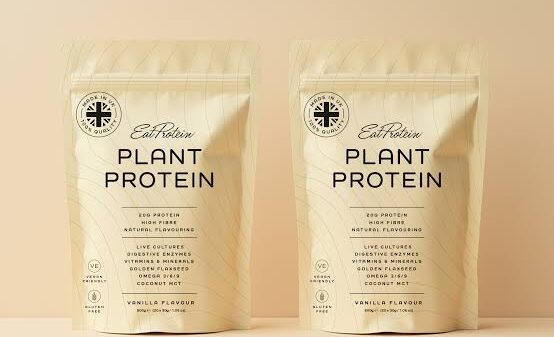










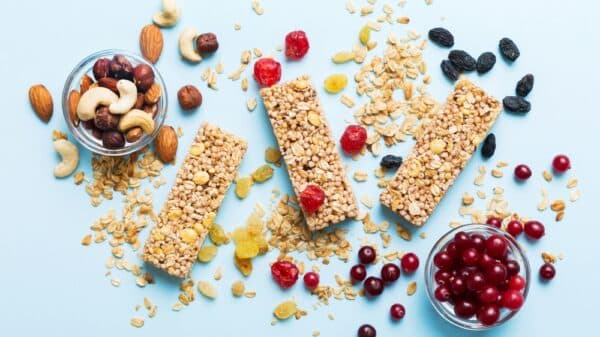

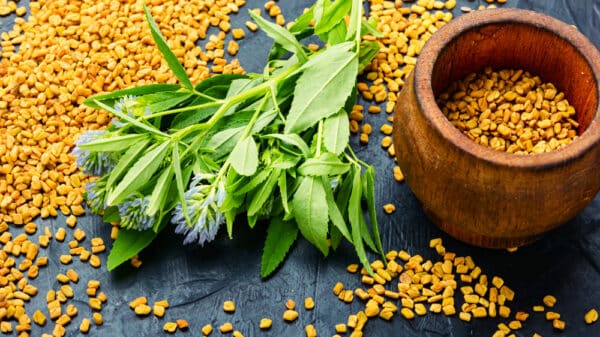






Whey protein remains a staple in the supplement market, but an increasing number of individuals are gravitating towards plant-based lifestyles. This shift has prompted an expansion in the variety of vegan protein powders available.
It’s becoming common for athletes and fitness enthusiasts to adopt vegan or vegetarian diets while still meeting their protein needs through plant-based supplements. Vegan protein powders, sourced from options like hemp, peas, and brown rice, facilitate increased protein intake, better body composition, and numerous benefits tied to plant-based nutrition.
Why Should Vegans Use Protein Powder?
While not every vegan relies on protein powder, it offers substantial benefits for various lifestyles, especially in the following scenarios:
- Convenience: For those with hectic schedules, protein powder simplifies achieving daily protein goals when whole-food meals are not an option.
- Athletic Support: Regular strength trainers or endurance athletes can utilize concentrated protein for enhanced recovery and muscle repair.
- Dietary Gaps: A varied plant-based diet may still leave some struggling to hit their protein targets. Protein powder acts as a bridge to fill those gaps.
- Digestive Preferences: Certain individuals find plant-based protein powders easier to digest than large portions of whole foods.
Vegan protein powders can effectively support those committed to meeting their protein needs through a plant-based diet. While whole foods like lentils, nuts, seeds, and whole grains provide ample protein, powdered forms make meeting daily intake requirements more straightforward.
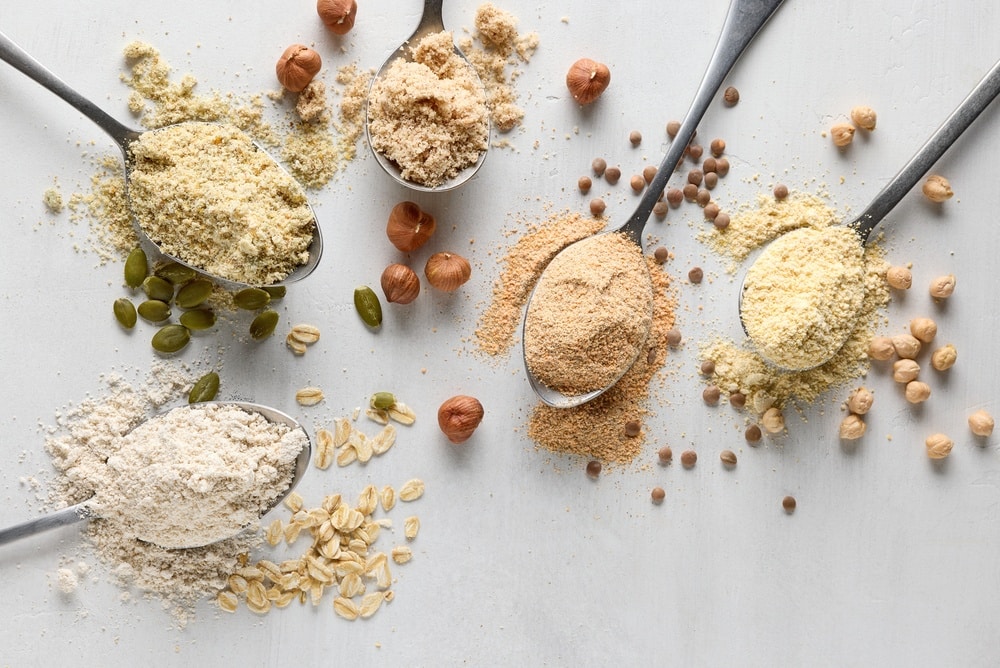
Crafted from seeds, grains, or legumes, these products concentrate protein while minimizing fat and carbohydrates, resulting in an efficient supplement. Plant proteins play a crucial role in many body functions, supplying essential amino acids needed for tissue growth and repair, enzyme production, hormone synthesis, and maintaining robust bones, muscles, and skin.
While collagen is not derived from vegan sources, an adequate intake of plant proteins supports the body’s collagen synthesis due to the required amino acids. Yes, building muscle with vegan protein powder is entirely feasible. When combined with a balanced diet and consistent exercise, it contributes to muscle growth, repair, and overall strength enhancement.
Another notable benefit of vegan protein powders is their convenience. They seamlessly integrate into a variety of routines.
Add a scoop to smoothies or shakes before or after workouts, mix into oatmeal, stir into coffee, or incorporate into baked goods. This versatility eases the process of consistently meeting protein needs on a plant-based diet.
What is Vegan Protein Powder?
Protein powders are concentrated protein supplements derived from various sources. They’re commonly utilized to increase protein intake, support muscle repair, enhance performance, or assist in healthy weight gain.
Protein powders vary widely based on processing methods and nutritional content. Here are some common forms:
- Protein Concentrates: Extracted from whole food sources, these typically contain 60%-80% protein, accompanied by fat and carbohydrates.
- Protein Isolates: These powders filter out most fat and carbohydrates, yielding a higher protein concentration, around 90%-95% protein content.
- Protein Hydrolysates: This form breaks down amino acid bonds for easier absorption and utilization by the body.
While whey and casein are prevalent protein sources, many plant-based options are equally effective. Vegan protein powders not only provide solid protein per serving but often come with additional benefits like improved cardiovascular health, high fiber content, and better blood sugar regulation.
Which plant protein powders should you consider for your regimen? Let’s explore the top options currently available.
Best Vegan Protein Powders
1. Hemp Protein Powder
Hemp protein powder comes from Cannabis sativa and is recognized for its easy digestibility, ensuring optimal nutritional absorption. It also offers a good amount of fiber, aiding digestive wellness and stability in blood sugar levels. Additionally, it’s a rich source of omega-3 fatty acids, known for reducing inflammation and supporting weight management.
2. Pea Protein Powder
Pea protein powder is well-regarded among bodybuilders for its high-protein content and complete amino acid profile. Research indicates that it can be as effective as whey protein in building muscle mass when combined with resistance training. It can also assist with weight management by promoting satiety through slower digestion.
3. Brown Rice Protein Powder
Brown rice is lauded for its nutritional benefits, delivering essential vitamins and minerals. Studies have indicated that brown rice protein powder is as effective as whey protein in enhancing body composition and exercise outcomes. Its high fiber content also supports weight management.
4. Seed-Based Protein Powder
These powders are derived from seeds like pumpkin and chia, known for their rich nutrient profile, including healthy fats, minerals, and antioxidants. They work well as allergen-friendly protein sources and often come with added fiber, promoting satiety and blood sugar stabilization.
5. Quinoa Protein Powder
Quinoa offers a complete protein source with all nine essential amino acids. Its powder form combines easy digestibility with the nutritional benefits of quinoa, making it helpful for muscle synthesis and maintaining healthy blood sugar levels.
6. Mixed Plant Proteins
These protein powders comprise blends of various plant sources, filling nutritional gaps and enhancing flavor. They are often considered some of the tastiest vegan protein options due to their diverse flavor profiles.
However, keep in mind that mixed plant proteins may digest more slowly due to their high fiber, reducing immediate protein availability post-exercise.
Are There Other Vegan Protein Considerations?
When selecting a vegan protein powder, consider these factors:
Amino Acid Profile
Ensure that your chosen protein offers a complete amino acid profile, possibly through blends that complement each other.
Ingredients and Additives
Opt for powders with minimal extras like artificial sweeteners or fillers. Choosing organic, non-GMO options gives you confidence in quality.
Allergies and Sensitivities
Some plant proteins might provoke allergic reactions. Read labels carefully if you have specific sensitivities.
Digestibility
Certain proteins may result in digestive discomfort due to fiber or specific additives. Gradually increasing serving sizes can help your body adjust.
Is vegan protein powder harmful? This depends on the specific product, its ingredients, and your individual digestive preferences.
Some powders may include artificial additives that might not suit everyone. Prioritizing clean formulas with minimal ingredients can enhance comfort and effectiveness.
Plant-based protein powders can indeed support muscle building effectively when paired with adequate protein intake and weight training. Though they may digest more slowly than whey, they can yield significant benefits over time.
For those experiencing bloating from certain plant proteins, switching to seed-based or blended formulas may enhance tolerability.
Remember, moderation is key. One serving daily, or following product guidelines, is generally sufficient to support protein needs effectively.
How Do You Use Vegan Protein Powder?
Use vegan protein powder to raise your daily protein intake or enhance recovery, sticking to one serving aligned with your physical activity. Protein shakes are common, but the powder can seamlessly integrate into various recipes and meals throughout the day.
Looking for ideas? Here are several high-protein recipes to kick-start your creativity. Simply incorporate your preferred vegan protein powder, and enjoy!
Risks and Side Effects
Incorporating protein powder can help fulfill your protein requirements and boost your gym performance. Not all protein powders are equal, though. Overindulgence can lead to health complications.
Be wary of products that include unnecessary fillers. Manufacturers may employ practices such as “amino spiking,” which involves adding isolated amino acids that offer different health benefits than whole proteins.
Selecting organic options and scrutinizing ingredient labels can ensure quality and safety. Pay attention to additives or fillers.
Excessive protein consumption can result in unintentional weight gain, bone density reduction, and potential kidney issues. Tailor your protein intake to your specific needs, factoring in age, weight, activity level, and health status.
Frequently Asked Questions
How Much Protein Do Vegans Need Daily?
Adults typically need 0.36 grams of protein per pound of body weight, but this may rise with physical activity and specific goals like muscle gain. The current guidelines suggest a target of 1.2 to 1.6 kilograms of protein for every kilogram of body weight as of 2026.
Are Vegan Protein Powders as Effective as Whey?
Yes, with the right choices, particularly those with complete amino acid profiles, vegan protein powders can effectively support muscle growth and recovery similar to animal-based options.
Can Vegan Protein Powders Assist with Weight Loss?
Protein can foster fullness and aid in maintaining lean tissue during weight loss. Choosing low-sugar protein powders and balancing them with nutritious meals aids effective weight management.
When Should I Take Protein Powder?
This hinges on your goals. Post-workout intake can help with recovery, while integrating protein powder throughout the day aids overall consumption.
Final Thoughts
- Vegan protein powder serves as a concentrated source of protein and nutrients, enhancing physical performance and supporting muscle recovery.
- Plant-based protein can derive from sources such as hemp, brown rice, peas, seeds, quinoa, and mixed protein compositions, ensuring essential nutrient delivery in every serving.
- Seek organic brands that avoid fillers and sweeteners to maximize the positive impacts on your health.
- Incorporate your favorite vegan protein powders into a range of snacks and meals to unlock the unique benefits each offers.