




















Building lean muscle involves more than just lifting weights; it demands a comprehensive approach that includes nutrition, recovery, and strategic supplementation. Whole foods and effective training form the bedrock of muscle growth, but the right supplements can bridge gaps in nutrition, enhance performance, and aid in recovery when applied correctly.
With new research and improved standards for supplements, many fitness enthusiasts wonder: What are the most effective supplements for building muscle today, and how can they be beneficial for everyone, regardless of gender?
This guide outlines the top scientifically supported supplements for muscle growth, tips on how to use them effectively, and potential considerations to keep in mind.
Best Muscle-Building Supplements
1. Protein Powder (Whey, Collagen, Plant-Based)
Protein is crucial for muscle growth. Resistance training leads to increases in muscle protein breakdown, and without adequate dietary protein, muscle recovery and growth can be hindered.
– **Whey protein** is quickly absorbed and high in leucine, a vital amino acid for building muscle.
– **Collagen protein**, although not a complete protein source, can support joints and connective tissue, especially when combined with other proteins.
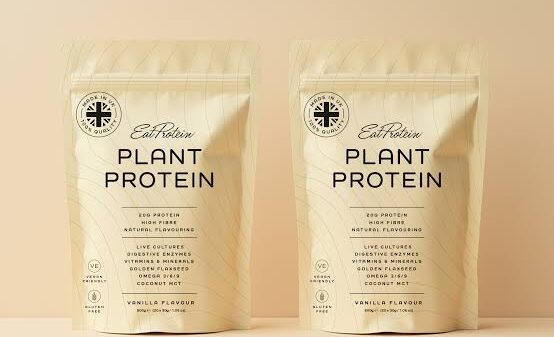
– **Plant-based protein powders** (like pea, rice, and hemp) are excellent alternatives for those avoiding dairy products.
These protein supplements are beneficial for muscle building in both men and women, particularly when dietary intake from foods alone may fall short.
2. Creatine Monohydrate
Creatine monohydrate stands out as one of the most researched and effective supplements for muscle growth.
It enhances phosphocreatine levels in muscles, allowing for:
– Longer and more intense workouts
– Improved strength and power output
– Sustained gains in lean muscle mass
Creatine has proven effectiveness for all genders, and there’s no need for specialized loading phases to experience its benefits. While timing can influence its effectiveness slightly, consistent use is key.
3. Essential Amino Acids (EAAs)
Essential amino acids, particularly leucine, isoleucine, and valine, are directly involved in muscle protein synthesis.
They are particularly advantageous for:
– Fasted workouts
– Older adults with less muscle-building responsiveness
– Situations where protein intake is limited
EAAs offer a complete set of amino acids crucial for muscle growth, unlike branched-chain amino acids (BCAAs), which only provide some of these essential nutrients.
4. Branched-Chain Amino Acids (BCAAs)
BCAAs promote muscle recovery and reduce muscle breakdown during intense training.
While they should not substitute for complete protein sources, they can:
– Alleviate muscle soreness
– Aid endurance during workouts
– Assist in recovery during calorie restriction
5. Bone Broth
Bone broth is rich in collagen peptides and naturally occurring amino acids such as glycine and proline.
Although it’s not a complete protein, it provides:
– Support for connective tissues and joint health
– Improved recovery between workouts
– A complementary effect when combined with other proteins
This makes it particularly beneficial for those undertaking heavy lifting or frequent training.
6. Omega-3 Fatty Acids (Fish Oil)
Omega-3 fatty acids deserve attention in muscle-building discussions due to their:
– Support for muscle protein synthesis
– Reduction of training-related inflammation
– Enhancement of recovery and joint mobility
Women may find omega-3s especially beneficial, given their higher likelihood of experiencing inflammation from intense workouts.
7. Magnesium
Magnesium influences more than 300 enzymatic reactions vital for muscle contraction, energy production, and recovery.
Sufficient magnesium levels can help:
– Enhance workout performance
– Mitigate muscle cramps
– Foster restful sleep critical for muscle growth
8. Vitamin D
Vitamin D is integral to muscle strength and neuromuscular function.
Deficiencies are prevalent, particularly among individuals who:
– Spend time training indoors
– Live in northern latitudes
– Have limited exposure to sunlight
Optimizing vitamin D may lead to improved strength and muscle capabilities over time.
9. Dehydroepiandrosterone (DHEA)
DHEA is a natural hormone precursor associated with the production of testosterone and estrogen. With age, levels tend to decrease, which can impact muscle mass, strength, and recovery.
Supplementation with DHEA can:
– Support muscle mass in individuals with low levels
– Help improve physical performance, particularly in older adults
– Aid in hormonal balance necessary for muscle maintenance
While DHEA is often marketed for men, women can also gain from its use when levels are low, though it should be used with caution and professional oversight.
10. Beta-Hydroxy-Beta-Methylbutyrate (HMB)
HMB, a derivative of leucine, reduces muscle protein breakdown.
Research suggests it can:
– Protect muscle during intense workouts or caloric deficits
– Foster strength gains in beginners and older adults
– Assist recovery between workouts
HMB is a strategic choice during periods of high training stress, injury recovery, or muscle-wasting scenarios.
11. Coenzyme Q10 (CoQ10)
As an essential component in energy production within cells, CoQ10 functions as a powerful antioxidant.
It may:
– Support energy output during workouts
– Lessen oxidative stress from exercise
– Improve recovery and endurance
Because energy production is critical for training, CoQ10 serves as a valuable supplement for resistance training enthusiasts.
12. Leucine
Leucine is a primary essential amino acid that initiates muscle protein synthesis.
It plays a crucial role in activating the mTOR pathway, required for muscle tissue growth. Targeted supplementation may be beneficial when:
– Total protein consumption is minimal
– Meals are spaced widely apart
– Additional muscle-building signals are needed
Leucine is best when integrated into a comprehensive amino acid or protein strategy.
13. Glutamine
Glutamine, the most abundant amino acid in the body, supports:
– Immune response
– Gut health
– Recovery
Though it does not directly promote muscle growth, it can be particularly valuable during periods of overtraining, illness, or caloric restriction.
14. Carnitine
Carnitine facilitates the transport of fatty acids into mitochondria for energy generation.
For building muscle, carnitine may:
– Be particularly advantageous for women, enhancing energy metabolism and recovery
Research suggests its efficacy for those engaged in regular physical activity.
15. L-Arginine
L-arginine serves as a precursor for nitric oxide, which aids in relaxing blood vessels and enhancing circulation.
In training scenarios, it may:
– Improve blood flow to active muscles
– Boost workout performance
– Facilitate nutrient delivery during and post-exercise
Its effectiveness is maximized when paired with consistent resistance training and proper nutrition.
16. Carbohydrate Supplements
Carbohydrates are often overlooked in discussions of muscle growth. Yet, they are crucial for fueling workouts and enhancing recovery.
Carbohydrate supplements may:
– Restore glycogen levels post-training
– Elevate workout intensity and volume
– Aid nutrient absorption via insulin
These are particularly useful for those who struggle to gain weight, endurance-strength athletes, or individuals with frequent training sessions.
17. Vitamin K2
Vitamin K2 contributes to calcium utilization, bone health, and cardiovascular system support, all of which have indirect effects on muscle function.
Emerging evidence suggests it may:
– Enhance skeletal strength for lifting
– Work in tandem with vitamin D for muscle function
– Support musculoskeletal health in the long term
Though not a specific muscle-building supplement, vitamin K2 is vital for the foundational infrastructure necessary for effective strength training.
Other Tips for Building Muscle
Supplements alone won’t yield results without complementary lifestyle habits.
To maximize your muscle-building efforts:
1. Engage in a progressive resistance training program emphasizing overload.
2. Ensure adequate sleep (seven to nine hours per night).
3. Consume enough calories to facilitate growth.
4. Incorporate carbohydrates for workout energy.
5. Manage stress, which can disrupt recovery.
These principles are applicable to both men and women looking to build muscle.
Risks and Side Effects
While most muscle-building supplements are safe when used appropriately, potential complications can include:
– Digestive issues from low-quality protein powders
– Temporary water retention from creatine
– Interactions with medications (especially magnesium or vitamin D at higher doses)
– Contamination from unregulated supplement brands
Opt for third-party tested, high-quality supplements to mitigate risks.
Frequently Asked Questions
What is the best muscle growth supplement?
Protein powder emerges as the best supplement for muscle growth due to its essential amino acids necessary for muscle repair and development. Creatine further enhances muscle growth by boosting strength and workout performance.
What helps build muscle faster?
Progressive resistance training combined with adequate calories, enough protein, and restorative sleep fosters faster muscle gains. While supplements like protein and creatine support these gains, they cannot replace fundamental training and nutrition.
Do any muscle-building supplements actually work?
Yes, both protein powder and creatine are proven to facilitate increases in muscle mass and strength when synergized with resistance training. Other supplements may enhance recovery or performance but play a secondary role.
What supplements should I take to build muscle quickly?
Focusing on protein powder, creatine, and carbohydrate supplements will accelerate muscle building. These enhance muscle protein synthesis, training intensity, and recovery.
What are the big three supplements?
The three primary muscle-building supplements are protein powder, creatine, and carbohydrates. Together, they supply the building blocks, enhance strength, and fuel workouts.
Do I really need creatine to build muscle?
Creatine is not mandatory for muscle growth. However, it can enhance strength and training volume, potentially leading to greater muscle gains over time.
Do muscle-building supplements work without lifting weights?
Supplements augment the results of resistance training; they do not serve as substitutes for it.
Are muscle-building supplements safe for women?
Yes. Most supplements, including protein and creatine, are effective and safe for women when dosed properly.
What is the best supplement for beginners?
Protein powder is generally the most beneficial and straightforward option for those new to supplementation.
Can I take multiple muscle-building supplements together?
Yes, provided they fulfill different roles and dosages are respected.
How long does it take to see results?
Strength improvements can be observed within weeks, whereas visible muscle growth usually takes eight to twelve weeks of consistent training and nutrition.
Final Thoughts
– The most effective muscle-building supplements assist in muscle growth by improving workout performance, enhancing recovery, and addressing nutritional insufficiencies.
– Protein powder and creatine remain the most substantiated options, while amino acids, omega-3s, and essential micronutrients play critical supplementary roles.
– Both men and women will benefit from these supplements, especially when combined with smart training practices, adequate caloric intake, restful sleep, and ongoing commitment.
– When employed judiciously, carefully selected supplements can effectively support your journey toward greater muscle strength and leaner physique sustainably.