


















Wellness encompasses more than just nutrition, exercise, and rest; the environment we inhabit factors in significantly as well. A chaotic home can drain energy, increase stress levels, and complicate even the simplest tasks. When clutter is everywhere, even minor chores can feel overwhelming. A thoughtful organization system cultivates a peaceful atmosphere that benefits both our minds and bodies. An orderly home creates a sanctuary where we can find focus and relaxation.
The Impact of Clutter on Wellness
The effects of clutter on wellness are often subtle but significant. When items lack order, our brains have to exert more effort to process our surroundings. This ongoing cognitive strain can lead to heightened stress, diminished concentration, and difficulty unwinding. Over time, clutter can contribute to mental fatigue and emotional strain, even when the mess appears manageable.
Physical clutter frequently manifests as emotional stress. Searching for misplaced items, navigating cramped spaces, or feeling self-conscious about our home can add unnecessary pressure. Clutter often disrupts healthy routines; the chaos can make activities like cooking, relaxing, or exercising at home feel more challenging. This disruption subtly impacts both our physical comfort and our emotional well-being.
Recognizing the impact of clutter on wellness shifts the perspective of organization from a mere aesthetic choice to a vital practice. Clearing space isn’t just about decluttering; it’s about creating an environment conducive to ease and relaxation. When objects are stored mindfully, our homes transform into havens for rejuvenation instead of sources of stimulation. This understanding promotes choices that conserve energy and enhance well-being rather than drain it.
FAQ
- How does clutter affect mental health? – It amplifies stress and hampers relaxation.
- Can clutter impact physical wellness? – Certainly. It can disrupt healthy patterns and restful moments.
- Is clutter always visible? – No. Concealed clutter can still result in mental strain.
- Does organizing enhance one’s mood? – Yes. Clear spaces generally support more tranquil emotions.
Creating Peaceful Everyday Spaces
Creating peaceful spaces involves designing environments that facilitate rest, concentration, and gentle movement. Calm doesn’t arise from empty rooms but from considered arrangements and clear intentions. When each area serves its purpose effectively, the home becomes a supportive backdrop for daily activities.
Example daily routine:
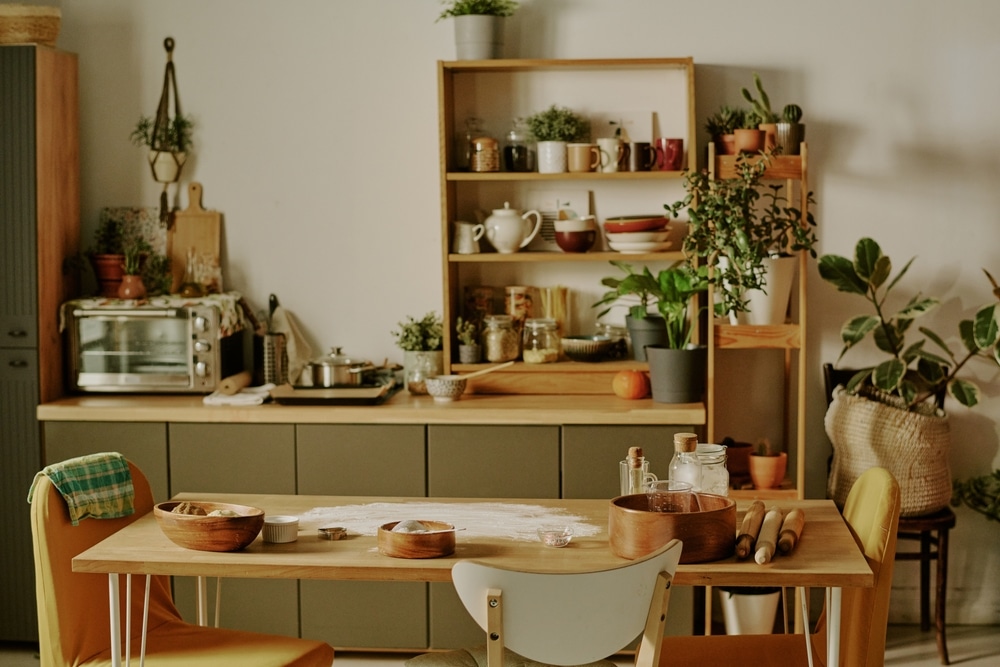
The day begins in a bedroom where surfaces are mostly clear. Getting dressed feels intuitive as items are stored logically. In the morning, the kitchen fosters a peaceful routine because tools and ingredients are easily reachable. During the afternoon, a living area encourages focused work without distractions. Unused items are stored out of sight, maintaining visual simplicity. In the evening, the same space effortlessly transitions into a rest area without requiring significant cleanup. The home naturally accommodates various parts of the day, minimizing additional tasks and tension.
Peaceful spaces reduce the effort necessary to transition between activities. When rooms flow seamlessly, transitions feel effortless. Ultimately, these spaces promote a more gradual pace, improved focus, and better rest. Calm becomes a built-in aspect of daily life rather than an elusive state requiring constant effort.
Organizing for Mental Clarity
To support wellness at home, organizing with mental clarity as a priority is essential. Instead of focusing merely on aesthetics, organization should simplify decision-making and lessen visual clutter. When the mind can relax without constantly sorting or searching, stress levels decrease naturally. Mental clarity arises from straightforward systems that are easy to understand and maintain.
Conceal excess items from daily view
Not everything needs to be visible or readily available every day. Occasionally used items can subtly hinder focus when left in sight. Storing additional belongings away from living areas creates a lighter, calmer ambiance. Utilizing options like Edinger Ave storage NSA Storage allows for meaningful items to be safeguarded while freeing the home from distractions. This separation fosters clearer thinking without the burden of making difficult choices about what to keep.
Cultivate trust in your organizational systems
Mental clarity improves with a reliable organizational framework. Knowing where items are located and how to retrieve them diminishes underlying anxiety. Simple, consistent systems typically outperform complicated arrangements.
Developing Healthy Home Routines
Healthy habits flourish more easily in organized environments. When a home actively supports daily routines, wellness becomes ingrained rather than an additional chore.
Design rooms to align with habits
Spaces should reflect their intended functions. When storage aligns with routines, maintaining healthy habits feels more manageable.
Practically speaking:
Homes that reset key areas each evening enjoy smoother mornings. Small daily resets prevent clutter from accumulating.
Prioritize consistency over perfection
Achieving wellness does not demand perfect order; it requires a dependable structure. When thoughtful organization promotes consistency, the home becomes a steady foundation for both physical and emotional health.
Sustaining Balance Over Time
Wellness in the home isn’t a one-time accomplishment; it requires ongoing adjustment. As routines evolve and lives change, organizational systems must adapt to continue supporting wellness. Regularly reassessing how spaces function and making minor updates before clutter or stress emerges keeps the home aligned with current needs rather than outdated habits.
Regularly review systems
Organization should grow and shift alongside daily life. Storage solutions that worked last year might not suffice for new routines or priorities. A brief review every few months can help identify what feels burdensome or unnecessary. Making adjustments early prevents overwhelm and keeps spaces calm and purposeful.
Maintain simplicity as circumstances evolve
As new possessions enter the home, balance relies on letting go of or moving some items out of everyday view. Without this practice, even effective systems become strained. Safeguarding simplicity helps preserve clarity and comfort.
Frequently asked questions:
Some inquire about how often they should assess their organization: typically, every three to six months is sufficient. Others wonder if changing things too frequently is counterproductive; small updates help keep equilibrium, preventing substantial disruptions down the line. Additionally, balance does not equate to minimalism; it is subjective. The goal is ease rather than rigidity. One of the greatest challenges regarding progress is finding time. By maintaining balance, you can save time by reducing everyday friction. These reflections illustrate that the key to long-term health lies in small adjustments, rather than drastic shifts that lead to anxiety.
Integrating Wellness into Daily Life
Wellness is cultivated through repeated, intentional choices that nurture both body and mind. When the home environment is organized purposefully, it promotes relaxation, focus, and smoother movement throughout the day. Organizational choices subtly shape mood, energy, and habits more profoundly than we often realize.
Take a moment to assess how your space either supports or hinders your daily routines. Minor changes can restore calm and clarity. Inviting wellness into your home through smarter organization focuses on creating an environment that aligns with your lifestyle. When your home fosters well-being, wellness becomes an integral part of everyday existence rather than a pursuit to chase.