



















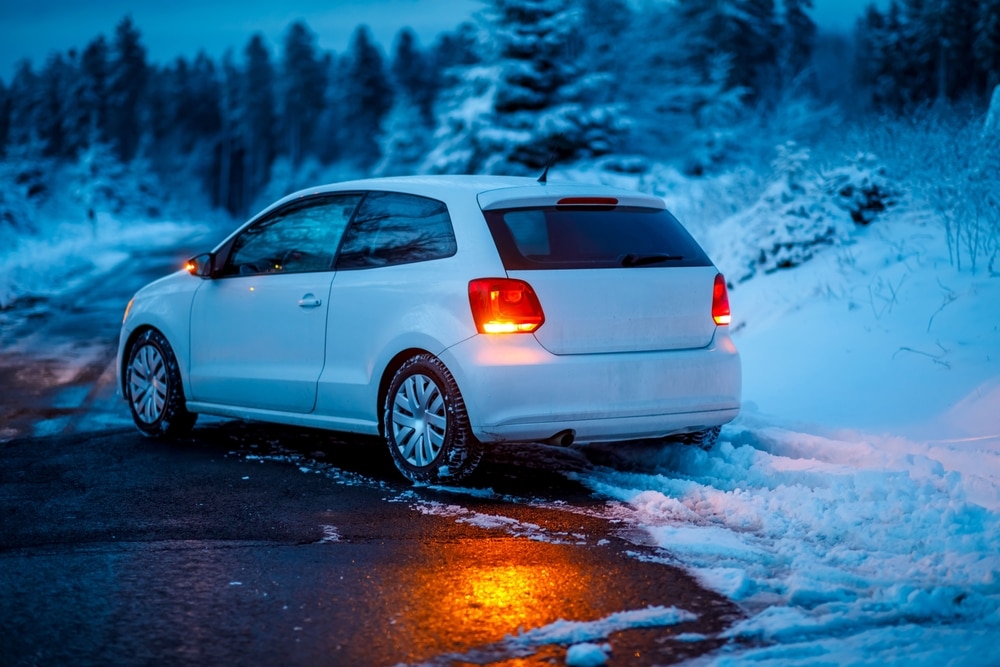
Winter transforms our surroundings into a breathtaking landscape, yet it poses serious challenges for drivers. From slick ice to heavy snow, every winter drive can test your skills behind the wheel.
To ensure the safety of everyone in your vehicle, you must be well-prepared for whatever conditions winter brings. Follow these essential steps to navigate the season with confidence.
Step 1: Perform Preventive Vehicle Maintenance
Just as a runner wouldn’t undertake a marathon without the right gear, you shouldn’t hit the road in winter without ensuring your vehicle is in optimal condition. Here are some critical maintenance tips to prepare your car for winter conditions.
Maximize Your Visibility
Winter can obscure visibility due to snow accumulating on your windshield or the long nights. To enhance your visibility:
- Check that your headlights, taillights, and brake lights are clean and fully operational.
- Confirm that your high beams can illuminate up to 350 feet and low beams at least 200 feet ahead.
- Replace your wiper blades and fill the washer fluid reservoir with a winter-grade fluid that will not freeze.
- Remove snow or ice from your entire vehicle to prevent it from blowing off and obstructing other drivers’ views.
Test Your Battery and Electrical System
Cold temperatures can significantly impact your car battery’s performance, diminishing its power when you need it most.
Have your battery professionally tested to ensure it’s functioning well and can hold a charge. It’s also wise to take longer drives—at least 30 minutes weekly—to fully recharge it. Before starting, switch off the headlights, heater, and radio to minimize strain on the battery.
Check Your Tires for Strong Grip
Before setting out, confirm the following:
- Tread Depth: If a penny placed upside down into a tread groove shows Lincoln’s entire head, it’s time to replace your tires with ones that have deeper treads.
- Tire Pressure: Cold weather can lead to lower tire pressure. Ensure your tires meet the recommended PSI indicated on the sticker inside the driver’s door.
- Tire Suitability: Consider switching to winter tires, which provide better traction on snowy and icy roads.
Inspect Your Brakes for Reliable Control
Efficient braking is vital on icy roads where traction can be scarce. Regularly check your brake fluid levels and schedule routine inspections. Before embarking on longer trips, test your brakes in familiar areas. Be vigilant for warning signs, such as scraping or squealing sounds, a spongy brake pedal, and uneven wear on brake pads.
Step 2: Prioritize Your Wellness and Focus
Fatigue plays a role in a significant number of vehicle crashes, particularly during winter when shorter days can disrupt sleep patterns. Be attentive to signs of drowsiness, such as heavy eyelids or drifting from your lane, and pull over safely to rest if needed.
Before driving, set your GPS and silence your phone. Maintain constant awareness of the road, looking out for hazards like black ice and the brake lights of other vehicles.
Step 3: Master Winter Driving Techniques
Weather-related accidents on icy and snowy roads are alarmingly common. To avoid contributing to these statistics, adjust your driving techniques accordingly:
- Drive slowly and attentively.
- Increase your following distance from three to four seconds up to eight to ten seconds.
- Gently press the gas pedal to avoid skidding.
- Begin braking well before you encounter a stop.
- Focus on where you want to go and steer smoothly.
- Make gradual turns with deliberate hand movements.
- Stay cautious even in well-lit conditions, as they can create a false sense of security.
Step 4: Prepare an Emergency Kit
An emergency kit in your vehicle can provide crucial assistance if you encounter unexpected situations. Stock your kit with these essentials:
- A strong ice scraper and snowbrush
- A shovel for digging out of snow
- Sand or cat litter for traction under spinning wheels
- Jumper cables
- Flashlights and extra batteries
- Road flares or reflective triangles
- Warm blankets and extra hats, gloves, and socks
- A power bank for electronics
- High-energy, non-perishable snacks
- Bottled water
Drive Safely This Winter
With a well-maintained vehicle, a focused mindset, mindful driving techniques, and a stocked emergency kit, you set yourself up for safe winter driving. These measures help ensure not only your safety but also that of others on the road.