


















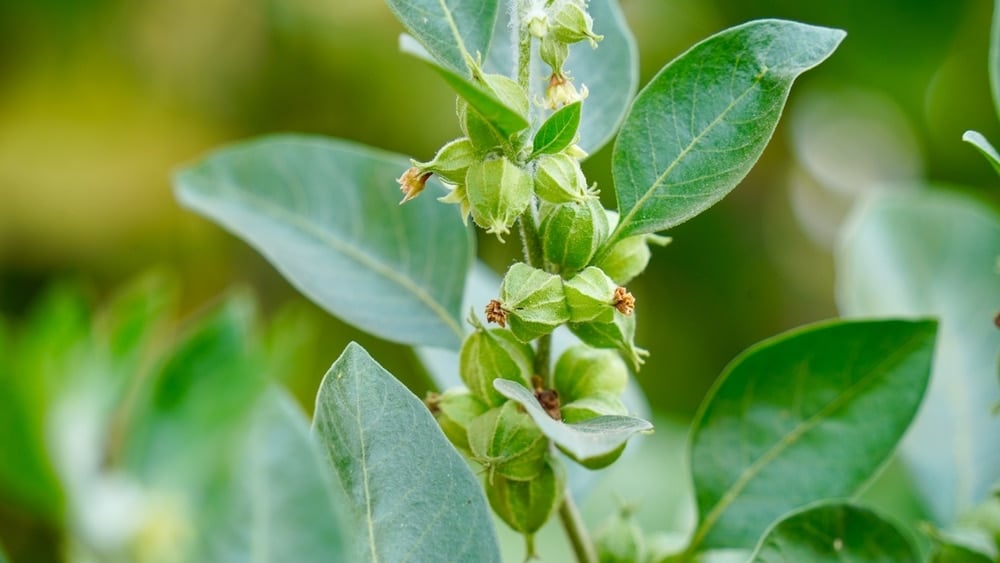
Ashwagandha leaf extract comes from the Withania somnifera plant and has gained attention for its wide-ranging health benefits. While you may have seen this supplement in capsule form at health food stores, the pronunciation might leave you uncertain about its advantages.
This ancient herb is a staple in the wellness routines of many individuals for good reason. M&F dives into the exciting research surrounding this intriguing plant.
Ashwagandha, often referred to as ‘Indian Ginseng,’ has a history that spans over 3,000 years. In our modern world, studies are revealing that some historically used herbs have significant benefits. Recognized as an adaptogen in conventional medicine, ashwagandha may support the body’s rejuvenation process. Despite numerous exaggerated claims promoted by marketers in the supplement industry, here are five substantiated benefits of ashwagandha.
Improved Sleep Quality (and Quantity)
A systematic review showed that individuals taking ashwagandha, with doses ranging from 120mg to 600mg per day, experienced faster onset of sleep, fewer nighttime awakenings, and enhanced sleep quality. This suggests they felt more refreshed and ready for the day ahead. Research highlights that ashwagandha influences GABA receptors in the brain, indicating why it may effectively promote better sleep. It’s worth noting that most studies have primarily involved healthy individuals, and research is ongoing to assess its suitability for those dealing with insomnia.
Ashwagandha Contains Anti-Stress and Anxiety Compounds
The active compounds in ashwagandha, known as ‘withanolides,’ are linked to improvements in mental well-being. A number of reviews indicate that ashwagandha (Withania somnifera) has demonstrated significant anti-stress and anti-anxiety properties in both animal and human research. Additionally, findings suggest it may help mitigate depression symptoms, as it appears to modulate pathways in the brain that contribute to improved mental health.
Increased Testosterone and Sex Hormone Levels
A 2015 study revealed that men who took 300mg of ashwagandha root twice daily exhibited an increase in testosterone by an average of 96.2 nanograms per deciliter, a significant difference compared to the placebo group. Further findings involving infertile men showed that daily intake of 5g of ashwagandha root powder over three months resulted in elevated levels of sex hormones, such as luteinizing hormone, along with increased sperm counts. Numerous studies consistently support ashwagandha’s potential to boost testosterone levels and enhance fertility. Additionally, 600 mg daily for 12 weeks was associated with 1.7 times greater muscle strength and 2.3 times increased muscle mass.
Reduced Inflammation
Research indicates that one of ashwagandha’s benefits includes anti-arthritic and pain-relieving properties. In studies with both animals and humans, those who supplemented with ashwagandha reported decreased inflammation, slower joint deterioration, reduced pain, and improved mobility. Although this area of research is still developing, findings provide promising insights for future treatments, particularly for individuals suffering from osteoarthritis.
Ashwagandha Isn’t a Fad Product
Unlike many supplements that lack substantial scientific backing, ashwagandha is emerging as a reliable compound with potential benefits for both body and mind. Before making any significant dietary changes, consulting a healthcare professional is always wise. For most individuals, 500 mg per day appears to be a well-tolerated upper limit, though personal health profiles may vary. Thorough research on how supplements interact with existing medications is crucial, but don’t overlook the advantages a time-tested compound like ashwagandha can offer in your wellness journey.