




















Eye Movement Desensitization and Reprocessing (EMDR) has emerged as a prominent method in trauma therapy. Understanding its mechanisms and effectiveness is crucial for anyone considering this treatment. This article delves into the science of EMDR, outlining its procedural elements while highlighting reasons for its success. With these insights, individuals can feel more empowered in making informed choices about their mental health.
Understanding EMDR Trauma Treatment
EMDR comprises eight distinct phases, each designed to facilitate the healing process from trauma. Guided by trained therapists, individuals are taken through a structured framework. Central to this process is the recounting of personal narratives during the initial phases of history-taking and treatment planning. The preparation stage fosters a trusting relationship, allowing clients to practice relaxation techniques within their comfort zone, termed the window of tolerance.
How EMDR Works
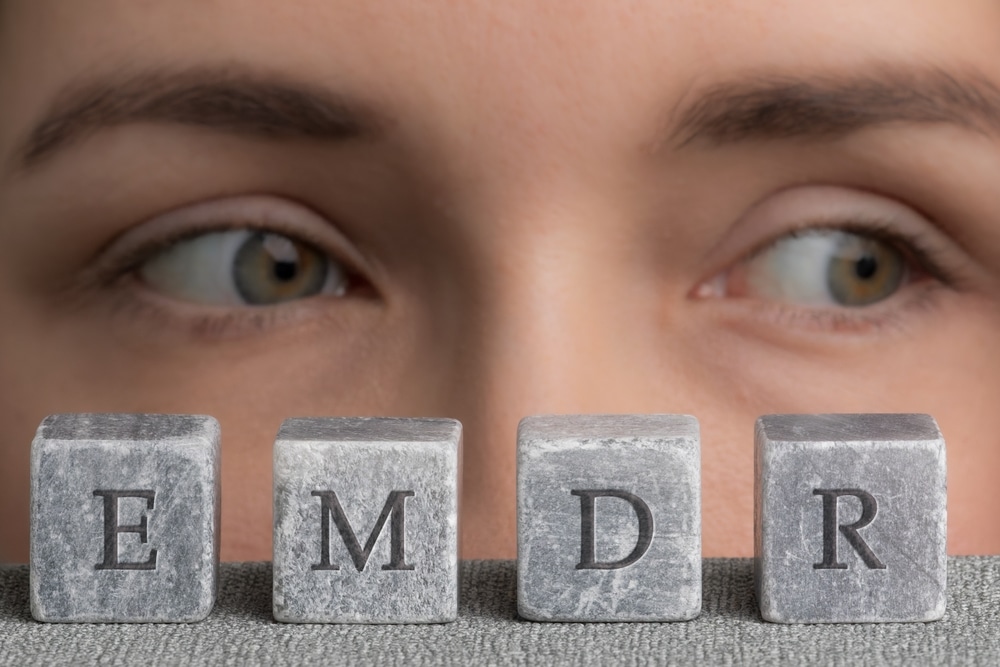
During EMDR sessions, clients are encouraged to recall troubling memories as they engage in bilateral stimulation, commonly through side-to-side eye movements. Some therapists may use sounds or taps instead. This technique engages both hemispheres of the brain, facilitating a more efficient processing of the trauma. As sessions progress, clients often experience decreased emotional distress linked to these memories.
Scientific Theories Behind EMDR
Numerous theories attempt to explain the efficacy of EMDR. One theory focuses on the brain’s method of storing memories. Some traumatic events remain unprocessed, leading to ongoing emotional distress. Bilateral stimulation aids in reprocessing these memories, allowing for healthier integration. Another theory suggests that the combination of retrieving memories and eye movement reduces the emotional intensity associated with traumatic images.
Supporting Research And Evidence
EMDR has undergone extensive scientific scrutiny regarding its effectiveness. Research indicates that this method alleviates symptoms associated with post-traumatic stress, anxiety, and depression. In randomized controlled trials, those receiving EMDR frequently show significant improvement compared to participants undergoing other therapeutic approaches. Such findings suggest that EMDR could serve as a valuable strategy in resolving trauma-related issues.
Comparing EMDR To Other Trauma Treatments
Cognitive behavioral therapy (CBT) and EMDR stand out as two prominent approaches to trauma. While both aim to help individuals process distressing experiences, EMDR distinguishes itself through its use of bilateral stimulation. Comparisons reveal that both modalities achieve similar rates of symptom reduction, although EMDR often accomplishes this in fewer sessions.
Success Rate And Client Outcomes
The success rates of EMDR are encouraging. Studies reveal that a substantial majority—approximately 70-80%—experience a decline in post-traumatic stress symptoms after therapy. Remarkably, these improvements often endure for months, or even years, following the conclusion of treatment, highlighting the potential long-term benefits of this approach.
Potential Challenges And Considerations
While EMDR has proven advantageous for many, it may not suit everyone’s needs. Some individuals might find greater comfort with additional techniques. An individualized assessment remains crucial; therapists should only proceed with EMDR when clients express readiness. A strong professional-client relationship built on open communication and trust significantly enhances the likelihood of successful outcomes.
Is EMDR Right For Everyone?
Although EMDR may not be appropriate for all individuals, many can benefit from it. This therapy can be effective for children and adults who have faced one or several traumatic experiences. Nevertheless, individuals with specific mental health conditions or complex trauma histories require thorough evaluation. Consulting with a qualified therapist can clarify whether EMDR aligns with personal needs and treatment goals.
A Final Thought
EMDR trauma treatment combines structured methodologies with bilateral stimulation to aid individuals in reconciling distressing memories. Substantial scientific evidence supports its effectiveness, with numerous clients achieving significant improvements in their mental health. While not a universal solution, EMDR offers hope and healing for many navigating the aftermath of trauma. With the expertise of qualified professionals, this method may pave the way for meaningful recovery.