
















For those who invest in supplements, it’s not just about financial commitment; it’s about prioritizing your health. Maintaining an effective supplement regimen requires diligence, including knowing how to store them correctly, whether at home or on the go. Ensuring your supplements last as long as possible and remain fresh is essential to reaping their maximum benefits.
Improper storage can lead to ineffective or spoiled supplements. Nobody wants to waste money due to avoidable mishaps. To help you get the most out of your investments, Ryan Gebo, RD, LDN, owner of Life Force Nutrition, shares crucial tips based on 15 years of experience in the field. Whether you’re using powders or pills, following these storage guidelines will keep your supplements potent and beneficial.
Understanding the Risks of Improper Storage
Think about how you wouldn’t leave milk on the kitchen counter. The same careful consideration applies to where you store your supplements.
“Storing supplements properly is crucial,” explains Gebo. Neglecting this aspect can lead to:
Decreased Effectiveness and Potency
For instance, vitamin D3 (cholecalciferol) deteriorates quickly when exposed to sunlight, resulting in less bioavailable and biologically active forms.
Bacterial Growth or Mold
Certain supplements might contain ingredients that promote bacterial and mold growth if stored incorrectly. This growth necessitates specific conditions like food sources, a controlled acidity level, appropriate temperatures, oxygen, and higher moisture levels.
Textural Changes and Physical Deterioration
This commonly affects powders or gels, causing clumping or complete drying out.
Spoilage and Rancidity
Oil-based supplements are particularly vulnerable to spoilage.
The Proper Way to Store Your Supplements
Gebo outlines the optimal storage methods to keep your supplements fresh, effective, and beneficial.
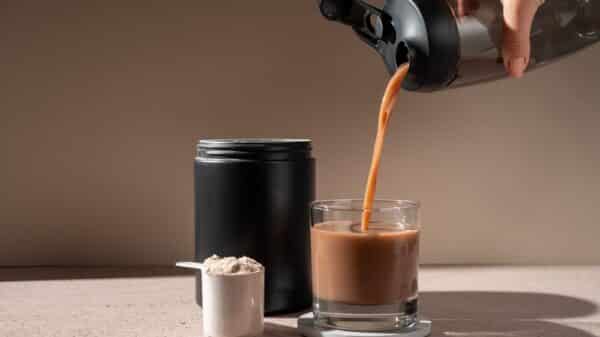
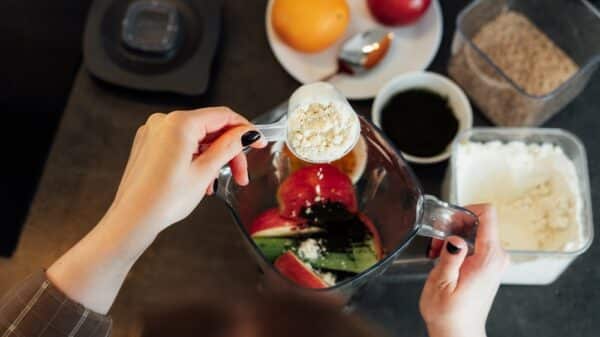
Powders (Protein, Amino Acids, Greens)
Store in a cool, dry place. Aim for temperatures between 60°F and 78°F. Low humidity prevents clumping and the growth of bacteria or mold. Always keep the lid closed tightly, and don’t remove drying agents that help counteract excess moisture.
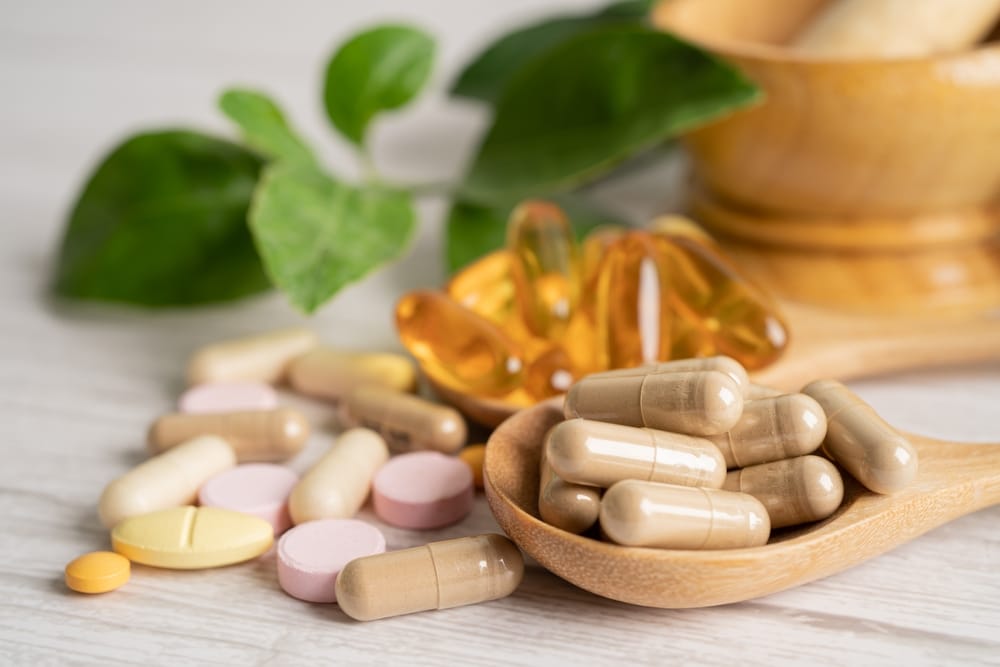
Pills (Vitamins, Minerals, Herbs)
Store in a cool, dry, and light-controlled environment, like a kitchen cabinet. Maintain a temperature between 65°F and 78°F and avoid excessive humidity. Don’t store supplements in areas prone to moisture, like bathrooms.
Pre-made Nutritional and Protein Shakes
Refrigerate immediately after opening. Many health shakes can be kept at room temperature until opened, but afterwards they should be chilled between 33°F and 40°F. Keep caps closed tightly and monitor expiration dates closely.
Gels
Store them in dry, cool places away from light, ideally in a kitchen cabinet at room temperature. Note that gel packs are often single-use and do not retain their quality once opened.
Electrolytes
Like other supplements, keep in a cool, dry place at temperatures ideally between 60°F and 78°F. Low humidity is crucial to prevent clumping. If they come in resealable containers, ensure they are closed tightly to prevent moisture exposure.
Additional Tips for Storing Supplements
Regularly check expiration dates, as supplements can lose potency over time. To maintain effectiveness, consume within their use-by window. The more whole-food-like the product, the more crucial it is to adhere to specific storage recommendations on the label.
Avoid storing supplements in locations with unpredictable temperatures, such as cars or near kitchen appliances.
Humidity can fluctuate significantly in places like basements, bathrooms, and sink areas, making these unsuitable for storage.
Light exposure is another often-overlooked factor. Several vitamins can degrade in potency or develop harmful byproducts when exposed to light. While pill organizers offer convenience, they often don’t provide adequate protection against moisture or light exposure.
Keep supplements in their original containers to prevent confusion regarding their type or expiration dates. Removing them can lead to inappropriate dosing or accessibility challenges, especially around children.
Some powders may have hidden scoops; always extract them with a clean, dry utensil to avoid contamination.