












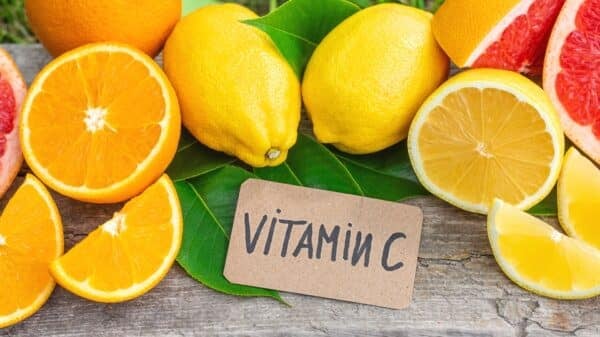



Vitamin C is often a go-to during the cold months, as many people rely on it to bolster their immune defense. If you choose to supplement with vitamin C, it is vital to understand how certain other supplements could impact its effectiveness.
1. Vitamin B12
Some studies indicate that high doses of vitamin C might lower levels of vitamin B12. Yet, more recent research suggests that the interaction is not as detrimental as once thought when taken concurrently.
While it’s not strictly necessary, healthcare professionals often advise spacing out vitamin C and B12 supplements. Giving them a few hours apart might help enhance their individual absorption.
2. Copper Supplements
Copper is a crucial mineral that your body needs for red blood cell production, connective tissue formation, and energy conversion.
If you’re using copper supplements for immunological or neurological support, or even for managing iron levels, consider avoiding simultaneous intake with vitamin C.
Some animal studies indicate that vitamin C can interact unfavorably with copper ions, potentially leading to increased oxidative stress. At high levels, this might harm significant organs such as the kidneys.
Moreover, some manufacturers of dietary supplements warn that vitamin C may chelate copper, which could hinder its absorption. To maximize benefits while minimizing risk, consider separating these supplements over several hours.
3. Aluminum (Ingredient)
While aluminum isn’t a dietary supplement, it is often an ingredient in over-the-counter medications for indigestion or acid reflux.
Vitamin C may enhance aluminum absorption from these medications, possibly raising the risk of excess exposure. Elevated aluminum levels can adversely affect kidney health and may be linked to other health issues. If you are taking vitamin C with an aluminum-based antacid, consider taking them at different times.
Does Dairy Interfere With Vitamin C?
Dairy products can complicate things if you are taking vitamin C specifically for enhanced iron absorption, as calcium may limit iron’s efficacy. However, if you’re consuming vitamin C for its own health benefits, there’s generally no need to worry about pairing it with dairy or other calcium-rich foods.